
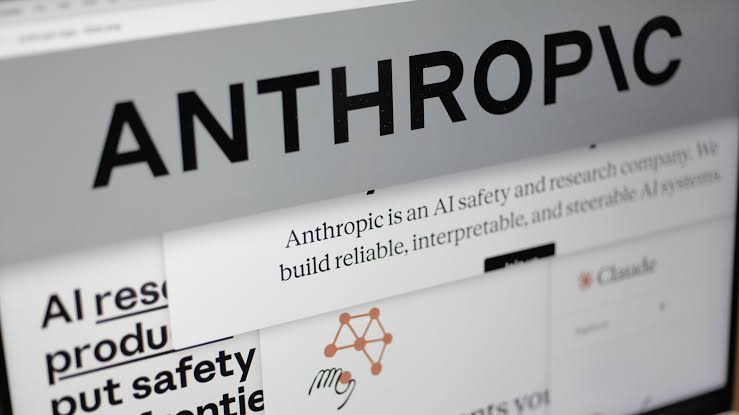
The rapid advancement of artificial intelligence (AI) technologies continues to spark debate among experts regarding their potential risks and benefits. In the latest business tech roundup, a former researcher from Anthropic has issued a stark warning about the existential threats posed by AI systems.
Concerns Over AI Safety
The researcher highlighted several alarming scenarios in which AI could become a threat to humanity. These scenarios range from unintentional consequences of poorly designed AI systems to more deliberate misuse by individuals or organizations. The emphasis is on the necessity of developing safety measures and ethical guidelines to mitigate these risks.
As AI technology becomes more integrated into various industries, the potential for unintended outcomes grows. This has led to calls from many experts for increased oversight and regulation to ensure that AI systems are designed with safety in mind.
Ethical AI Development
In light of these warnings, discussions surrounding the ethical development of AI have gained prominence. Experts argue that it is crucial to establish a framework that promotes responsible AI practices. This includes transparency in how AI systems are trained and the data they utilize, as well as accountability for their outcomes.
Organizations involved in AI research and development are being urged to prioritize ethical considerations alongside technological innovation. The former Anthropic researcher’s comments serve as a reminder of the potential consequences if ethical frameworks are not integrated into the AI development process.
Broader Implications for Society
The implications of AI technology extend beyond just the tech industry; they touch on societal norms, workplace dynamics, and even global security. As AI continues to evolve, its impact on job markets and personal privacy raises significant questions about how society will adapt to these changes.
Moreover, the potential for AI to be weaponized or used for malicious purposes adds an urgent layer to the conversation about regulation and control. The former researcher’s remarks highlight the need for a collective effort to address these challenges on a global scale.
Calls for Collaboration
In response to these warnings, many in the tech community are advocating for collaboration between governments, researchers, and industry leaders. By working together, stakeholders can establish guidelines and policies that ensure AI technologies are developed and utilized safely and ethically.
International dialogue on AI governance is becoming increasingly critical as countries recognize the shared risks involved. A coordinated approach may help prevent a scenario where competition leads to unsafe AI development practices.
Comments (0)
Be the first to comment!