
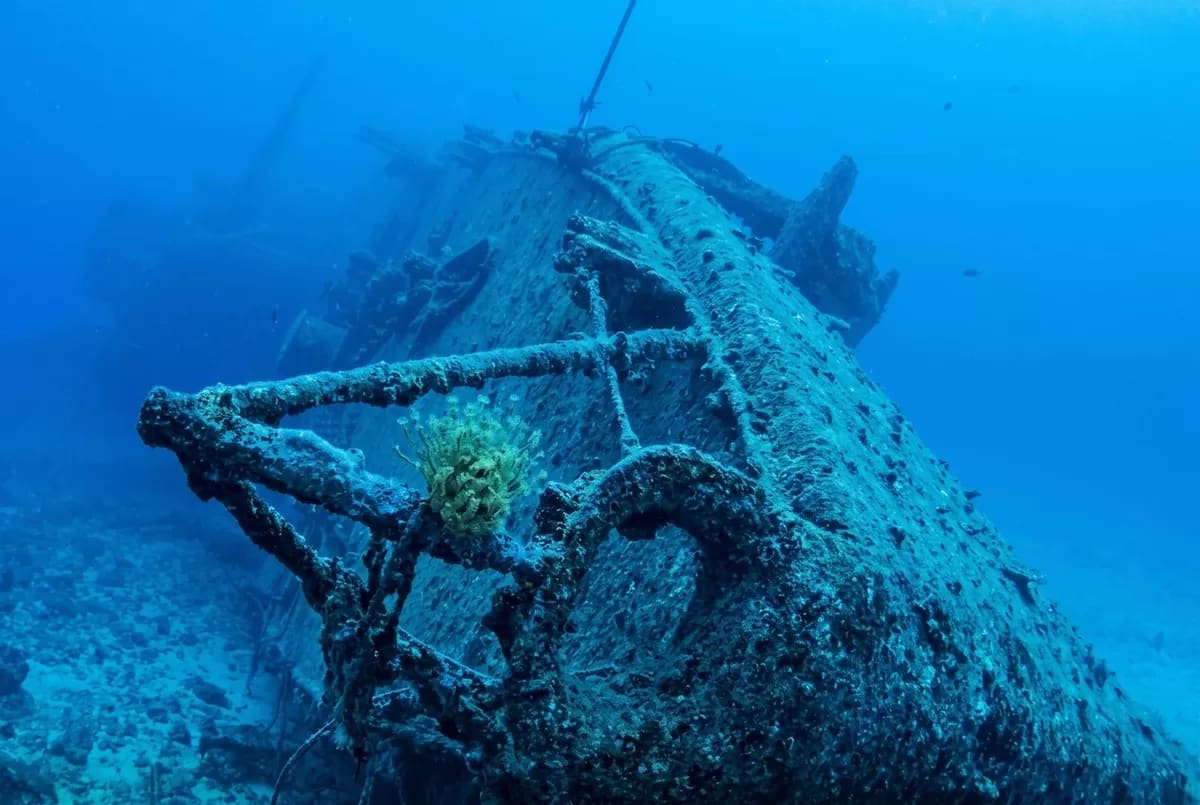
In a remarkable archaeological find, researchers have uncovered what is believed to be the world’s oldest shipwreck off the coast of Turkey. This significant discovery includes pottery that is estimated to be around 4,700 years old, providing valuable insights into ancient maritime trade and cultural practices.
Discovery Location and Context
The shipwreck was located in the Aegean Sea, near the coast of Turkey. The area is rich in history, having been a crucial maritime route during ancient times. The findings come as part of an ongoing excavation project aimed at exploring the region’s underwater heritage.
Significance of the Pottery
The pottery recovered from the shipwreck is particularly noteworthy. Archaeologists believe it aligns with the design and production techniques of ancient civilizations known to inhabit the region. This pottery not only serves as a timeline marker but also sheds light on the trade networks that existed thousands of years ago.
Historical Insights and Implications
The artifacts found in the shipwreck are expected to provide a deeper understanding of the economic and cultural exchanges that took place in the ancient world. Studies of these artifacts can reveal information about the materials that were traded, the technologies used in shipbuilding, and the daily lives of those who traveled on these vessels.
Experts suggest that the shipwreck is a crucial piece of the puzzle in understanding the evolution of maritime activities in the Aegean region. It highlights the sophistication of ancient societies and their ability to navigate and utilize the sea for trade and communication.
Archaeological Methodology
Excavation of the site is being conducted using advanced underwater archaeology techniques. Researchers are employing sophisticated imaging technology and careful excavation methods to ensure that the artifacts are preserved for future study. This meticulous approach is essential given the age of the shipwreck and the fragile nature of the artifacts.
Future Research and Preservation Efforts
Plans are underway to further investigate the shipwreck and its contents. Archaeologists aim to conduct detailed analyses of the pottery and other artifacts to better understand their origins and uses. Additionally, efforts will be made to develop strategies for preserving the site and the items found there.
Preserving such archaeological sites is vital not only for academic study but also for cultural heritage. These artifacts form a part of humanity's shared history and can offer important lessons about past societies and their interactions.
Global Interest in Underwater Archaeology
The discovery of the oldest shipwreck is likely to spark increased interest in underwater archaeology globally. As technology advances, more sites are being explored, revealing hidden narratives about our past. This shipwreck serves as a reminder of the untapped potential of our oceans, where countless stories await discovery.
In conclusion, the uncovering of the world’s oldest shipwreck off the coast of Turkey is a significant archaeological milestone. With its ancient pottery and historical implications, this discovery not only enriches our understanding of maritime history but also emphasizes the importance of preserving our underwater heritage for future generations.
Comments (0)
Be the first to comment!