
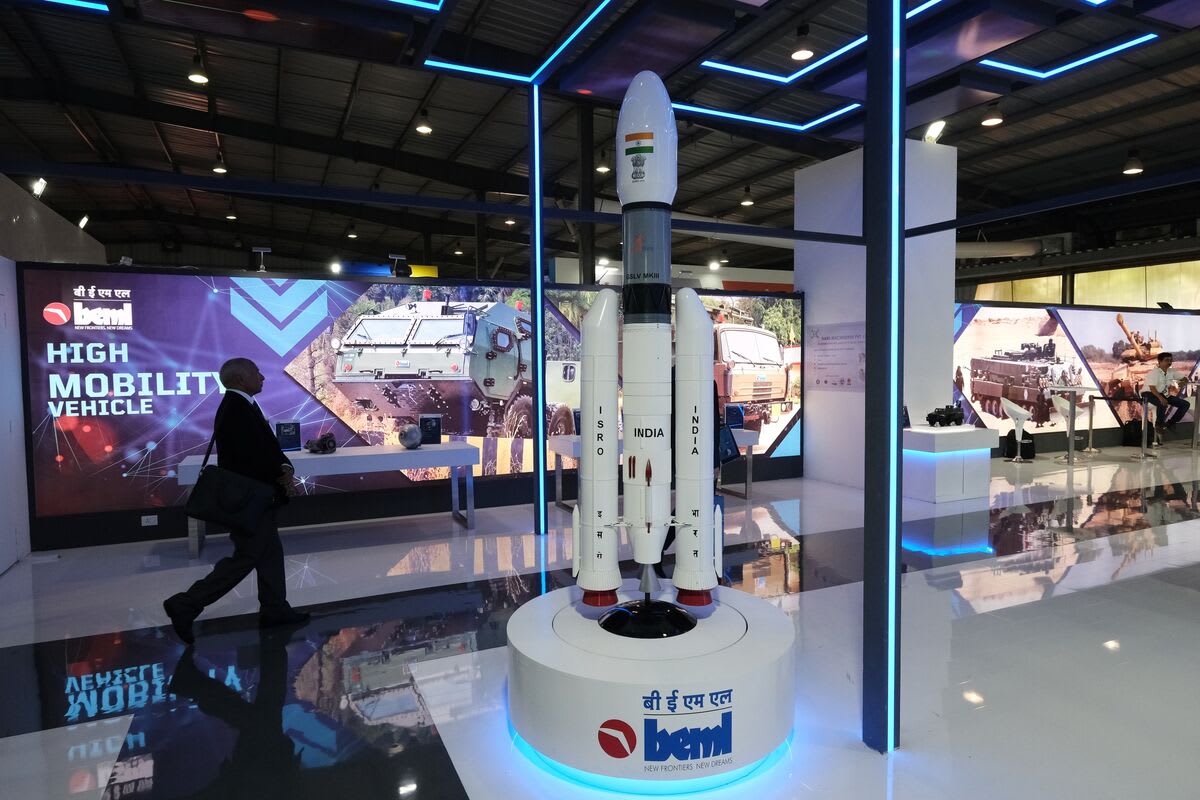
India's public sector enterprise, Bharat Earth Movers Limited (BEML), has announced plans to manufacture tunneling machines domestically, a strategic move aimed at reducing the country's reliance on Chinese imports. This initiative aligns with the Indian government's broader objective of enhancing self-reliance in critical sectors, particularly in infrastructure development.
Background on BEML
Established in 1964, BEML has played a significant role in the manufacturing of heavy equipment, particularly for the defense, mining, and construction sectors. The company has been a key player in the Indian market, providing technologically advanced products and services. With the recent push for 'Make in India,' BEML's decision to produce tunneling machines marks a significant shift towards local manufacturing and technological independence.
Strategic Importance of Tunneling Machines
Tunneling machines are essential for various infrastructure projects, including metro rail systems, highways, and underground utilities. These machines facilitate excavation and construction in challenging environments, significantly reducing the time and cost associated with such projects. By producing these machines locally, India aims to improve its infrastructure development capabilities while also creating jobs and boosting the economy.
Reducing Dependence on Imports
India has historically relied on imports for advanced machinery, particularly from China, which has dominated the tunneling equipment market. This dependency has raised concerns regarding national security, supply chain vulnerabilities, and the impact of international relations on infrastructure projects. By investing in domestic production, BEML aims to mitigate these risks and ensure a steady supply of essential machinery.
Government Support and Policy Framework
The Indian government has been actively promoting policies to foster domestic manufacturing, particularly in sectors deemed crucial for national development. Initiatives like 'Make in India' and 'Atmanirbhar Bharat' have emphasized the need for self-sufficiency and innovation. BEML's new venture is likely to receive support through various government schemes aimed at bolstering manufacturing capabilities.
Potential Economic Impact
Local manufacturing of tunneling machines is expected to have several positive implications for the Indian economy. It will likely lead to job creation in engineering, manufacturing, and maintenance sectors. Additionally, it can stimulate local suppliers and ancillary industries, contributing to overall economic growth. The initiative could also attract foreign investment, as international companies may see opportunities in India's burgeoning manufacturing landscape.
Challenges Ahead
While the move to manufacture tunneling machines domestically is promising, BEML may face several challenges. These include establishing a robust supply chain, acquiring advanced technology, and competing with established international players. The company will need to invest in research and development to innovate and improve the quality of its products, ensuring they meet global standards.
Comments (0)
Be the first to comment!