
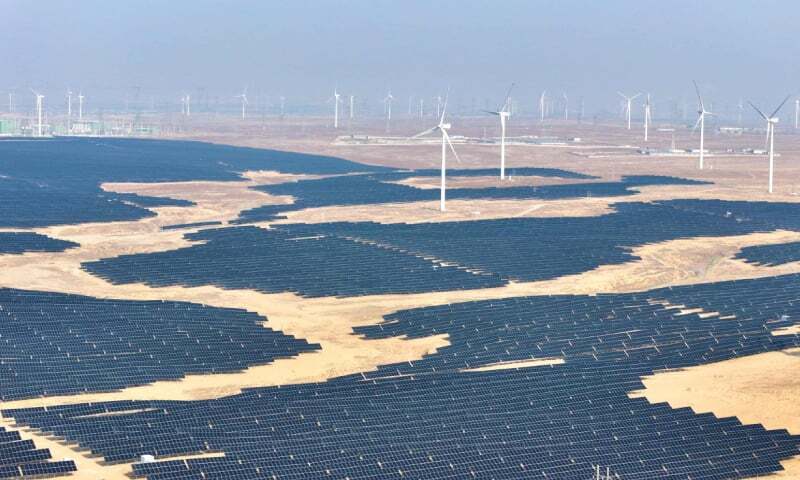
In recent years, China has emerged as a global powerhouse in clean technology, playing a pivotal role in the international fight against climate change. With substantial investments and innovations, the country is not only transforming its own energy landscape but also influencing global trends in sustainability and renewable energy.
China's Investment in Clean Technology
China's government has committed significant resources to develop clean technologies, recognizing the dual need to combat pollution and meet rising energy demands. The country has become a leader in the production of solar panels, wind turbines, and electric vehicles (EVs), accounting for a large share of the world's clean energy technologies. This strategic focus is supported by policies aimed at reducing carbon emissions and promoting sustainable development.
Solar and Wind Energy Dominance
China is the largest producer of solar panels globally, dominating about 70% of the market. The rapid expansion of solar power projects across the country has made it a key player in the renewable energy sector. Wind energy is also a significant focus, with China leading in both onshore and offshore wind installations. These advancements not only contribute to domestic energy security but also position China as a critical supplier to other countries looking to enhance their renewable energy capabilities.
Electric Vehicles and Green Mobility
The transition to electric vehicles is another area where China is making substantial strides. The government has implemented policies encouraging EV adoption, including subsidies for manufacturers and consumers. As a result, China has the largest market for electric vehicles in the world, with numerous domestic companies emerging as significant players in the sector. This shift towards green mobility is expected to reduce urban air pollution and reliance on fossil fuels.
Global Influence and Exporting Technology
China's advancements in clean technology are not confined to its borders; the country is increasingly exporting its expertise and products to other nations. Developing countries, in particular, are looking to China for affordable clean energy solutions. Through initiatives like the Belt and Road Initiative (BRI), China is facilitating the transfer of clean technology and infrastructure to partner nations, thereby amplifying its influence in the global climate arena.
Challenges and Criticisms
Despite its progress, China's clean-tech expansion faces challenges. Environmentalists have raised concerns about the ecological impact of raw material extraction needed for renewable technologies, particularly lithium and rare earth minerals. Moreover, while China is making strides in clean energy, it continues to be the world’s largest emitter of carbon dioxide, raising questions about the sustainability of its growth model.
Future Prospects
The trajectory of China’s clean technology sector suggests that it will continue to be a significant driver of global climate action. As other nations grapple with their own energy transitions, China's role as a leader in renewable energy technology will likely grow, influencing international standards and practices. Collaborative efforts between countries will be essential to address the global climate crisis effectively.
Comments (0)
Be the first to comment!