
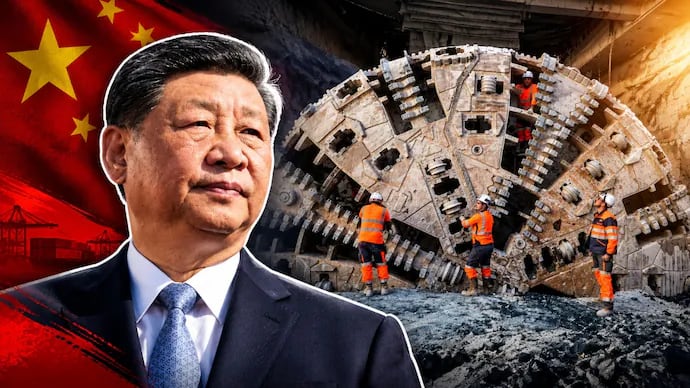
As the trade dynamics between China and India continue to evolve, the introduction of China's latest 5,000-ton digging machines poses a potential challenge for India. These machines, which are designed for large-scale infrastructure projects, may disrupt the competitive landscape in the construction and mining sectors.
The Rise of Heavy Machinery in China
China has made significant advancements in heavy machinery manufacturing, becoming a global leader in this sector. The recent development of 5,000-ton digging machines showcases China's engineering capabilities and its aim to dominate high-capacity excavation equipment. This move not only reflects China's manufacturing prowess but also its strategic intent to expand its influence in the global machinery market.
Implications for India's Construction Sector
India, which has been relying on both domestic and imported machinery for its infrastructure projects, may find itself at a disadvantage as China introduces these advanced machines. The potential for lower costs and higher efficiency may entice Indian companies to consider Chinese machinery over local alternatives. This shift could lead to increased competition and pressure on Indian manufacturers.
Trade Relations and Geopolitical Tensions
The introduction of these machines comes at a time when trade relations between China and India are already strained. Both nations have been engaged in a series of trade negotiations aimed at balancing their economic interests. However, the presence of advanced Chinese machinery in the Indian market could exacerbate existing tensions, leading to potential backlash from Indian businesses and policymakers.
Challenges for Indian Manufacturers
Indian manufacturers may face several challenges in competing with Chinese machinery. The advanced technology and lower production costs associated with Chinese products can make it difficult for Indian companies to maintain their market share. Furthermore, Indian manufacturers might need to invest significantly in upgrading their own technology to keep pace with the advancements offered by Chinese competitors.
The Path Forward
In response to the rising threat from Chinese machinery, Indian businesses and government officials are likely to explore various strategies. These may include:
Enhancing local manufacturing capabilities through investment in technology.
Implementing protective trade measures to support domestic industries.
Promoting collaboration between the government and manufacturers to bolster competitive advantages.
The government may also consider reviewing trade policies to ensure that Indian manufacturers can compete effectively against foreign entrants.
Inference
The arrival of China's 5,000-ton digging machines represents a significant development in the global machinery market, with potential implications for India's construction and mining industries. As both nations navigate their complex trade relationship, the impact of these machines on India's market dynamics will be closely watched. The situation calls for strategic responses from Indian manufacturers and policymakers to mitigate potential risks and protect national interests.
Comments (0)
Be the first to comment!