
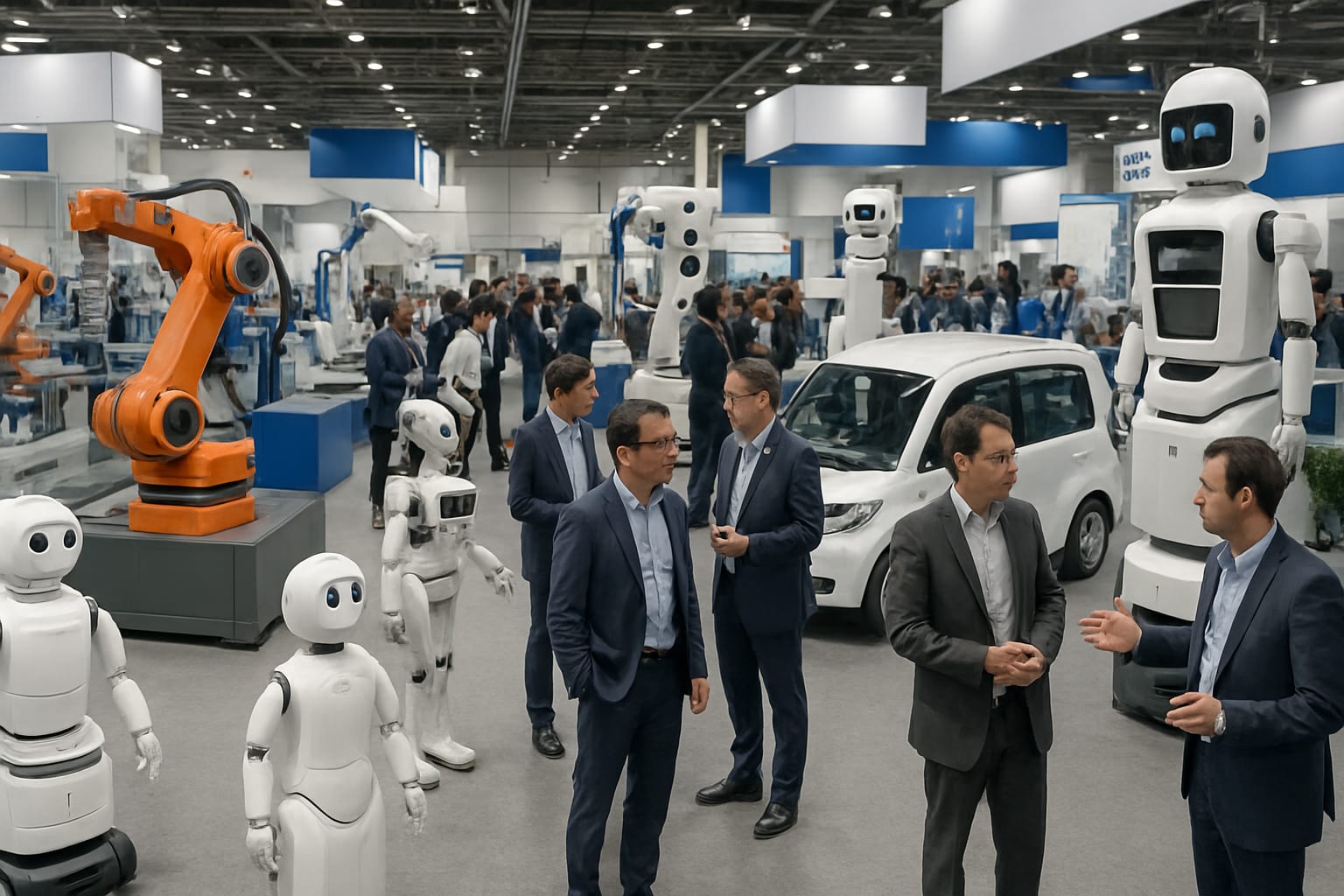
In a significant showcase of technological advancement, the Chinese robotics industry converged in Beijing for a major exhibition aimed at promoting mass adoption of robotics across various sectors. The event, which attracted numerous manufacturers, innovators, and industry experts, highlighted the growing interest in integrating robotics into everyday life and business processes.
The Rise of Robotics in China
China has emerged as a global leader in robotics, driven by rapid technological advancements and a robust manufacturing base. With the government actively supporting innovation through various initiatives and funding programs, the robotics sector has seen a surge in development over the past decade. This exhibition in Beijing served as a platform for companies to demonstrate their latest technologies, share insights, and foster collaborations.
Key Highlights from the Exhibition
Innovative Technologies: The exhibition featured a diverse range of robotic applications, including industrial robots, service robots, and autonomous vehicles. Companies showcased advancements in artificial intelligence, machine learning, and automation, all aimed at enhancing productivity and efficiency.
Focus on Mass Adoption: One of the central themes of the event was the path to mass adoption of robotics. Industry leaders discussed challenges and opportunities in integrating robots into various industries such as manufacturing, healthcare, and logistics.
Networking Opportunities: The event provided a unique opportunity for startups, established companies, and investors to network. Roundtable discussions and panel sessions allowed participants to exchange ideas and explore potential partnerships.
Challenges Facing the Robotics Industry
Despite the enthusiasm surrounding robotics, several challenges hinder the widespread adoption of these technologies. One of the primary issues is the high cost associated with developing and deploying robotic systems. Many businesses, especially small and medium enterprises, find it difficult to justify the investment without a clear return.
Additionally, there is a pressing need for skilled labor to operate and maintain robotic systems. As the technology evolves, the workforce must adapt, necessitating training programs and educational initiatives to equip workers with the necessary skills.
Another significant concern is the regulatory landscape. As robots become more integrated into various sectors, governments must establish frameworks that ensure safety, security, and ethical considerations are addressed. This includes guidelines for the safe operation of autonomous vehicles and the ethical use of AI in robotics.
Government Support and Policy Frameworks
The Chinese government has recognized the importance of the robotics industry for national economic growth and technological independence. Policies aimed at boosting research and development, fostering innovation, and encouraging industrial upgrades have been implemented. These initiatives are vital for positioning China at the forefront of global robotics.
Moreover, the government is encouraging collaboration between academic institutions and industry players to drive research efforts and accelerate the development of new technologies. This synergy is expected to enhance the competitiveness of Chinese robotics on the global stage.
Future Prospects for Robotics in China
The future of robotics in China appears promising, with an increasing number of applications being explored. From automating manufacturing processes to enhancing customer service in retail, robots are poised to transform various sectors. The ongoing development in AI and machine learning is likely to lead to even more sophisticated and capable robotic systems.
As the industry continues to mature, the focus will shift towards creating user-friendly robots that can seamlessly integrate into existing workflows. This transition will be essential for encouraging businesses to adopt robotic solutions.
Additionally, the global demand for robotics is on the rise, driven by the need for efficiency and productivity, particularly in the wake of disruptions caused by the COVID-19 pandemic. Countries around the world are looking to enhance their manufacturing capabilities and automate processes, which presents a significant opportunity for Chinese robotics manufacturers.
Comments (0)
Be the first to comment!