
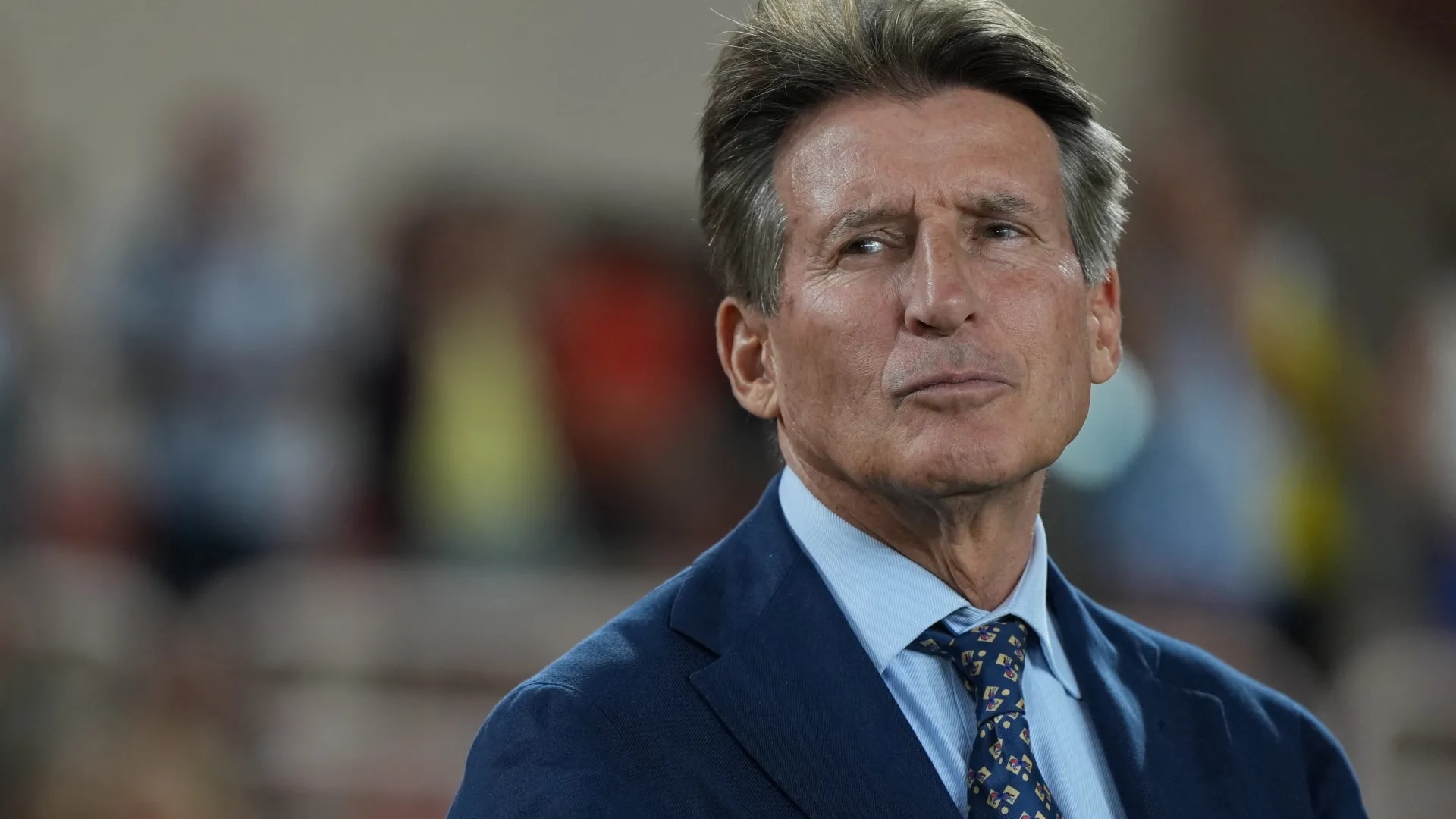
Sebastian Coe, the president of World Athletics and a prominent figure in the international sports community, has raised alarms regarding the increasing involvement of politicians in major sporting events, specifically citing the FIFA World Cup and the Olympic Games. His comments come amid ongoing discussions about the integrity of sports and the potential impacts of political agendas on athletic competitions.
Political Influence in Sports
Coe’s warning underscores a growing concern that political interests can overshadow the spirit of sportsmanship and fair competition. The FIFA World Cup, one of the most viewed sporting events globally, and the Olympics, which bring together athletes from around the world, are often at the center of political discussions. Coe emphasized that while sports can serve as a platform for diplomacy, they should remain free from political manipulation.
The entanglement of politics and sports is not a new phenomenon. Historically, events like the Olympics have seen boycotts and protests influenced by political tensions. For instance, the 1980 Moscow Olympics were boycotted by several countries, including the United States, in protest against the Soviet invasion of Afghanistan. Such instances raise questions about the autonomy of sports organizations and their ability to conduct events without external pressures.
Coe’s Call for Integrity in Sport
In his recent statements, Coe called for a renewed commitment to preserving the integrity of sports. He argued that while engagement with government entities is sometimes necessary, particularly regarding funding and infrastructure, it is crucial that such relationships do not compromise the values of sport.
“We must ensure that the integrity of our events is maintained and that athletes can perform in environments that are free from undue political influence,” Coe remarked, stressing the importance of safeguarding the fundamental principles of fairness and equality in sports.
Recent Examples of Political Interference
Recent events have illustrated the complexities of political involvement in sports. The FIFA World Cup has faced scrutiny over issues such as human rights violations and labor conditions in host countries, particularly in Qatar. Critics have argued that international sporting bodies must take a stance against such issues, while others contend that politics should not infiltrate the sporting arena.
Similarly, the Olympics have been a stage for political statements and protests. The Black Power salute at the 1968 Mexico City Games remains one of the most iconic moments of political protest in sports history. These instances highlight how athletes often use their platforms to address social issues, but they also raise questions about the role of governing bodies in managing these expressions.
The Role of International Sports Organizations
International sports organizations, such as FIFA and the International Olympic Committee (IOC), face the challenge of navigating the intersection of sports and politics. These bodies must strike a balance between promoting sports and addressing the societal implications of their events. Coe’s comments suggest a need for clear guidelines that delineate the boundaries of political involvement in sports.
- Transparency: Sports organizations should foster transparency in their decision-making processes, especially when dealing with government partnerships.
- Accountability: There should be mechanisms to hold stakeholders accountable for actions that compromise the integrity of events.
- Athlete Advocacy: Athletes should be encouraged to voice their opinions on political matters, but organizations must ensure these expressions do not overshadow the event itself.
The Future of Sports in a Political Landscape
The future of major sporting events will likely continue to be influenced by the political climate. As global issues such as climate change, social justice, and human rights gain prominence, athletes and sports organizations may find themselves at the forefront of advocacy efforts. Coe’s remarks serve as a reminder that while sports can be a powerful tool for change, maintaining the integrity of competitions is paramount.
As Coe advocates for a clearer separation between politics and sports, the dialogue surrounding this issue will be crucial in shaping the future of international sporting events. Stakeholders, including athletes, sponsors, and governing bodies, must collaborate to ensure that the essence of sport remains intact amid the complexities of the modern political landscape.
Conclusion
In conclusion, Sebastian Coe's warnings about the risks of political interference in sports underscore a critical conversation that transcends individual events like the FIFA World Cup and the Olympics. The integrity of sports must be preserved to ensure that they remain a celebration of human achievement and international unity. As we move forward, it will be essential for all involved in the world of sports to navigate these waters carefully, balancing the benefits of political discourse with the need for fair competition.
Comments (0)
Be the first to comment!