
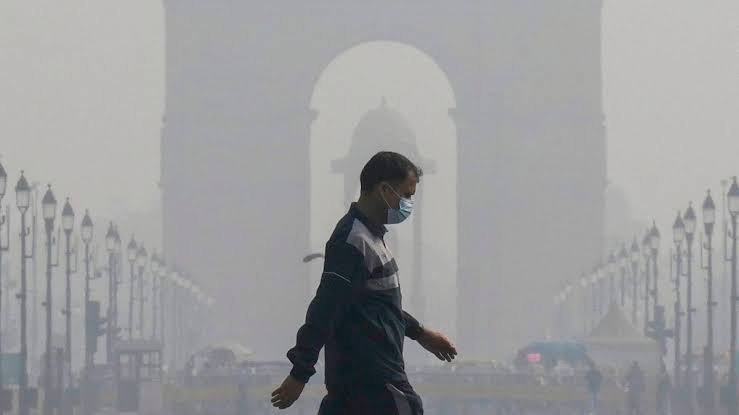
As winter descends upon Delhi, the Indian capital is once again grappling with hazardous air quality. A combination of meteorological factors and persistent pollution sources has led to a significant increase in airborne pollutants, raising concerns about the health of its residents.
Understanding Delhi's Air Quality Crisis
Delhi, known for its rich history and vibrant culture, has been consistently ranked among the world's most polluted cities. The onset of winter exacerbates this problem, as temperature inversions trap pollutants close to the ground, leading to smog and poor visibility.
During the winter months, a mix of emissions from vehicles, industrial activities, construction dust, and stubble burning from neighboring states contributes to the deteriorating air quality. The situation is particularly dire after Diwali, when fireworks add to the already toxic mix.
Government Response and Preparedness
In response to the recurring air quality crisis, the Delhi government has implemented various measures over the years. These include the Graded Response Action Plan (GRAP), designed to impose restrictions on activities that contribute to pollution based on the severity of air quality. Measures can include curbs on construction activities, restrictions on vehicular movement, and the introduction of odd-even vehicle schemes.
Despite these initiatives, critics argue that the government has not done enough to tackle the root causes of pollution. Infrastructure development often takes precedence over environmental concerns, leading to insufficient long-term solutions. The recent resurgence of toxic air raises questions about the effectiveness of existing strategies.
The Role of Public Awareness and Community Action
Public awareness plays a crucial role in combating air pollution. Many NGOs and community groups in Delhi have been working to educate citizens about the health impacts of pollution and ways to reduce personal contributions to the problem. Initiatives such as tree planting drives, pollution awareness campaigns, and promoting alternative modes of transport are gaining traction.
Furthermore, technological solutions are being explored to monitor air quality more effectively. Mobile applications and online platforms that provide real-time pollution data are empowering residents to make informed decisions about their outdoor activities.
Health Implications of Poor Air Quality
The health implications associated with poor air quality are severe and well-documented. Prolonged exposure to high levels of air pollution can lead to respiratory problems, cardiovascular diseases, and can exacerbate pre-existing health conditions. Vulnerable populations, including children, the elderly, and those with chronic health issues, are particularly at risk.
Healthcare professionals are urging residents to take precautions, especially during peak pollution days. Recommendations often include wearing masks, using air purifiers indoors, and limiting outdoor activities when pollution levels are high.
What Needs to Change?
Addressing Delhi's air pollution crisis requires a multifaceted approach that includes stringent regulations, community involvement, and innovative technology. Experts advocate for stricter emission standards for vehicles and industrial operations, better urban planning, and increased investment in public transportation.
Moreover, cooperation among states is essential, particularly in tackling issues like stubble burning that contribute to regional pollution levels. A collaborative approach can lead to more effective solutions and improved air quality for the residents of Delhi.
As the winter months progress, the urgency for effective action against air pollution becomes increasingly critical. With the health and wellbeing of millions at stake, it is imperative that all stakeholders—government, industry, and citizens—come together to address this pressing issue.
Comments (0)
Be the first to comment!