
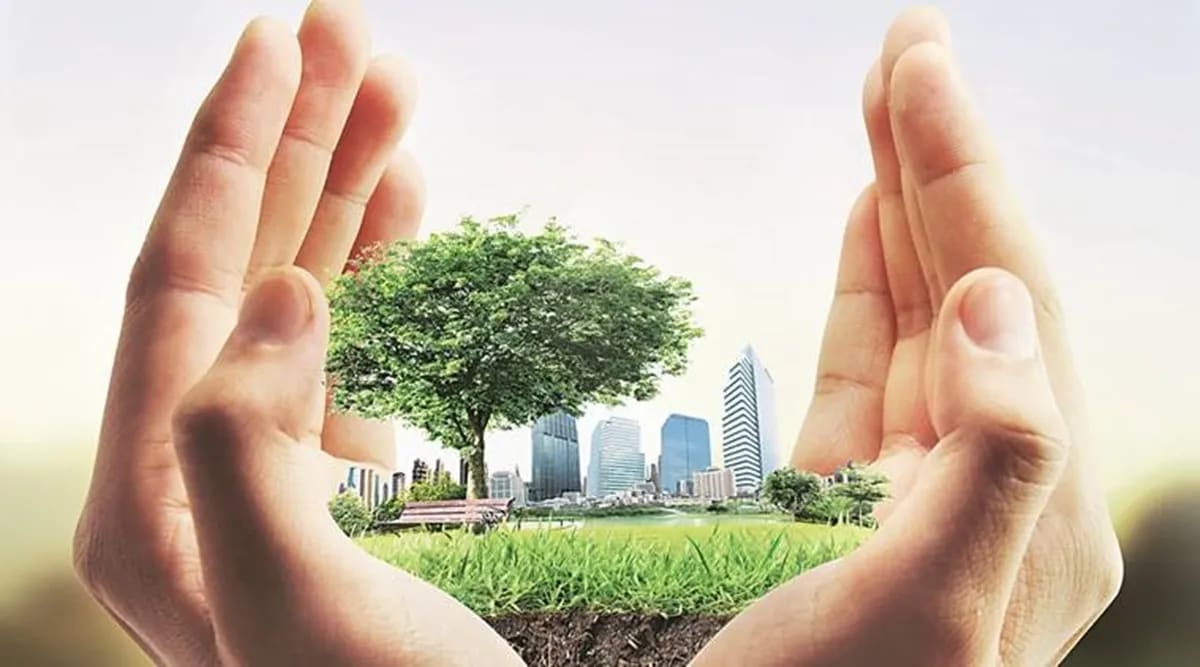
As urbanization accelerates across India, the importance of green and blue spaces has never been more pronounced. These natural environments not only enhance the aesthetic appeal of cities but also play a critical role in improving public health, biodiversity, and overall quality of life. Experts argue that prioritizing these areas can be a key strategy in boosting the nation's economy and well-being.
The Value of Green and Blue Spaces
Green spaces, which include parks, gardens, and forests, along with blue spaces such as rivers, lakes, and coastal areas, provide numerous benefits. They are essential for environmental sustainability, acting as crucial buffers against urban heat, pollution, and flooding. Moreover, these areas are vital in combating climate change by sequestering carbon dioxide and supporting diverse ecosystems.
Studies have shown that access to nature can drastically improve mental health, reduce stress levels, and encourage physical activity. In densely populated urban environments, where concrete dominates the landscape, the lack of these natural spaces can lead to increased health issues such as obesity, cardiovascular diseases, and mental health disorders.
Economic Implications
Investing in green and blue spaces not only enhances public health but can also drive economic growth. Areas with abundant parks and recreational facilities are often more desirable places to live and work, leading to increased property values and attracting businesses. Furthermore, tourism can thrive in regions that preserve their natural beauty, contributing significantly to local economies.
For instance, cities that have successfully integrated parks and waterfronts into their urban planning have witnessed a boost in tourism and local businesses. This can lead to job creation, as parks require maintenance and management, and recreational activities can foster new business opportunities.
Challenges in Implementation
Despite the recognized benefits, the realization of more green and blue spaces faces several challenges in India. Rapid urbanization often prioritizes infrastructure development over environmental considerations, leading to the degradation of existing natural landscapes. Additionally, land scarcity in urban areas presents significant hurdles for expanding green and blue spaces.
Moreover, there is often a lack of awareness among policymakers and the public regarding the long-term benefits of investing in such spaces. Competing interests, such as commercial development, can overshadow the need for parks and natural areas, resulting in a significant gap in urban planning.
Strategies for Improvement
To enhance the availability of green and blue spaces, a multifaceted approach is necessary. Policymakers should integrate environmental considerations into urban planning, ensuring that green spaces are included in all new developments. Innovative solutions such as vertical gardens, rooftop parks, and the revitalization of neglected areas can help create more green spaces in urban settings.
Community involvement is also vital. Local residents can be engaged in the planning and maintenance of these spaces, fostering a sense of ownership and responsibility. Education campaigns that highlight the benefits of green and blue spaces can help raise public awareness and support for their expansion.
Inference
In conclusion, enhancing green and blue spaces is not just an aesthetic improvement but a crucial investment for India's future. By prioritizing these areas, the nation can pave the way for a healthier population, a thriving economy, and a more sustainable environment. As India continues to grow, the integration of these natural spaces into urban life will be essential for ensuring a richer and more prosperous nation.
Comments (0)
Be the first to comment!