
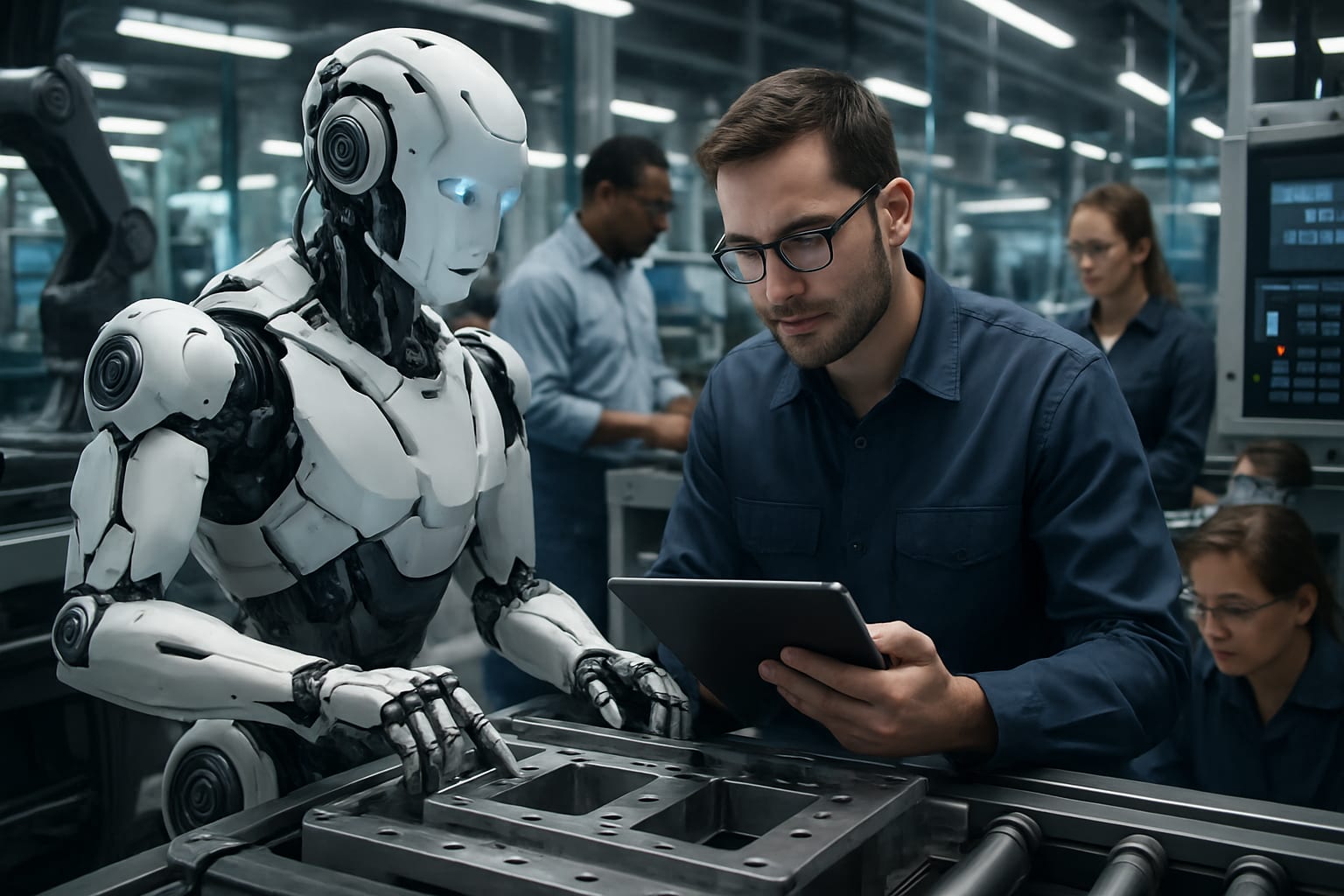
Introduction to Physical AI
In recent years, the concept of Artificial Intelligence (AI) has evolved significantly, moving beyond virtual applications to what is now termed Physical AI. This emerging field encompasses intelligent machines that interact with the physical world, transforming various sectors including manufacturing, healthcare, and transportation. As technological advancements continue to accelerate, the influence of Physical AI on our everyday lives is becoming increasingly evident.
Understanding Physical AI
Physical AI refers to the integration of AI technologies with robotics and sensory systems, allowing machines to perceive and interact with their environment in real-time. Unlike traditional AI, which primarily processes data in virtual environments, Physical AI enables machines to perform tasks that require physical manipulation and spatial awareness.
This integration has led to the development of advanced robots, drones, and autonomous vehicles, among others, which are capable of complex operations and decision-making processes. The sophistication of these systems is achieved through a combination of machine learning, computer vision, and advanced control algorithms.
Transformative Applications in Various Sectors
Physical AI is making significant strides across numerous industries, fundamentally altering how tasks are performed and improving efficiency.
1. Manufacturing
In the manufacturing sector, Physical AI is revolutionizing production lines through the use of collaborative robots, or cobots, that work alongside human workers. These robots are designed to handle repetitive tasks, such as assembly and quality control, freeing up human employees to focus on more complex and creative aspects of production.
Moreover, AI-driven predictive maintenance systems are being implemented to monitor equipment performance, enabling companies to address potential failures before they occur. This proactive approach reduces downtime and enhances overall operational efficiency.
2. Healthcare
The healthcare industry is also witnessing the transformative effects of Physical AI. Intelligent machines are being utilized to assist in surgeries, perform diagnostics, and even provide rehabilitation support. Surgical robots, for instance, offer precision and control that surpasses human capabilities, leading to improved patient outcomes and reduced recovery times.
Additionally, AI-powered diagnostic tools are capable of analyzing medical imaging with remarkable accuracy, helping healthcare professionals identify conditions earlier and more reliably. The implications for patient care and treatment strategies are profound, potentially leading to more personalized and effective healthcare solutions.
3. Transportation
The rise of autonomous vehicles is one of the most visible manifestations of Physical AI. Companies are developing self-driving cars and trucks that utilize advanced sensors and AI algorithms to navigate roads and traffic. These vehicles promise to enhance safety, reduce traffic congestion, and lower emissions.
Moreover, AI-driven logistics systems are optimizing supply chains by predicting demand and managing inventory more effectively. This ensures that goods are delivered on time and reduces waste in the transportation process.
Challenges and Ethical Considerations
Despite the numerous benefits associated with Physical AI, there are significant challenges and ethical considerations that need to be addressed. The increasing reliance on intelligent machines raises concerns about job displacement, as automation may replace certain roles traditionally held by humans.
Moreover, the deployment of Physical AI in critical sectors such as healthcare and transportation necessitates stringent safety standards and regulatory frameworks. Ensuring the reliability and accountability of AI systems is crucial, particularly in scenarios where human lives are at stake.
Public Perception and Acceptance
The acceptance of Physical AI among the public is varied, with some embracing the advancements while others express skepticism. Concerns about privacy, security, and the potential for misuse of AI technologies contribute to this ambivalence.
Efforts to educate the public about the benefits and limitations of Physical AI are essential for fostering a more informed dialogue. Transparent communication regarding how these technologies work and their implications for society can help build trust and acceptance.
The Future of Physical AI
As we look to the future, the potential for Physical AI is vast. Continued advancements in AI research and development are likely to result in even more sophisticated machines capable of performing a wider range of tasks. Industries are expected to become increasingly reliant on these technologies, driving innovation and efficiency.
Furthermore, interdisciplinary collaboration between AI experts, ethicists, and policymakers will be crucial in shaping a future where Physical AI can be integrated into society responsibly. This collaboration will help address the ethical challenges and ensure that the benefits of Physical AI are realized while minimizing risks.
Conclusion
The rise of Physical AI represents a significant shift in how intelligent machines are utilized in our world. From enhancing manufacturing processes to transforming healthcare and transportation, the impact of these technologies is far-reaching. As we navigate the challenges and opportunities presented by Physical AI, it is imperative to prioritize ethical considerations and public engagement to ensure a future that benefits all.
Read Also:https://newsedition.in/article/new-wave-of-business-leaders-shaping-indias-economic-landscape
Read Also:https://newsedition.in/article/dgft-scraps-physical-challans-eases-eodc-process-for-exporters
Comments (0)
Be the first to comment!