
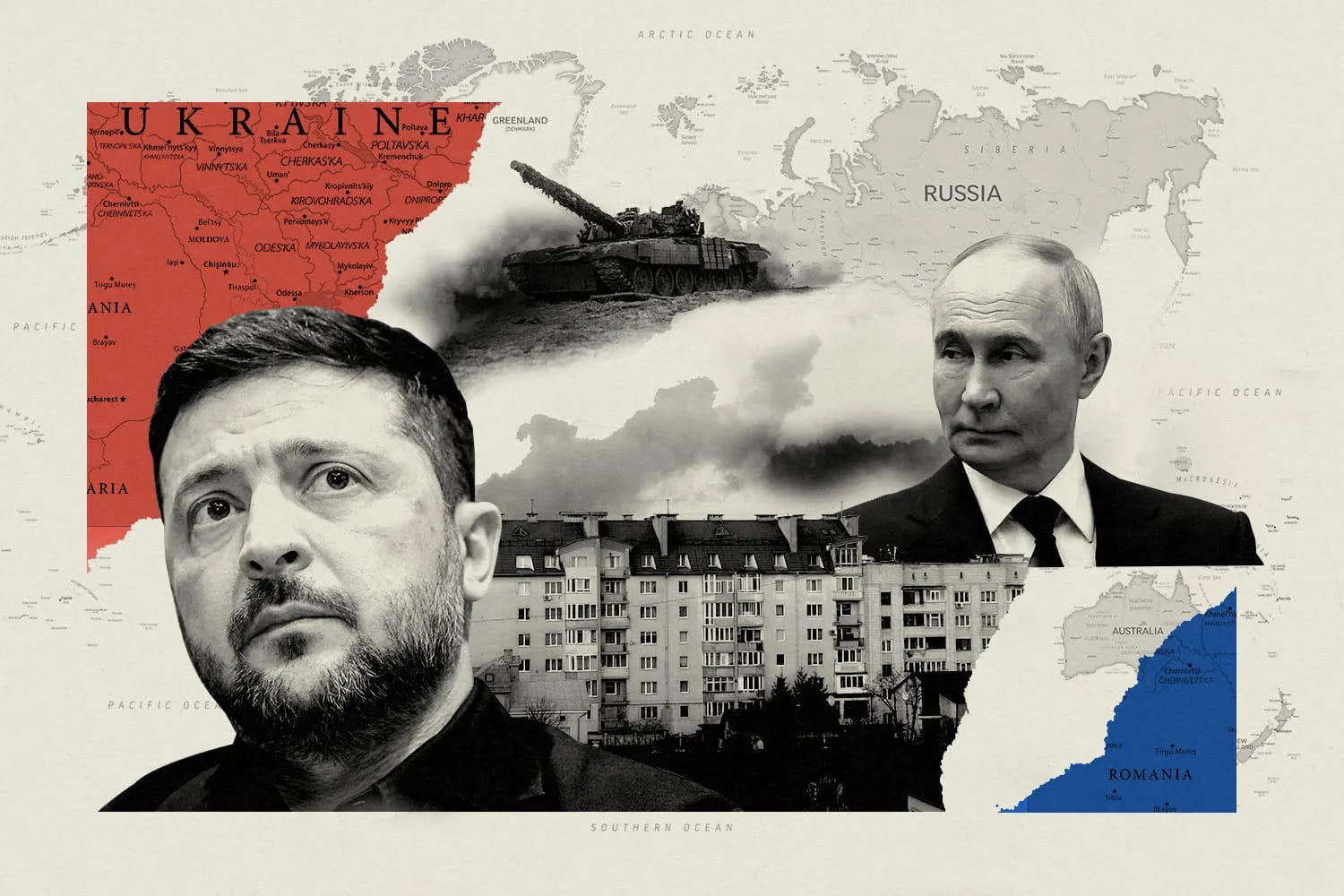
In recent years, a wave of anti-Putin sentiments has emerged from within Russia, with various groups and individuals engaging in acts of sabotage against the government. This development reflects the growing dissent among the populace and highlights the complexities of navigating dissent in a country known for its stringent control over free expression.
The Landscape of Dissent
Russia has long been characterized by a culture of conformity, where dissent is often met with harsh repercussions. However, the increasing discontent towards President Vladimir Putin's administration, fueled by economic challenges and political repression, has led to the emergence of clandestine movements aimed at undermining the government.
These movements vary in their approaches, from digital activism and information warfare to more traditional forms of sabotage. Activists are using technology to spread their message and coordinate actions, making it harder for authorities to suppress these efforts.
Methods of Sabotage
Anti-Putin sabotage activities range from cyberattacks targeting government websites to physical acts of vandalism against state symbols. Some groups have even resorted to more aggressive tactics, including the disruption of public events and the sabotage of infrastructure deemed vital for the regime.
One notable aspect of these movements is the use of social media platforms to rally support and disseminate information. These platforms enable activists to connect not only with each other but also with international audiences, amplifying their message and drawing attention to their cause.
The Role of Exiled Opposition
Exiled opposition leaders and activists play a significant role in these sabotage efforts, often providing resources, training, and strategic direction from outside Russia. This external support can bolster the morale of those operating within the country, creating a more significant impact on the ground.
Moreover, these leaders often engage in lobbying foreign governments to impose sanctions on Russia, aiming to further isolate the Putin administration while supporting grassroots movements inside the country.
Challenges Faced by Activists
Despite the determination of these activists, they face numerous challenges, including the pervasive surveillance of the Russian state. Authorities utilize sophisticated technology to monitor communications and track dissenters, making it risky for individuals to participate in sabotage activities.
Furthermore, the repercussions for those caught engaging in anti-government actions can be severe, ranging from imprisonment to physical harm. This environment of fear has forced many activists to operate in secrecy, complicating their efforts to mobilize wider support.
International Implications
The rise of anti-Putin sabotage movements has significant implications not only for Russia but also for the international community. As these groups gain momentum, they could potentially destabilize Putin's grip on power, leading to unpredictable outcomes.
Western nations are closely monitoring these developments, as a shift in the political landscape in Russia could lead to changes in foreign relations, particularly regarding security and economic policies. The international community's response to these movements will likely play a pivotal role in shaping their future.
Inference
As dissent within Russia grows, so does the complexity of the anti-Putin sabotage movements. While these groups face formidable challenges, their persistence reflects a significant undercurrent of opposition to the current regime. How this situation evolves will have lasting ramifications for Russia and its relations with the world.
Comments (0)
Be the first to comment!