
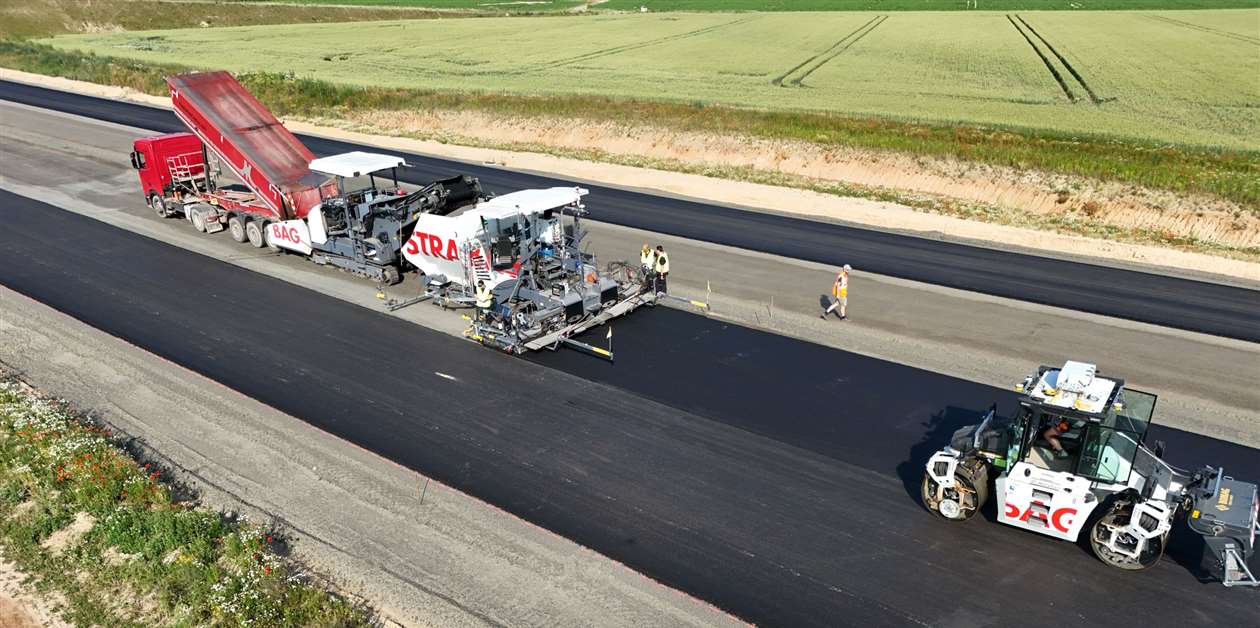
The world’s roads are not only crucial for transportation but also reflect the evolving technologies and materials that shape modern infrastructure. From the cobblestones of ancient times to the high-tech materials used today, road surfaces have undergone significant changes, impacting everything from vehicle efficiency to environmental sustainability.
A Historical Perspective on Road Construction
Road construction has a long history, dating back to ancient civilizations. The Romans were pioneers in this field, developing durable roads that facilitated trade and military movement across their empire. These roads were typically constructed using layers of materials, including stones and gravel, which provided stability and drainage.
As the centuries progressed, road-building techniques evolved. The Industrial Revolution marked a significant turning point, introducing new materials like asphalt and concrete. The advent of automobiles in the 20th century necessitated further innovations, leading to the development of smoother, more durable surfaces to accommodate increasing traffic volumes.
Modern Road Materials and Their Benefits
Today, a variety of materials are used in road construction, each offering distinct advantages:
Asphalt: This is one of the most commonly used materials due to its flexibility, cost-effectiveness, and ease of maintenance. Asphalt roads can be easily repaired and resurfaced, making them a popular choice.
Concrete: Known for its longevity, concrete is often utilized in high-traffic areas. While it is more expensive to install than asphalt, its durability can offset maintenance costs over time.
Composite materials: Innovations in engineering have led to the development of composite materials that combine the benefits of different substances, such as rubberized asphalt which enhances elasticity and reduces noise levels.
Recycled materials: Increasingly, road construction is incorporating recycled materials, such as reclaimed asphalt pavement (RAP) and tire-derived aggregates. This approach not only lowers costs but also promotes environmental sustainability.
The Role of Technology in Road Development
Advancements in technology have played a pivotal role in how roads are designed and constructed. The use of Geographic Information Systems (GIS) allows for precise mapping and planning, ensuring optimal routes and minimizing environmental impact. Additionally, smart materials are being researched and developed, which can adapt to changing conditions, such as temperature fluctuations or heavy traffic.
Furthermore, road construction is increasingly becoming data-driven. Sensors embedded in road surfaces can monitor traffic patterns, weather conditions, and structural integrity, providing valuable data that can enhance maintenance schedules and improve safety.
Environmental Considerations
As awareness of climate change and environmental degradation grows, the construction of roads faces increasing scrutiny. Traditional road materials can contribute to urban heat islands and stormwater runoff, leading to ecological damage. Consequently, many cities are exploring environmentally friendly alternatives.
Permeable pavements, for instance, are designed to allow water to infiltrate through the surface, reducing runoff and promoting groundwater recharge. Additionally, green roads integrate vegetation into the design, which can help absorb pollutants and provide habitat for local wildlife.
Future Trends in Road Surfaces
The future of road surfaces appears to be heading towards more sustainable and intelligent designs. Innovations like self-healing concrete, which can repair minor cracks autonomously, and solar roads, which generate energy while serving transportation needs, are being tested and developed.
Moreover, the rise of electric and autonomous vehicles is influencing road design. Roads may need to be equipped with charging infrastructure or features that facilitate vehicle communication with traffic management systems. The integration of technology into road surfaces could enhance safety and efficiency, paving the way for smarter transportation networks.
Challenges in Road Surface Development
Despite the advancements, several challenges remain. The cost of developing and maintaining modern road surfaces can be prohibitive, especially for developing countries with limited budgets. Additionally, there is often resistance to change from established practices, which can slow the adoption of new materials and technologies.
Infrastructure projects can also face delays and complications due to regulatory hurdles, environmental concerns, and community opposition. Balancing the need for improved road surfaces with these challenges requires careful planning and collaboration among stakeholders.
Comments (0)
Be the first to comment!