
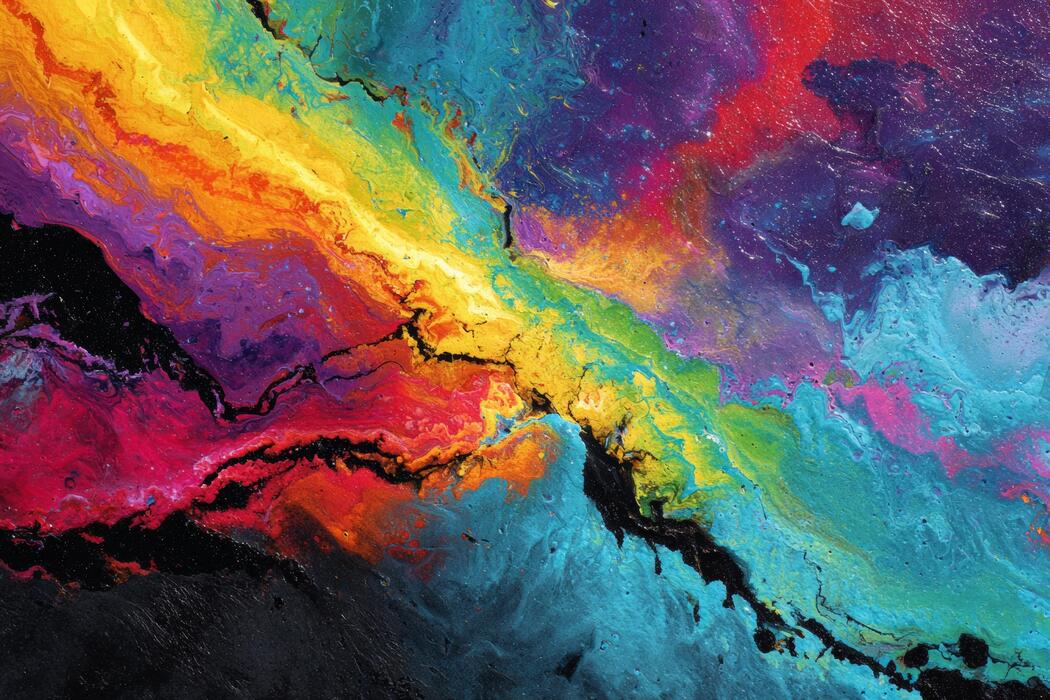
The concept of Colorscape has recently gained attention for its innovative approach to art and culture, captivating audiences worldwide. This artistic movement blends visual art with nature's palette, creating immersive experiences that evoke a deep emotional response. In this article, we will delve into the origins, significance, and future of Colorscape, along with its influence on contemporary art.
What is Colorscape?
Colorscape is a term that refers to the intersection of colors and landscapes, where art meets nature in a symbiotic relationship. This movement is characterized by the use of vibrant colors that reflect the beauty of the natural world. Artists involved in this movement seek to explore the emotional and psychological impacts of color, often drawing inspiration from their surroundings.
The Origins of Colorscape
Colorscape emerged in the early 21st century as artists began to explore more abstract interpretations of landscapes. Influenced by movements such as Impressionism and Abstract Expressionism, contemporary artists sought to express their perceptions of the world around them through color. The shift towards Colorscape can be seen as a response to the increasingly urbanized environments that many people inhabit, highlighting a longing for the beauty of nature.
Key Themes in Colorscape
Nature and Environment: Central to Colorscape is the theme of nature. Artists often depict natural elements such as trees, mountains, and waterways, using color to evoke feelings of tranquility or chaos.
Emotional Resonance: Colorscape emphasizes the emotional weight of colors. Different colors can evoke specific feelings, and artists use this to communicate complex human emotions.
Interactivity: Many Colorscape installations encourage viewer participation, allowing individuals to interact with the artworks, further enhancing their emotional experience.
The Impact of Colorscape on Contemporary Art
Colorscape has significantly influenced contemporary art, inspiring a new generation of artists to explore the emotional and psychological dimensions of color. Galleries and exhibitions showcasing Colorscape have become popular, attracting art enthusiasts and casual viewers alike.
One notable aspect of Colorscape is its ability to break traditional boundaries of art. By incorporating elements of installation art, performance, and even technology, Colorscape creates a multi-disciplinary platform that challenges conventional art forms.
Prominent Colorscape Artists
Several artists have become synonymous with the Colorscape movement, each bringing their unique perspective and style. These artists often draw inspiration from their cultural backgrounds, personal experiences, and the natural world.
Artist A: Known for large-scale outdoor installations that reflect the changing seasons through color.
Artist B: Focuses on the emotional impact of color through abstract paintings that invite viewers to interpret their feelings.
Artist C: Combines technology with traditional painting techniques, creating interactive experiences that engage audiences.
Colorscape in Urban Spaces
As urbanization continues to rise, the application of Colorscape in city environments has become increasingly relevant. Artists are transforming public spaces by introducing vibrant colors that enhance the aesthetic appeal of otherwise drab urban landscapes. Murals, installations, and even temporary art exhibits contribute to the urban Colorscape, fostering community engagement and encouraging a connection to nature.
This trend is not just about beautifying spaces; it also serves as a reminder of the importance of green areas and the need to preserve nature amid concrete jungles. By incorporating natural elements into urban settings, Colorscape aims to create a dialogue about environmental sustainability.
The Future of Colorscape
Looking ahead, the future of Colorscape seems promising as artists continue to innovate and explore new avenues for expression. The integration of technology into art is likely to expand, with virtual and augmented reality experiences becoming more commonplace. This could allow audiences to experience Colorscape in ways that were previously unimaginable.
Moreover, as awareness of environmental issues grows, Colorscape will likely play a crucial role in advocating for ecological consciousness. Artists may increasingly use their platforms to address climate change and promote sustainability through their work.
Comments (0)
Be the first to comment!