
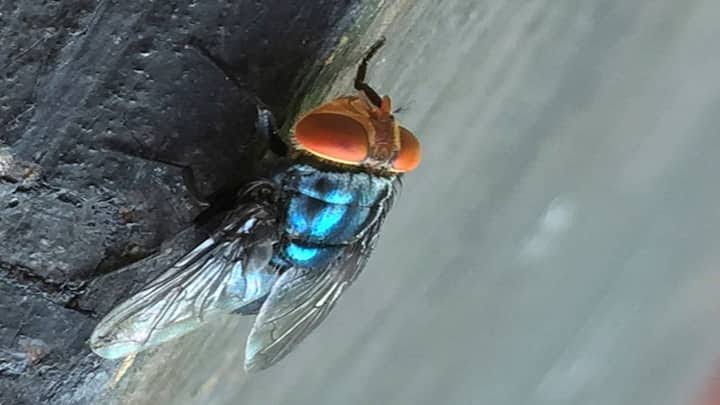
Officials have confirmed the presence of the flesh-eating New World screwworm parasite in wildlife across parts of the United States. This parasitic threat poses serious concerns for animal health and wildlife management, given its notorious history of causing severe harm to livestock and native species.
Understanding the New World Screwworm
The New World screwworm, scientifically known as Cochliomyia hominivorax, is a parasitic fly that lays its eggs in the open wounds of mammals. Upon hatching, the larvae feed on the host’s living tissue, leading to serious infections that can be fatal if not treated promptly. The species is native to parts of Central and South America but was eradicated from the continental United States in the 1960s through a successful pest control program.
Recent Findings
The recent detection of the screwworm in wildlife has raised alarms among veterinary and wildlife officials. Reports indicate that the parasite has been found in various animal species, including deer and domestic livestock. The larvae can lead to significant suffering for the affected animals, resulting in a variety of health complications.
Officials have not disclosed the exact locations of the findings, but they have indicated that monitoring efforts are underway in affected areas. The discovery comes at a time when wildlife populations are already stressed due to factors such as habitat loss and climate change, making them more vulnerable to such parasitic infestations.
Impact on Wildlife and Livestock
The implications of the New World screwworm's resurgence are profound, particularly for livestock industries that could face substantial economic losses. Farmers and ranchers may need to reconsider their animal husbandry practices to mitigate the risk of infestation. The parasite's presence could also lead to stricter regulations and increased costs for animal health care.
Wildlife officials have expressed concerns about the potential for the screwworm to spread rapidly, especially given its capacity to infest a wide range of mammalian hosts. This could lead to declines in wildlife populations and disrupt local ecosystems, further complicating conservation efforts.
Preventive Measures and Response
In response to the confirmed presence of the New World screwworm, state and federal agencies are ramping up their surveillance programs. These efforts include educating the public about the signs of infestation and encouraging prompt veterinary care for animals showing symptoms.
Additionally, officials are advocating for the use of preventative treatments in areas at risk of infestation. Strategies may involve using insecticides or topical treatments that can deter the screwworm from infesting open wounds. The cooperation between wildlife management authorities, veterinarians, and ranchers will be crucial in managing this emerging threat.
Historical Context and Future Considerations
The reemergence of the New World screwworm is reminiscent of its previous eradication efforts in the mid-20th century. At that time, the use of sterile insect techniques, where sterile male flies were released into the population, proved effective in eliminating the species from the US. However, the resurgence poses a reminder of the ongoing challenges in pest management and the importance of continuous monitoring of animal health.
As the situation evolves, stakeholders in agriculture and wildlife management will need to remain vigilant. Collaboration across various sectors will be vital to ensure that effective measures are in place to combat the screwworm and protect both domestic animals and wildlife.
Comments (0)
Be the first to comment!