
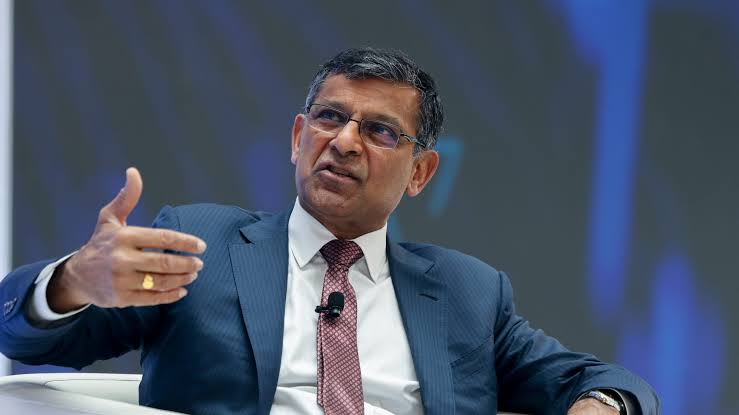
In a recent statement, former Reserve Bank of India (RBI) governor Raghuram Rajan cautioned against the excessive use of India’s foreign exchange reserves to stabilize the rupee. His comments come amid concerns over the Indian currency's depreciation in the global market.
Concerns Over Rupee Depreciation
The rupee has faced significant pressure, primarily due to a strengthening US dollar and rising global interest rates. As various economic factors contribute to this decline, Rajan emphasized that relying on the country’s foreign reserves to prop up the rupee may not be a sustainable solution.
Importance of Foreign Exchange Reserves
India's foreign exchange reserves are a critical tool for managing the currency and ensuring economic stability. They are used to pay for imports, settle international debt, and provide a buffer against external shocks. However, Rajan pointed out that depleting these reserves to defend the rupee could pose risks to the overall economic health of the country.
Potential Risks of Reserve Depletion
Using reserves to defend the rupee can lead to several adverse outcomes:
Increased Vulnerability: Diminishing reserves may leave India vulnerable to future economic shocks, reducing the country’s ability to manage crises.
Market Confidence: Excessive intervention could signal a lack of confidence in the currency's inherent strength, potentially leading to further depreciation.
Inflationary Pressures: A weaker rupee can lead to higher import costs, contributing to inflation and affecting the overall cost of living.
Alternatives to Reserve Depletion
Instead of relying solely on reserves, Rajan suggested that policymakers should focus on strengthening the fundamentals of the economy. This could involve implementing structural reforms, enhancing productivity, and promoting exports to improve the trade balance.
Additionally, maintaining a robust monetary policy that addresses inflation while supporting economic growth is crucial. Rajan advocated for a balanced approach that avoids over-reliance on interventions that might only provide temporary relief.
Global Context and Economic Policies
Rajan's warnings come in a broader context of global economic uncertainty. Central banks worldwide are tightening monetary policies to combat inflation, which has led to capital outflows from emerging markets, including India. The RBI has been actively managing the rupee's volatility, but the effectiveness of such measures is under scrutiny.
As the Indian government and the RBI navigate these challenges, the emphasis remains on creating a resilient economic framework capable of withstanding external pressures without jeopardizing national reserves.
Inference
Raghuram Rajan’s insights underscore the need for a strategic approach to currency management that prioritizes economic stability over short-term fixes. With the rupee facing ongoing challenges, it is crucial for Indian policymakers to develop sustainable solutions that safeguard the nation’s financial health.
Comments (0)
Be the first to comment!