
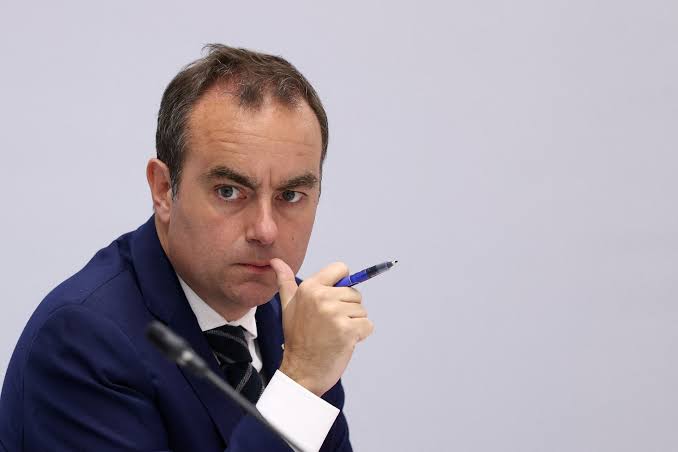
In a decisive move to bolster national cybersecurity, the Prime Minister of France has mandated that government ministers devise and implement a comprehensive cybersecurity plan within a mere 15 days. This directive underscores the increasing urgency surrounding cybersecurity in light of recent global cyber threats and the necessity for stringent protective measures.
The Need for Enhanced Cybersecurity
The digital landscape has become a battleground for cybercriminals, with numerous high-profile incidents emphasizing vulnerabilities within government systems and private sectors alike. France, like many nations, has faced its share of cyberattacks that have compromised sensitive data and disrupted essential services.
The French government’s recent emphasis on cybersecurity aligns with a broader trend observed worldwide, where countries are recognizing the fundamental role of secure digital infrastructure in safeguarding national interests. Cybersecurity threats, ranging from ransomware attacks to state-sponsored espionage, have prompted a reevaluation of existing security protocols.
Details of the Prime Minister's Directive
The Prime Minister's order compels ministers to prioritize the creation of a robust cybersecurity strategy that includes actionable measures to protect public and private sector data. The 15-day timeframe is indicative of the government's recognition of the urgency of the situation, reflecting a commitment to immediate action rather than prolonged deliberation.
Ministers are expected to collaborate with various stakeholders, including cybersecurity experts, tech companies, and law enforcement agencies, to devise a plan that not only addresses current vulnerabilities but also anticipates future threats. This collaborative approach is crucial, as the complexity of cybersecurity challenges often necessitates a multi-faceted response.
Implications for Government and Industry
This initiative has significant implications for both government operations and the private sector. For government entities, the directive could lead to the implementation of stricter security protocols, increased funding for cybersecurity measures, and enhanced training for personnel responsible for managing sensitive information.
Furthermore, the emphasis on collaboration with the private sector may stimulate innovation in cybersecurity technology and solutions. The government’s proactive stance could encourage tech companies to develop more advanced security measures and foster partnerships that enhance overall cybersecurity resilience.
Global Context and Cybersecurity Trends
France's actions are reflective of a global trend where countries are increasingly prioritizing cybersecurity as a critical aspect of national security. The rise in cyberattacks, particularly during the COVID-19 pandemic, has prompted nations to reassess their preparedness and response capabilities.
For example, the United States has also intensified its focus on cybersecurity, launching initiatives aimed at strengthening the nation’s defenses against cyber threats. Similarly, other European nations have adopted measures to enhance their cybersecurity frameworks, recognizing that a unified approach is essential for effectively combating cybercrime.
Challenges Ahead
Despite the urgency and necessity of the Prime Minister’s directive, several challenges may hinder the effective implementation of the cybersecurity plan within the stipulated timeframe. One major hurdle is the complexity of existing systems, many of which may be outdated and ill-equipped to handle modern cyber threats.
Additionally, there may be resistance to change from within government agencies and industries accustomed to certain operational methods. Ensuring that all stakeholders are aligned and willing to adopt new practices will be critical to the success of the initiative.
Comments (0)
Be the first to comment!