
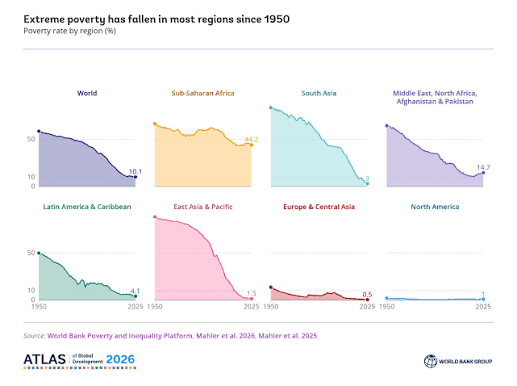
The issue of extreme poverty remains a pressing challenge for global societies, with millions of individuals still grappling with the harsh realities of survival despite overall world economic growth. The World Bank has highlighted that while economies have expanded, the benefits of this growth have not been evenly distributed, leaving the poorest segments of society behind.
The Disparity in Economic Growth
As nations strive for economic advancement, the disparity between the wealthy and the extreme poor continues to widen. According to recent analysis, a significant portion of the world’s population still lives on less than $1.90 a day, which is considered the international poverty line. This stark reality raises questions about the effectiveness of current policies aimed at poverty alleviation.
Challenges Faced by the Extreme Poor
The extreme poor, often residing in rural areas or informal settlements, encounter numerous obstacles that hinder their ability to escape poverty. These challenges include:
Lack of Access to Basic Services: Many individuals lack access to essential services such as healthcare, education, and clean water.
Unstable Employment: The extreme poor often work in informal sectors that provide little job security and low wages.
Limited Financial Resources: Access to financial services and credit is often restricted, making it difficult for individuals to invest in their futures.
This combination of factors perpetuates the cycle of poverty, making it increasingly difficult for the extreme poor to improve their living conditions.
Global Response and Policy Gaps
While international organizations and governments have made commitments to eradicate poverty, the implementation of effective policies has often fallen short. The World Bank’s analysis points out that economic growth alone is insufficient. Without targeted interventions that address the specific needs of the extreme poor, many will continue to be marginalized.
Governments are urged to prioritize inclusive growth strategies that ensure economic benefits reach all segments of society, particularly the most vulnerable. This includes investing in education, healthcare, and infrastructure that directly impact the lives of the extreme poor.
The Role of International Aid and Collaboration
International aid plays a crucial role in supporting poverty alleviation initiatives. Donor countries and organizations are encouraged to collaborate with local governments to design and implement programs that address the unique challenges faced by the extreme poor. This could involve:
Direct Financial Assistance: Providing cash transfers or social safety nets to support those in extreme poverty.
Skills Development: Offering training programs that improve employability and income potential.
Community-Based Projects: Investing in local initiatives that empower communities to take charge of their development.
Such efforts can help bridge the gap between economic growth and poverty alleviation, ensuring that the benefits of development are shared more equitably.
Comments (0)
Be the first to comment!