
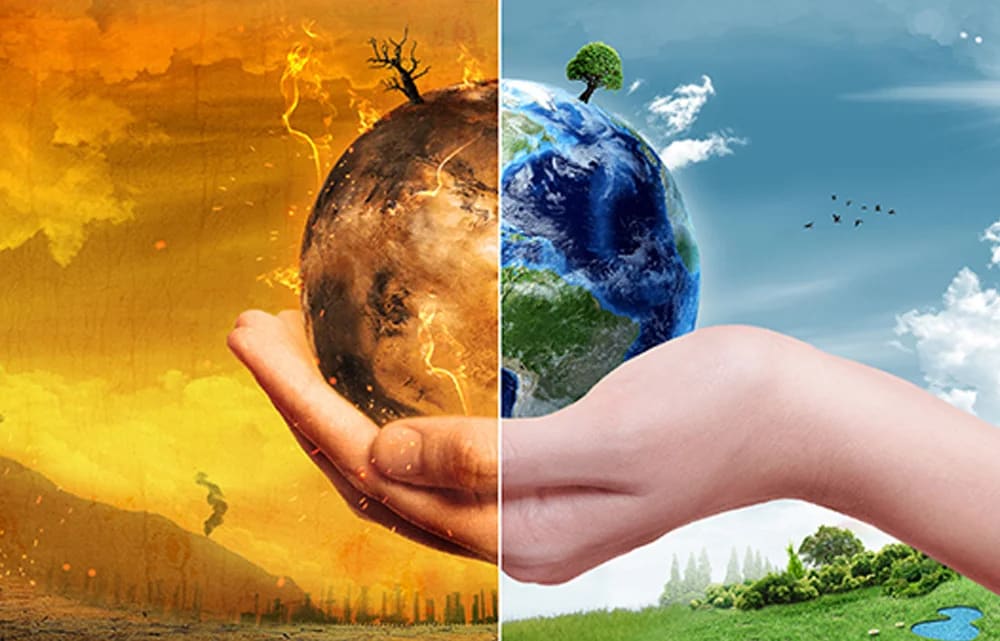
The world is currently witnessing a period of unprecedented turmoil, characterized by a confluence of armed conflicts, natural disasters, and economic instability. These multifaceted crises are interlinked, exacerbating each other and creating a complex web of challenges for nations and communities worldwide.
Impact of Armed Conflicts
Wars and conflicts continue to ravage many regions, leading to severe humanitarian crises. Ongoing conflicts in areas such as the Middle East, Africa, and Eastern Europe have resulted in significant loss of life, displacement of populations, and destruction of infrastructure. The humanitarian toll is staggering, with millions of refugees seeking safety and basic necessities.
These conflicts often stem from a mix of political, ethnic, and religious tensions, and they are frequently fueled by external influences, including foreign interventions. The consequences are far-reaching, affecting not only the countries directly involved but also neighboring nations and the global community, which faces increased instability and security threats.
Climate Change and Natural Disasters
Alongside warfare, the escalating impacts of climate change are becoming increasingly apparent, with extreme weather events becoming more frequent and severe. Natural disasters such as hurricanes, floods, droughts, and wildfires are wreaking havoc on communities, destroying homes, displacing populations, and straining food and water resources.
The World Meteorological Organization has noted a rise in the frequency of these events, which are often exacerbated by human-induced climate change. As nations grapple with these disasters, the economic burden grows, further complicating recovery efforts and diverting resources from crucial humanitarian assistance.
The Economic Fallout
The intertwining effects of war and climate change are creating a perfect storm for global economies. Supply chains, already disrupted by the COVID-19 pandemic, face additional challenges due to conflicts and natural disasters. Industries such as agriculture are particularly vulnerable, leading to food shortages and rising prices.
Furthermore, nations are increasingly dedicating funds to military expenditures and disaster response, often at the expense of social programs and long-term development initiatives. This shift can lead to a cycle of poverty and instability, making it even harder for affected populations to recover.
Global Response and Responsibility
In light of these challenges, international cooperation is more important than ever. Global institutions, governments, and non-governmental organizations must work together to address the root causes of conflicts and climate change. Effective diplomacy, peacekeeping efforts, and climate action must be prioritized to foster stability and resilience.
Moreover, developed nations have a responsibility to assist developing countries that are disproportionately affected by these crises. Financial aid, technical support, and sharing of resources can help strengthen vulnerable communities and promote sustainable development.
Comments (0)
Be the first to comment!