
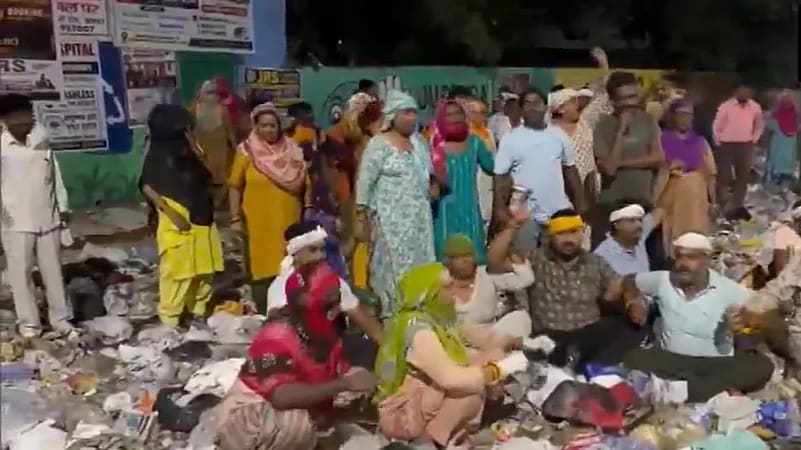
In a significant development, sanitation workers in Haryana are set to return to their duties today following a prolonged period of protests. The workers had been on strike, demanding better wages and improved working conditions, which brought sanitation services in several districts to a standstill.
Background of the Strike
The strike, which lasted for several days, highlighted the grievances of sanitation staff regarding their remuneration and safety. Many workers reported that their pay was insufficient to meet living costs, and they sought assurances regarding health and safety measures on the job.
During the strike, the state faced considerable challenges in maintaining cleanliness and sanitation, especially in urban areas. Piles of uncollected waste began to accumulate, prompting concerns among residents about hygiene and public health.
Government Intervention
In response to the situation, local authorities held discussions with the sanitation workers to address their concerns. These negotiations included proposals for wage increases and commitments to improve working conditions. The state government recognized the essential role of sanitation workers in public health and decided to take action to resolve the impasse.
Return to Work
After reaching a consensus during the negotiations, the sanitation workers have agreed to resume their duties. The agreement is expected to bring relief to residents as clean-up operations are set to recommence immediately. Authorities have expressed gratitude towards the workers for their commitment and resilience during the negotiations.
Local leaders and residents have welcomed the decision, indicating that a return to normalcy in sanitation services is crucial for community health and safety. The government has also promised to monitor the implementation of the agreed-upon changes to ensure that the workers' rights and needs are adequately addressed.
Future Outlook
The successful negotiation and return to work of the sanitation staff in Haryana may set a precedent for similar labor movements across the country. It underscores the importance of dialogue between workers and government bodies in resolving conflicts amicably.
Community leaders are optimistic that this resolution will lead to sustainable improvements in the treatment of sanitation workers. They emphasize the need for ongoing discussions to ensure that the workers do not face similar challenges in the future.
Comments (0)
Be the first to comment!