
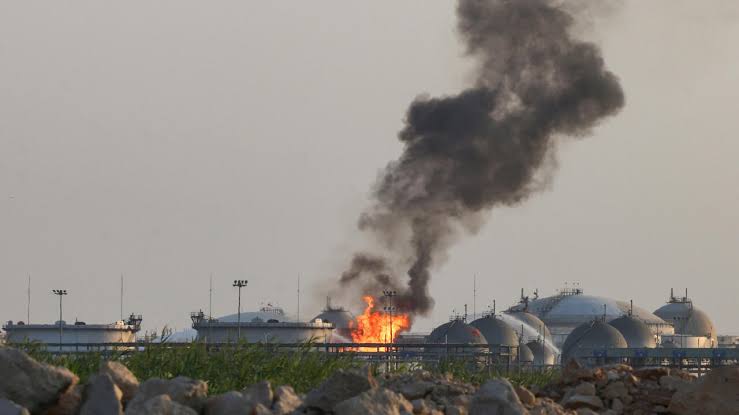
The ongoing conflict in Yemen has escalated as the Houthi movement has targeted Saudi Arabia's air traffic infrastructure, aiming to disrupt the kingdom’s connectivity with the outside world. This recent surge in assaults underscores the persistent tensions in the region and the Houthis' strategic efforts to challenge Saudi dominance.
Background of the Conflict
The Houthis, a Shia-led group from northern Yemen, have been engaged in a protracted war against a coalition led by Saudi Arabia since 2015. The conflict has resulted in a humanitarian crisis in Yemen and has affected regional stability. The Houthis have increasingly resorted to drone and missile attacks as their capabilities have evolved over the years, prompting Saudi Arabia to bolster its air defense systems.
Details of the Recent Attacks
The latest attacks have been characterized by a series of drone strikes aimed at major airports and air traffic control systems within Saudi territory. While the exact targets and damages are still being assessed, officials report that there have been disruptions to some air travel routes. The Houthis have stated that these operations are intended to impair Saudi Arabia's ability to operate air traffic efficiently and to isolate the kingdom in response to ongoing military interventions in Yemen.
Impact on Saudi Arabia
The bombardment poses a significant threat to Saudi Arabia’s economic interests, particularly in tourism and commerce, which rely heavily on air travel. Disruptions in air traffic could lead to a decrease in foreign investment and complicate the kingdom's efforts to diversify its economy under the Vision 2030 initiative. Furthermore, international businesses and travelers may rethink their engagements with Saudi Arabia if air safety becomes a concern.
International Reactions
The international community has expressed concern over the escalation of hostilities. The United Nations and various human rights organizations have called for a ceasefire and renewed negotiations to address the humanitarian crisis in Yemen. Some regional and global powers have urged both sides to engage in dialogue to prevent further deterioration of the situation.
Strategic Implications
This latest wave of attacks not only exemplifies the Houthis' growing capabilities but also highlights the vulnerability of Saudi Arabia's infrastructure to asymmetric warfare tactics. The conflict has broader implications for regional security, as it may embolden other groups in the region that share similar objectives against established powers.
Looking Ahead
As the Houthis continue their offensive, Saudi Arabia faces the challenge of fortifying its defenses while also managing the diplomatic fallout from these attacks. The need for a sustainable resolution to the conflict becomes increasingly urgent, as ongoing tensions threaten to destabilize not just Yemen, but the entire Gulf region. Observers are closely monitoring how these developments will influence the geopolitical landscape and whether they will lead to a reassessment of foreign policies by various states involved in the conflict.
Comments (0)
Be the first to comment!