
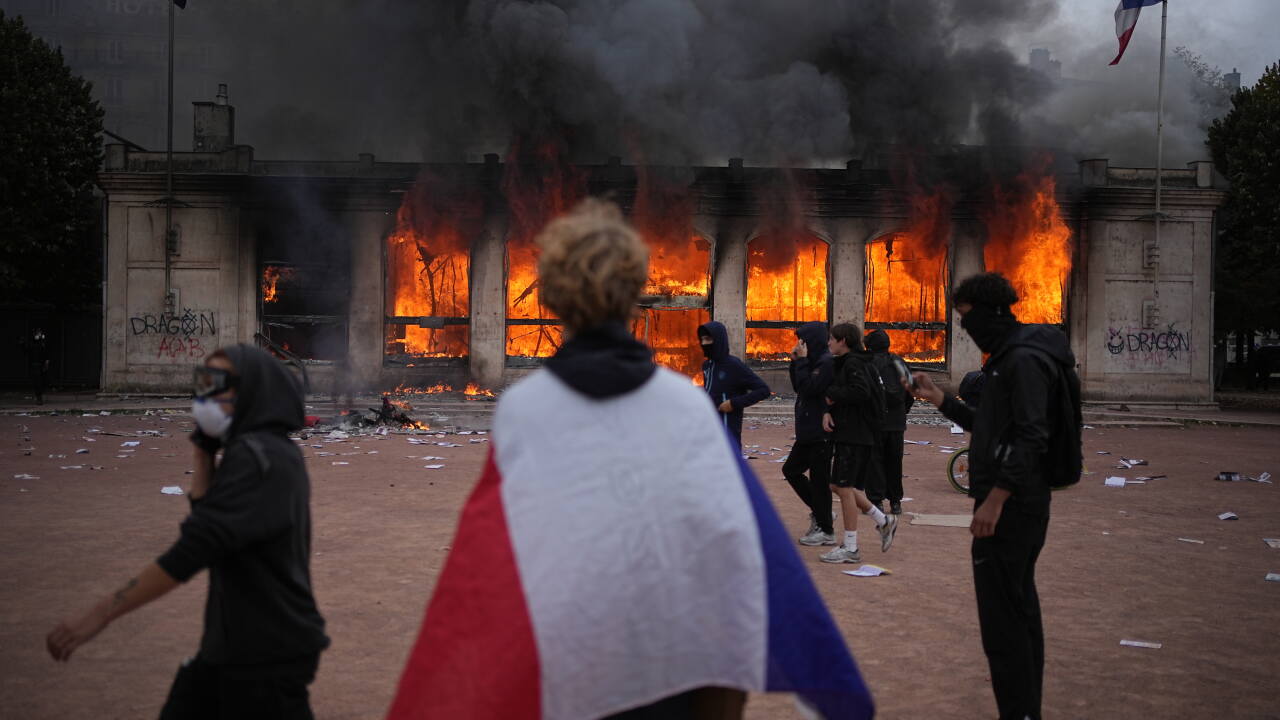
The recent riots in France have sparked a nationwide debate about their implications for the country’s political future. These events, which have resulted in widespread unrest in numerous cities, have raised questions about social cohesion, governmental response, and the overall stability of the French political system.
Background of the Riots
The riots erupted following incidents that many citizens perceived as a culmination of long-standing grievances, including issues related to police violence, social inequality, and economic hardship. Initially sparked by a controversial police action, the events quickly escalated, leading to protests that turned violent in various urban areas.
Many observers note that these riots are reflective of deeper societal issues. Marginalized communities, particularly in suburban areas, have expressed frustration over their treatment by authorities and their lack of representation in political discussions. This backdrop of discontent is critical to understanding how these riots might influence the political landscape.
Immediate Political Reactions
French politicians have been quick to respond to the unrest, with leaders from various parties weighing in. The government has been criticized for its handling of the situation, with calls for both accountability and reform in police practices. Some politicians have suggested that the riots highlight a need for a broader dialogue about social justice and equality.
President Emmanuel Macron’s administration faces significant pressure to address the root causes of the unrest while maintaining public order. The government's response will likely play a crucial role in shaping public opinion and influencing the upcoming elections. Political analysts suggest that how the government navigates this crisis will either bolster or diminish Macron's support.
Potential Long-term Political Implications
The long-term effects of the riots on French politics could be profound. If the government fails to enact meaningful reforms, it could lead to a rise in populism, as seen in other European nations. Political parties that capitalize on public discontent, such as far-right or far-left movements, may gain traction among voters seeking change.
Furthermore, the riots may also influence the dynamics of upcoming elections. Candidates who advocate for systemic reforms might resonate more with the electorate, while those who cling to traditional policies may find themselves at a disadvantage. The potential shift in voter sentiment could reshape the French political landscape, leading to new alliances and rivalries.
Public Sentiment and Civic Engagement
The public's response to the riots is another crucial factor. Many citizens are calling for increased civic engagement and dialogue between the government and communities. This push for participation could lead to a more engaged electorate, potentially resulting in higher voter turnout in future elections.
Moreover, the riots have reignited discussions around civic rights and social justice, prompting many to advocate for reforms that address inequality and police accountability. This growing activism may influence how political parties formulate their platforms and engage with their constituents.
Inference: A Pivotal Moment for France
The riots in France represent a pivotal moment for the nation, with the potential to alter the political landscape significantly. As the government grapples with the immediate fallout, the long-term implications for governance, civic engagement, and political representation remain to be seen. Observers will be closely watching how the situation unfolds and what it means for the future of France's democracy.
Comments (0)
Be the first to comment!