
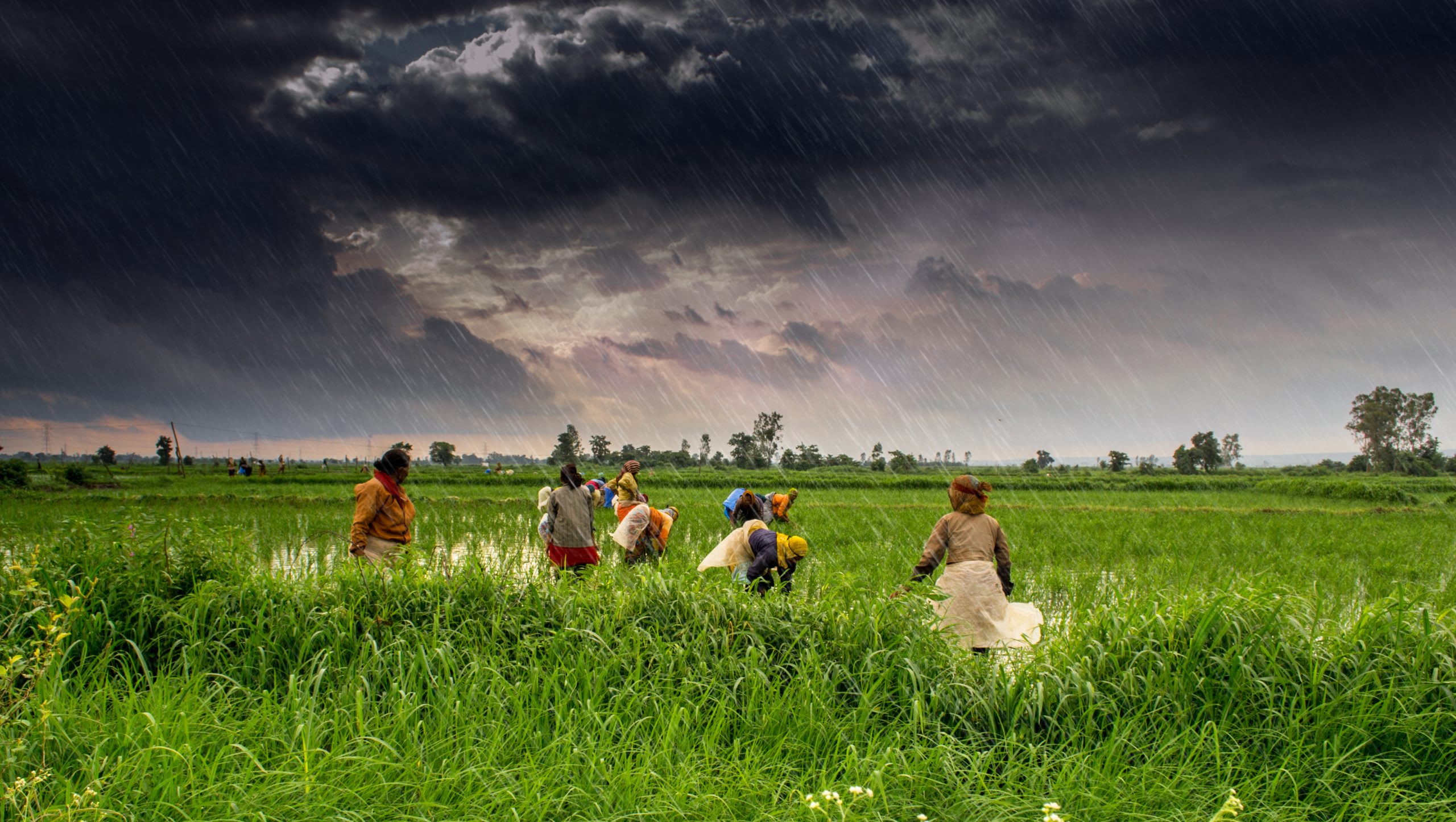
Understanding the Monsoon Deficit
The southwest monsoon is a critical weather phenomenon for India, influencing agricultural productivity and water resources across the country. This year, the monsoon has been marked by a significant deficit, affecting various regions differently. The monsoon season typically runs from June to September, bringing much-needed rainfall to replenish rivers, lakes, and groundwater supplies.
Regions Affected by the Deficit
Several states have reported below-normal rainfall this season, leading to concerns over crop yields and water availability. Areas such as Rajasthan, Gujarat, and parts of Madhya Pradesh have experienced severe rainfall shortages. The deficit has raised alarms among farmers who rely heavily on monsoon rains for irrigation.
Consequences for Agriculture
The southwest monsoon is vital for India's agricultural sector, which employs a significant portion of the population. A deficit can lead to:
Crop Failure: Insufficient rainfall directly impacts the growth of crops, particularly those that are rain-fed. Essential staples like rice, wheat, and pulses are at risk.
Increased Irrigation Costs: Farmers may need to resort to expensive artificial irrigation methods, straining their finances.
Economic Strain: A poor monsoon can lead to reduced income for farmers, affecting their purchasing power and resulting in wider economic implications.
Water Scarcity Issues
The monsoon deficit also exacerbates water scarcity issues in various regions. Reduced rainfall leads to lower levels in reservoirs and water bodies, impacting drinking water supply and sanitation. States that are already facing water stress are likely to see heightened tensions as communities compete for dwindling resources.
Government Response and Mitigation Strategies
In response to the ongoing monsoon deficit, the Indian government and state authorities have begun implementing several measures aimed at alleviating the impact. These include:
Financial Relief: Offering compensation packages to affected farmers to help mitigate losses.
Irrigation Projects: Accelerating the development of irrigation infrastructure to reduce dependency on monsoon rains.
Water Conservation Initiatives: Promoting water-saving techniques and practices among farmers and communities.
Long-Term Implications and Climate Change
The ongoing monsoon deficit is not just a seasonal anomaly but could reflect long-term climatic changes affecting weather patterns across the globe. Experts warn that the frequency and intensity of such deficits may increase due to climate change, emphasizing the need for adaptive strategies in agriculture and water management.
Inference
The southwest monsoon is crucial for India's agricultural health and overall economic stability. The current deficit poses serious challenges that require immediate and long-term solutions to ensure food security and water sustainability. As farmers brace for the implications of this year's monsoon, a concerted effort from both government and communities is essential to mitigate the risks ahead.
Comments (0)
Be the first to comment!