
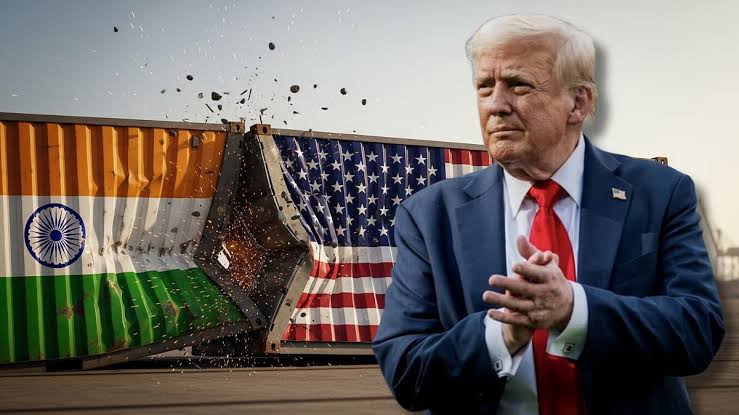
The economic relationship between the United States and India has undergone significant scrutiny in the wake of tariffs imposed by former President Donald Trump. These tariffs, intended to protect American industries, have had a ripple effect, influencing not only trade dynamics but also voter sentiment in the U.S. political landscape.
The Tariffs and Their Economic Implications
In 2018, the Trump administration implemented tariffs on a variety of goods imported from India. This move was part of a broader strategy to reduce the trade deficit and encourage domestic production. However, the tariffs on Indian products, which included steel and aluminum, raised the cost of these goods in the U.S. market. As a result, American consumers ultimately bore the financial burden through higher prices.
Consumer Reactions and Political Consequences
The repercussions of these tariffs extended beyond economics and into the political realm. Voters, particularly those in manufacturing and agricultural sectors who were expected to benefit from the tariffs, began to express dissatisfaction. Many consumers noticed increased prices for everyday goods and felt the negative impacts of retaliatory tariffs imposed by India on American products.
As the 2020 elections approached, this frustration became palpable. According to political analysts, the tariffs became a focal point in campaign discussions, particularly among Republican candidates. Voter sentiment shifted, leading to a notable decline in support for Republican candidates in areas heavily affected by the tariffs.
Polling Data and Election Outcomes
Polls conducted leading up to the elections indicated a significant backlash against Republican lawmakers, with many voters attributing economic struggles directly to the tariffs. This backlash was particularly evident in states that had traditionally leaned Republican but saw a surge in support for Democratic candidates, who capitalized on the discontent.
In key battleground states, the impact of the tariffs contributed to a narrative that Republicans were out of touch with the economic realities facing ordinary Americans. Voters expressed their displeasure at the polls, leading to a shift in power dynamics in Congress.
Future Trade Relations with India
As the Biden administration takes office, the focus on trade relations with India is expected to evolve. There is a growing awareness of the importance of maintaining strong economic ties with India, one of the largest markets in the world. The current administration may seek to negotiate trade agreements that address the concerns raised during the tariff imposition, aiming for a more balanced approach that benefits both nations.
Experts suggest that the lessons learned from the tariff experience could pave the way for more strategic trade relations, minimizing the risk of consumer backlash and fostering cooperation on various economic fronts.
Comments (0)
Be the first to comment!