
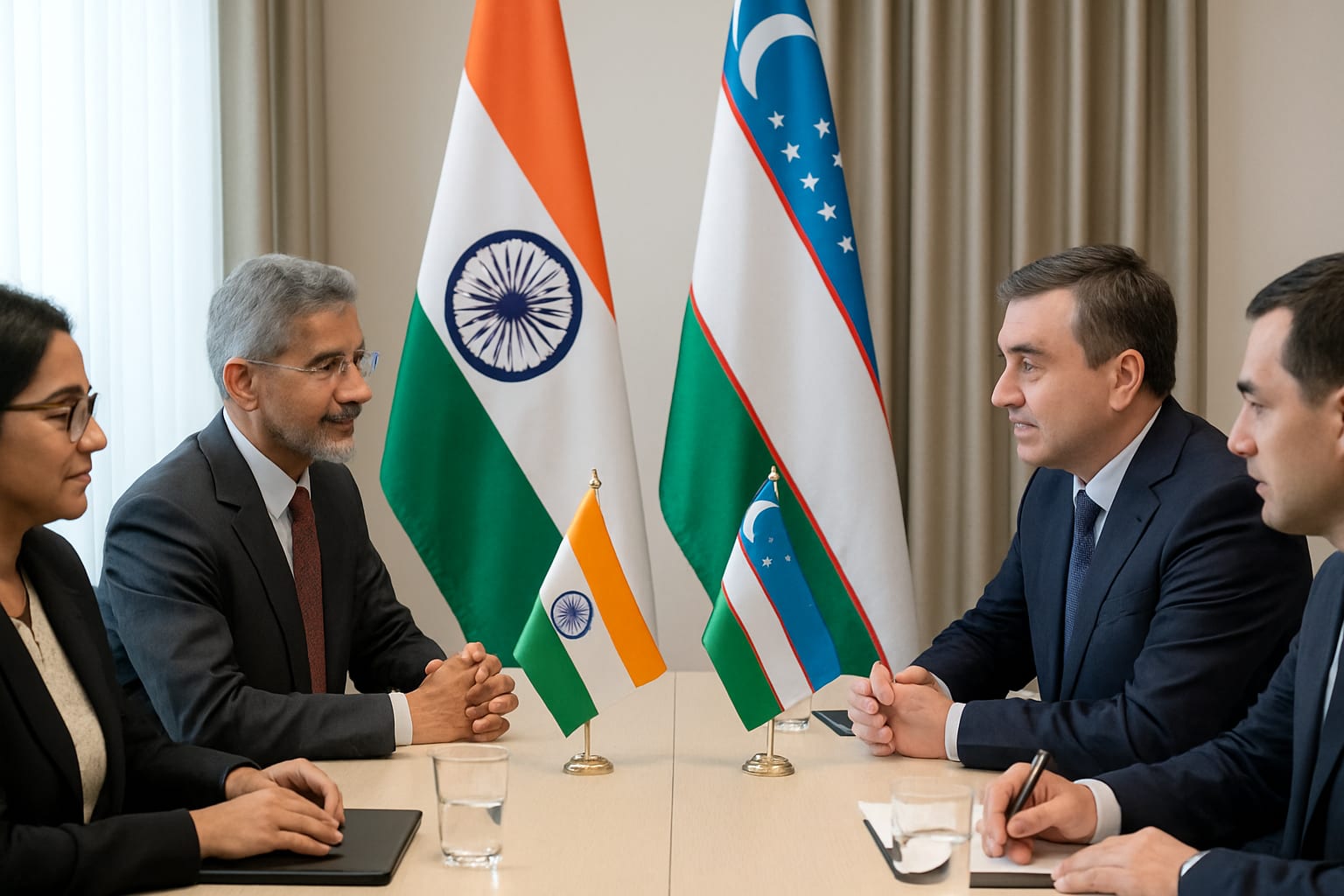
In a significant development for bilateral relations, India and Uzbekistan have formalized a long-term uranium supply agreement as part of Prime Minister Narendra Modi's recent state visit to Tashkent. This partnership marks a pivotal moment in enhancing cooperation in the fields of trade, energy, and defense between the two nations.
Strengthening Bilateral Ties
During his visit, PM Modi engaged in comprehensive discussions with Uzbek President Shavkat Mirziyoyev. The two leaders emphasized the importance of deepening ties across various sectors, particularly focusing on energy security and trade. The uranium deal is seen as a crucial step in supporting India’s growing energy demands, particularly in the context of its expanding nuclear energy program.
The Uranium Supply Agreement
The long-term uranium supply agreement is expected to facilitate a stable and secure source of uranium for India. This is particularly significant given India's ambitious plans to increase its nuclear power generation capacity in the coming years. The deal will not only ensure a steady flow of nuclear fuel but also represents a strengthening of economic ties between the two countries.
Uzbekistan, rich in natural resources, is one of the world’s leading producers of uranium. The country's strategic location and its commitment to enhancing energy cooperation with India make it a valuable partner in the region.
Recognition of Cooperation
During the visit, PM Modi was honored with Uzbekistan's prestigious ‘Oliy Darajali Do'stlik’ Order, recognizing his efforts to foster strong relations between India and Uzbekistan. This award signifies the high regard in which India is held by Uzbekistan and reflects the mutual respect and aspirations shared by both nations.
Broader Implications for Energy Security
India's need for uranium is underscored by its commitment to expanding its nuclear energy capabilities as part of its broader strategy to meet increasing energy demands and reduce reliance on fossil fuels. The agreement with Uzbekistan is poised to play a significant role in achieving these goals. By securing a long-term supply of uranium, India can enhance its energy security and contribute to its climate commitments.
Furthermore, this agreement may also pave the way for future collaborations in other energy sectors, including renewable energy and technology exchange, as both nations look to diversify their energy portfolios.
Trade and Defense Collaboration
In addition to the uranium deal, the talks between PM Modi and President Mirziyoyev covered various aspects of trade and defense cooperation. Both leaders expressed optimism about the potential for increasing trade volumes, which currently stand at around $2 billion. Plans for enhanced connectivity and direct trade routes were also discussed, aimed at facilitating smoother trade processes between the two nations.
On the defense front, India and Uzbekistan have been cooperating closely to enhance regional security. Joint military exercises and training programs have been established, reflecting a shared commitment to combating common security challenges, including terrorism and regional instability.
Regional Geopolitical Context
The agreement between India and Uzbekistan comes against a backdrop of shifting geopolitical dynamics in Central Asia. As nations like China and Russia increase their influence in the region, India is keen to bolster its presence and strengthen its relationships with Central Asian countries. The uranium deal not only underscores India's commitment to energy security but also represents a strategic move to counterbalance regional power dynamics.
Uzbekistan, for its part, benefits from a strengthened partnership with India, which can provide technological support and investment in various sectors beyond energy, including infrastructure and telecommunications.
Looking Ahead
The successful conclusion of the uranium supply agreement and the recognition of PM Modi’s efforts signify a new chapter in India-Uzbekistan relations. As both countries look to the future, the focus will likely remain on expanding cooperation across various sectors, including trade, energy, and defense.
With the global energy landscape evolving, India’s proactive approach in securing long-term uranium supplies is a testament to its strategic foresight. The partnership with Uzbekistan holds the promise of mutual benefits, setting a precedent for future collaborations in a rapidly changing world.
Overall, the visit by PM Modi and the subsequent agreements reached underscore the importance of sustained diplomatic engagement and cooperation in addressing shared challenges and leveraging opportunities for growth.
Comments (0)
Be the first to comment!