
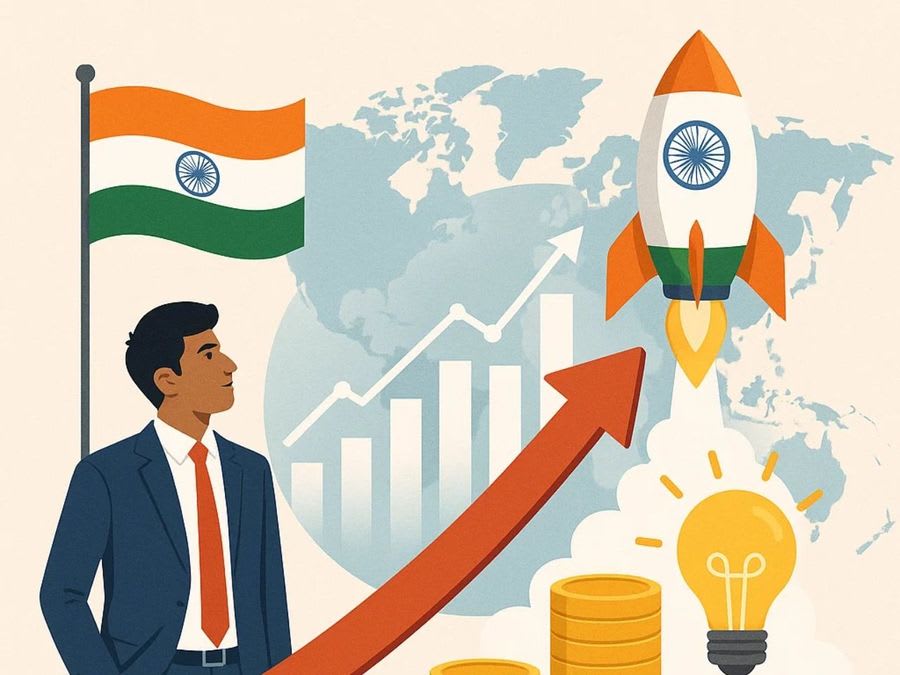
India has solidified its position as a major player on the global startup stage, recently emerging as the third-largest startup ecosystem in the world. This milestone reflects the rapid growth and innovation that has characterized the Indian entrepreneurial landscape in recent years.
Growth of the Startup Ecosystem
The rise of India’s startup ecosystem can be attributed to several factors including a large and youthful population, increasing internet penetration, and government initiatives aimed at fostering entrepreneurship. The country is home to thousands of startups across various sectors, including technology, healthcare, and agriculture.
According to industry reports, India is expected to continue its growth trajectory, aided by a combination of domestic and international investments. The startup ecosystem has attracted significant funding from venture capitalists and angel investors, highlighting the confidence in India’s potential as a hub for innovation.
Factors Contributing to Success
Diverse Talent Pool: India boasts a vast pool of skilled professionals, many of whom are tech-savvy and possess the entrepreneurial spirit. This talent is crucial for startups looking to innovate and expand.
Government Support: Initiatives like Startup India and Make in India have provided critical support through funding, mentorship, and regulatory reforms that encourage startup growth.
Digital Infrastructure: The rapid expansion of digital infrastructure has enabled startups to leverage technology effectively, enhancing their reach and operational efficiency.
Comparative Landscape
Globally, the United States and China hold the top two spots in terms of startup ecosystems. The U.S. is known for its Silicon Valley, a hub of innovation and venture capital, while China has seen a rapid evolution of its technology sector. However, India’s ascent reflects a significant shift in the global entrepreneurial landscape, showcasing its unique advantages and opportunities.
As India continues to grow, it faces challenges such as regulatory hurdles, access to funding for early-stage startups, and intense competition. Nonetheless, the resilience and adaptability of Indian entrepreneurs have been key factors in navigating these challenges.
The Future Outlook
The future of India’s startup ecosystem seems promising, with experts predicting a surge in new ventures and technological innovations. Sectors such as fintech, edtech, and healthtech are particularly poised for growth due to heightened demand and evolving consumer preferences.
Moreover, as global investors look for emerging markets, India’s vibrant startup culture is likely to attract even more attention and investment, further solidifying its position on the world stage.
Comments (0)
Be the first to comment!