
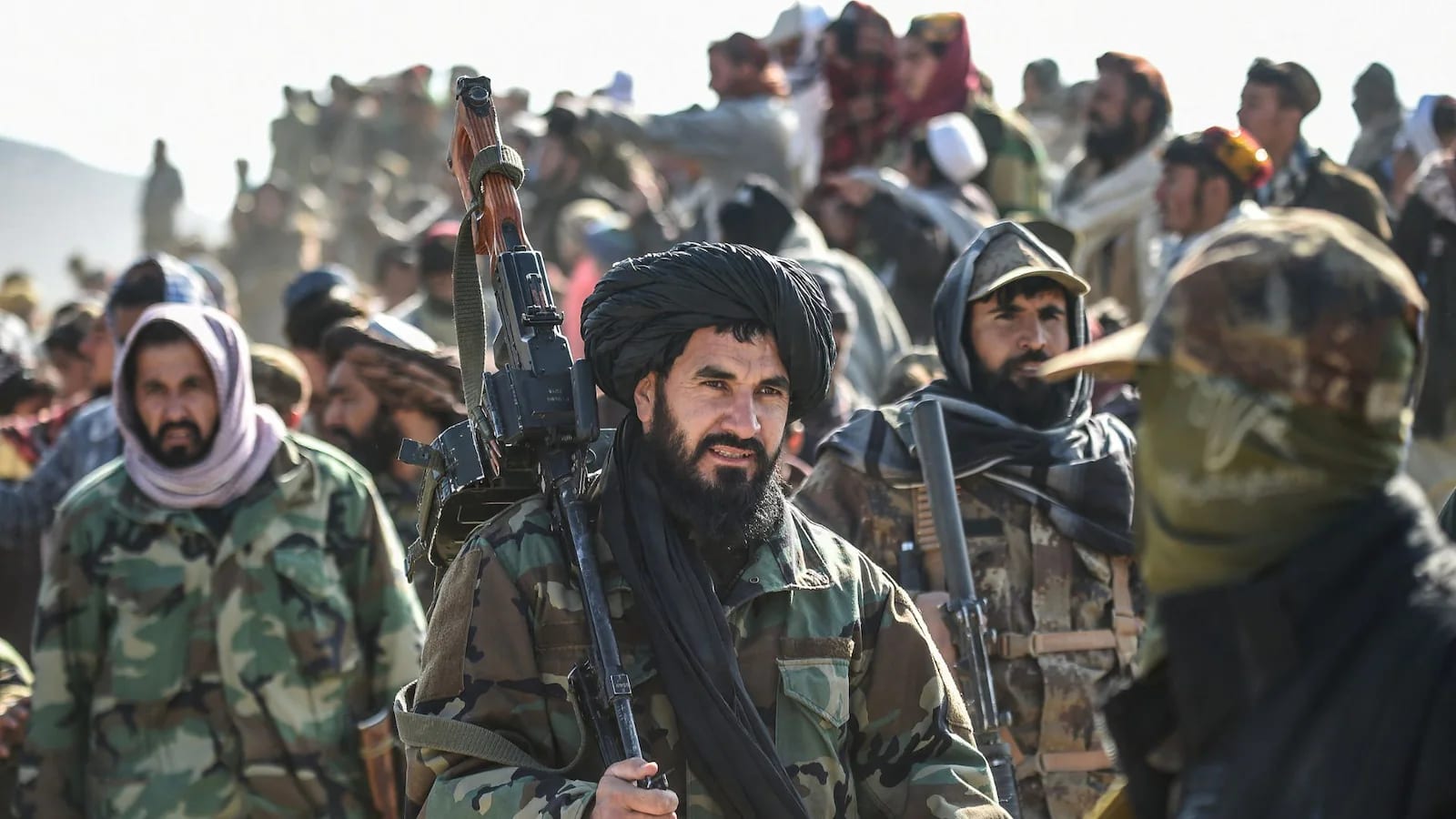
India has recently taken a significant step towards enhancing its diplomatic relations with the Taliban by joining in the celebrations of the group’s Victory Day. This development marks a notable shift in India's foreign policy regarding Afghanistan, as the country seeks to navigate the complex geopolitical landscape following the Taliban's return to power in August 2021.
Understanding the Context
The Taliban, having regained control over Afghanistan, has been striving to gain international recognition and legitimacy. The Victory Day commemorates the withdrawal of foreign troops from Afghanistan, which the Taliban views as a significant triumph. By participating in these celebrations, India is signaling a willingness to engage with the current regime in Afghanistan, which has been largely isolated on the world stage.
Historical Background
India's relationship with Afghanistan has historically been complex. Prior to the Taliban's resurgence, India had invested heavily in Afghanistan, supporting the previous democratic government through various developmental projects and diplomatic engagement. However, the return of the Taliban has posed new challenges for India, particularly regarding security concerns and the influence of neighboring Pakistan.
In the past, India had maintained a cautious stance towards the Taliban, especially during their initial rule in the late 1990s. India's primary concern has been the potential for terrorism and the impact of a Taliban-led government on regional stability. Over the years, India has also advocated for an inclusive Afghan government that represents all ethnic groups.
Recent Developments in India-Taliban Relations
India's participation in the Taliban's Victory Day celebrations comes amid a backdrop of changing diplomatic dynamics in the region. The shift indicates a more pragmatic approach by New Delhi, recognizing the need to engage with the Taliban to safeguard its interests, including humanitarian aid and the safety of Indian nationals in Afghanistan.
Moreover, this engagement allows India to maintain a foothold in Afghanistan, which is strategically important for its broader regional ambitions, including countering China's influence and ensuring a stable environment in South Asia.
Implications for Regional Geopolitics
The decision to participate in the Victory Day celebrations could have several implications for India and the broader region. Firstly, it may pave the way for more formal diplomatic ties between India and the Taliban, potentially leading to discussions on security, trade, and humanitarian assistance.
Additionally, this move might alter the perception of India among other regional players, including Pakistan and China. Both countries have been closely monitoring India's actions in Afghanistan, and a closer relationship with the Taliban could lead to further complications in India-Pakistan relations.
Challenges Ahead
Despite the apparent benefits of engaging with the Taliban, India faces several challenges. The Taliban's hardline policies, particularly regarding human rights and the treatment of women, remain a significant concern for many countries, including India. New Delhi will need to balance its diplomatic efforts with its commitment to human rights standards.
Furthermore, the security situation in Afghanistan remains precarious, with ongoing threats from various militant groups. India's engagement with the Taliban could expose it to risks, especially if the situation deteriorates further.
Comments (0)
Be the first to comment!