
Introduction
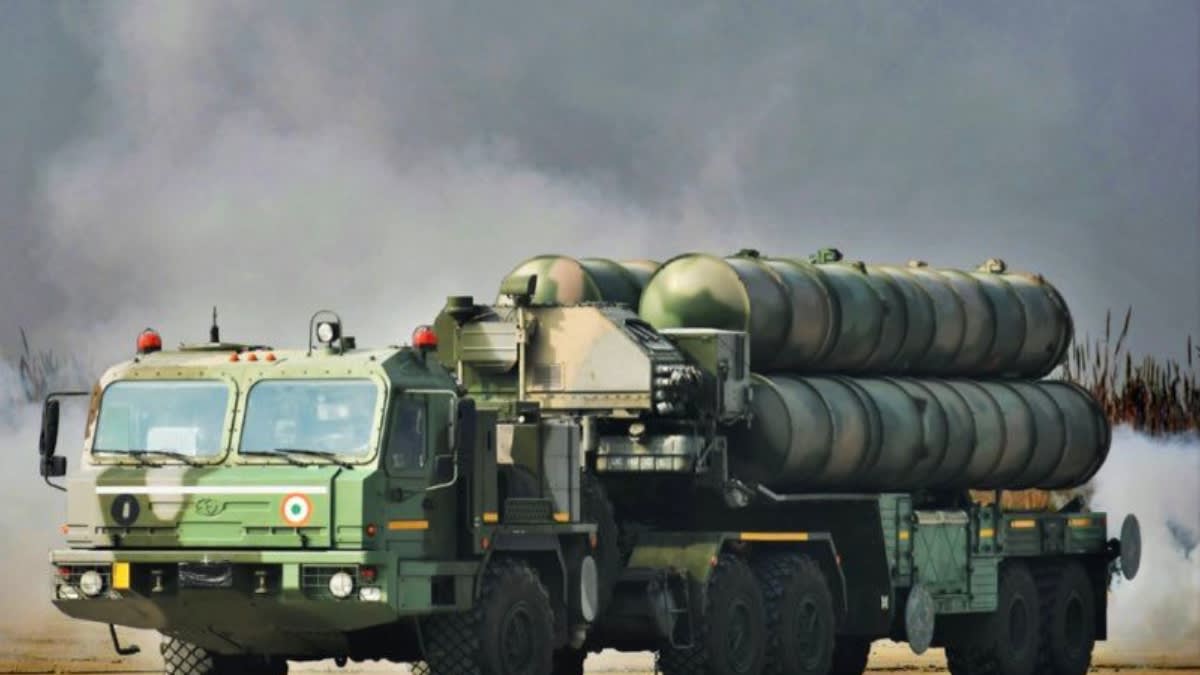
India is reportedly moving forward with plans to acquire five additional S-400 missile systems from Russia. This decision comes in the wake of a successful military operation, known as Op Sindoor, which has bolstered the Indian military's confidence in enhancing its air defense capabilities.
Background on the S-400 System
The S-400 Triumf is an advanced mobile air defense system developed by Russia, designed to detect, track, and engage multiple aerial threats including aircraft, drones, and ballistic missiles. With a range of around 400 kilometers, the S-400 is considered one of the most effective air defense systems in the world, offering capabilities that significantly enhance a nation's defense posture.
India initially signed a deal with Russia in 2018 for the procurement of five S-400 regiments, valued at approximately $5 billion. The first of these systems began deliveries in late 2021 and have since been operational, providing India with a substantial strategic advantage in air defense.
Op Sindoor: A Catalyst for Expansion
Op Sindoor, which translates to 'Operation Vermilion,' was a military exercise conducted by the Indian armed forces aimed at testing and validating the operational readiness of its air defense systems. The successful execution of this operation has demonstrated the effectiveness of the S-400 systems currently in service and has prompted Indian defense officials to consider bolstering their air defense capabilities further.
The operation's success has highlighted the importance of maintaining a robust air defense strategy, especially in light of evolving regional threats. As tensions persist with neighboring countries, the need for advanced defense systems has become increasingly critical.
Russia's Proposal and Strategic Partnership
In response to India's expressed interest in acquiring additional S-400 systems, Russia has sent a cost proposal for the new order. This proposal will be reviewed by Indian defense officials, who will assess the financial and strategic implications of the purchase.
The relationship between India and Russia in defense procurement has historically been strong, characterized by a series of significant deals over the decades. The S-400 acquisition is a testament to this partnership, reinforcing India's commitment to sourcing advanced military technology from Russia.
Implications of Additional Acquisitions
The acquisition of five more S-400 systems could have several implications for India's defense posture:
Enhanced Air Defense: The additional systems will increase the coverage and capability of India's air defense grid, allowing for better protection against various aerial threats.
Strategic Deterrence: By expanding its air defense capabilities, India can deter potential aggressors and enhance its strategic position in the region.
Regional Stability: Increased military capabilities may influence the security dynamics in South Asia, prompting neighboring countries to reassess their defense strategies.
Challenges Ahead
Despite the potential benefits of acquiring more S-400 systems, India faces several challenges:
Budget Constraints: The procurement of advanced military systems requires significant financial resources. India must balance its defense spending with other pressing needs.
Geopolitical Tensions: As India strengthens its military capabilities, it may face pushback from neighboring countries, particularly those that perceive this as a threat.
Dependence on Foreign Technology: Reliance on Russian military technology raises concerns about dependence on a single supplier, which could pose risks in the long term.
Comments (0)
Be the first to comment!