
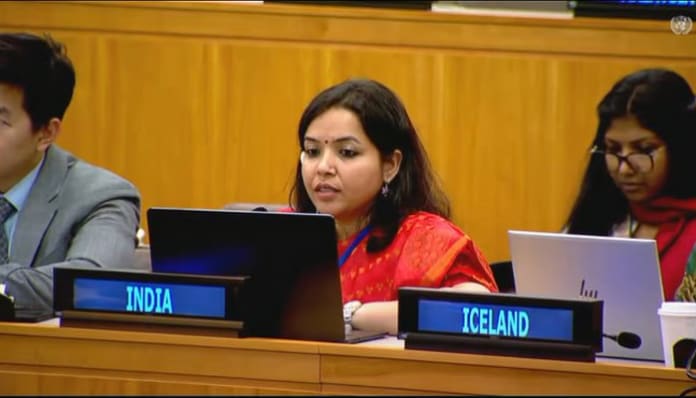
India has firmly opposed attempts to depict its democratic framework in a negative light during discussions at the United Nations. The Indian government emphasized the importance of verifying allegations before presenting them on such prominent global platforms.
Context of the Opposition
The stance comes amid ongoing international scrutiny and criticism of various aspects of Indian governance and civil liberties. India, recognized as the world's largest democracy, has expressed concern over what it perceives as unsubstantiated claims aimed at undermining its democratic credentials.
UN Discussions and Allegations
In recent sessions at the UN, certain member states have raised issues related to human rights and freedom of expression in India. These discussions often reference reports from various non-governmental organizations and media outlets. However, the Indian government argues that many of these allegations lack credible evidence and are often taken out of context.
Indian representatives have stated that any criticisms should be based on verified facts rather than uncorroborated claims. They argue that such an approach is crucial for maintaining the integrity of international dialogue and fostering mutual respect among nations.
India's Democratic Framework
India's democratic framework is enshrined in its Constitution, which guarantees fundamental rights to all citizens. The country has a multi-party system and regular elections, which are monitored by independent bodies. The Indian government asserts that these mechanisms are a testament to its commitment to democracy and human rights.
In recent years, India has faced various challenges, including protests against government policies and regional unrest. While these issues have drawn criticism, the Indian government maintains that such events are part of the democratic process and should not be misconstrued as failures of democracy.
International Relations and Image
The portrayal of India on international platforms is crucial for its diplomatic relations. The Indian government is keen on projecting a positive image, highlighting its achievements in economic development, social progress, and technological advancements. Officials argue that negative portrayals can have far-reaching consequences for the nation's global standing.
India's foreign policy strategy includes strengthening ties with other democracies and fostering partnerships that emphasize shared values. The government believes that unverified allegations can undermine these efforts and hinder constructive dialogue.
Response to Criticism
In response to the criticisms, Indian officials have called for a more nuanced understanding of its socio-political landscape. They urge the international community to recognize the complexities involved in governance and social dynamics within a diverse nation like India.
Furthermore, India has proposed that discussions on human rights and democracy should be approached with a spirit of cooperation rather than confrontation. This approach aims to build bridges and address concerns through dialogue and mutual understanding.
Inference
As debates continue at the UN regarding India's democratic practices, the Indian government remains resolute in defending its record. By emphasizing the need for verified information and respectful discourse, India seeks to safeguard its image as a robust democracy committed to upholding the rights and freedoms of its citizens.
Comments (0)
Be the first to comment!