
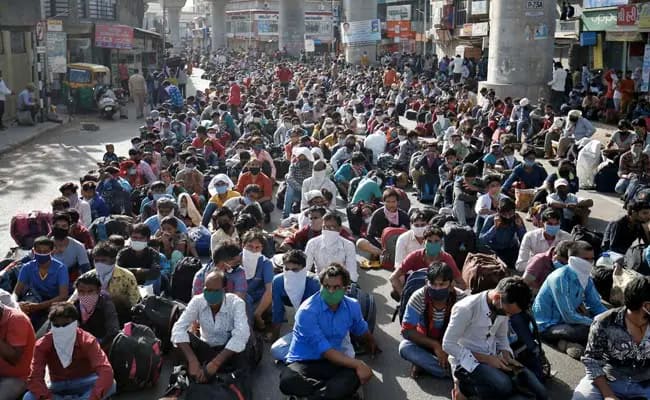
India has reported a decline in unemployment rates in recent months, suggesting an improvement in the labor market. However, this positive trend raises significant concerns about the quality of employment available to the workforce. While many people are finding jobs, the nature of these jobs often lacks the stability, benefits, and security that define 'decent work.'
Current Employment Landscape
Recent statistics indicate that India's unemployment rate has decreased, reflecting a gradual recovery from the economic impacts of the COVID-19 pandemic. Many sectors, particularly agriculture and services, have shown signs of growth, contributing to this reduction in unemployment. Nevertheless, the focus on sheer numbers can be misleading, as many of these jobs do not meet the standards of decent work as defined by the International Labour Organization (ILO).
Defining ‘Decent Work’
'Decent work' is characterized by several factors, including fair wages, safe working conditions, and rights to social protection and representation. In India, a significant proportion of the workforce is engaged in informal employment, which often lacks these essential qualities. Workers in this sector frequently face job insecurity, inadequate pay, and a lack of access to essential benefits such as healthcare and retirement plans.
Challenges in the Job Market
Informal Sector Dominance: A large percentage of Indian workers are employed in the informal sector, which is often characterized by low pay and poor working conditions.
Gender Disparity: Women continue to face challenges in the labor market, with lower participation rates and higher vulnerability to job loss.
Skill Mismatch: Many job seekers lack the skills required for available positions, leading to underemployment and frustration among the workforce.
Government Initiatives and Reforms
The Indian government has implemented several programs aimed at improving employment quality. Initiatives such as the Pradhan Mantri Rojgar Protsahan Yojana (PMRPY) aim to incentivize companies to create jobs that offer social security benefits. Additionally, the government is focusing on skill development programs to bridge the gap between job seekers and market demands.
The Role of Private Sector
As the Indian economy continues to evolve, the private sector plays a crucial role in shaping employment quality. Companies are increasingly expected to provide better working conditions and fair wages to attract and retain talent. There is a growing awareness among businesses regarding the benefits of investing in employee welfare, which not only enhances productivity but also contributes to a positive corporate image.
Looking Ahead
While the reduction in unemployment rates is a positive development, the focus must shift towards ensuring that the jobs created are of good quality. Policymakers, businesses, and civil society need to work collaboratively to address the existing gaps in the labor market. By prioritizing decent work, India can foster a more inclusive and sustainable economic growth model.
In Inference, as the nation navigates its post-pandemic recovery, the emphasis should be on not just creating more jobs, but ensuring that these jobs meet the standards of decent work. This will be vital for improving overall living standards and achieving broader economic objectives.
Comments (0)
Be the first to comment!