
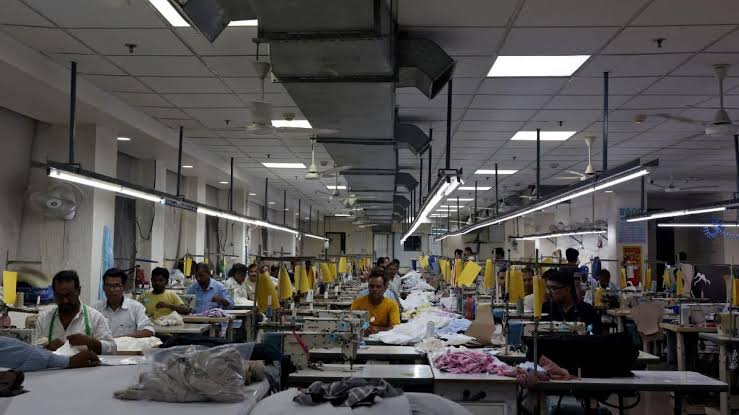
The garment industry in India is undergoing a significant reassessment of its reliance on the United States market, following recent changes in tariff regulations that have affected trade dynamics. With a considerable portion of their exports directed towards the US, Indian manufacturers are now contemplating alternative markets and supply chain strategies.
Impact of Tariff Changes
In recent months, the US government has implemented new tariffs that have elevated costs for Indian garment exporters. These changes have sparked a wave of concern within the industry, compelling many manufacturers to evaluate the sustainability of their current business models. The increased tariffs have made Indian garments less competitive in a market that is already characterized by intense competition from other countries, particularly China, Bangladesh, and Vietnam.
Shifting Focus to Alternative Markets
In light of the tariff shock, many Indian garment makers are now exploring opportunities in markets beyond the US. Countries in Europe, Australia, and the Middle East are emerging as potential new destinations for Indian garments. By diversifying their export markets, manufacturers hope to mitigate the financial impact of reliance on a single market.
Industry experts suggest that this shift could lead to a more resilient supply chain, allowing manufacturers to adapt more swiftly to future changes in trade policies. As these companies look to expand their global footprint, they are also considering the unique demands and preferences of consumers in these emerging markets.
Investing in Technology and Innovation
To enhance competitiveness in the global market, Indian garment manufacturers are increasingly investing in technology and innovation. This includes adopting advanced manufacturing techniques, utilizing automation, and integrating sustainable practices into their production processes. By improving efficiency and reducing costs, these companies aim to maintain their edge in the face of rising tariffs and evolving consumer preferences.
Challenges Ahead
Despite the proactive measures being taken, the industry is not without its challenges. The transition to new markets can be fraught with difficulties, including understanding local regulations, consumer behavior, and establishing reliable distribution channels. Additionally, fluctuations in global trade policies and economic conditions can further complicate efforts to diversify.
Moreover, the Indian garment sector is heavily reliant on raw materials, many of which are sourced from international markets. Any disruptions in supply chains could impact production capabilities and ultimately affect export volumes.
Government Support and Policy Initiatives
In response to the evolving landscape, the Indian government has recognized the need to support the garment industry through various initiatives. This includes providing incentives for technology upgrades, facilitating access to new markets, and promoting sustainable practices. By fostering a conducive environment for growth, the government aims to enhance the competitiveness of Indian garments on the global stage.
Comments (0)
Be the first to comment!