
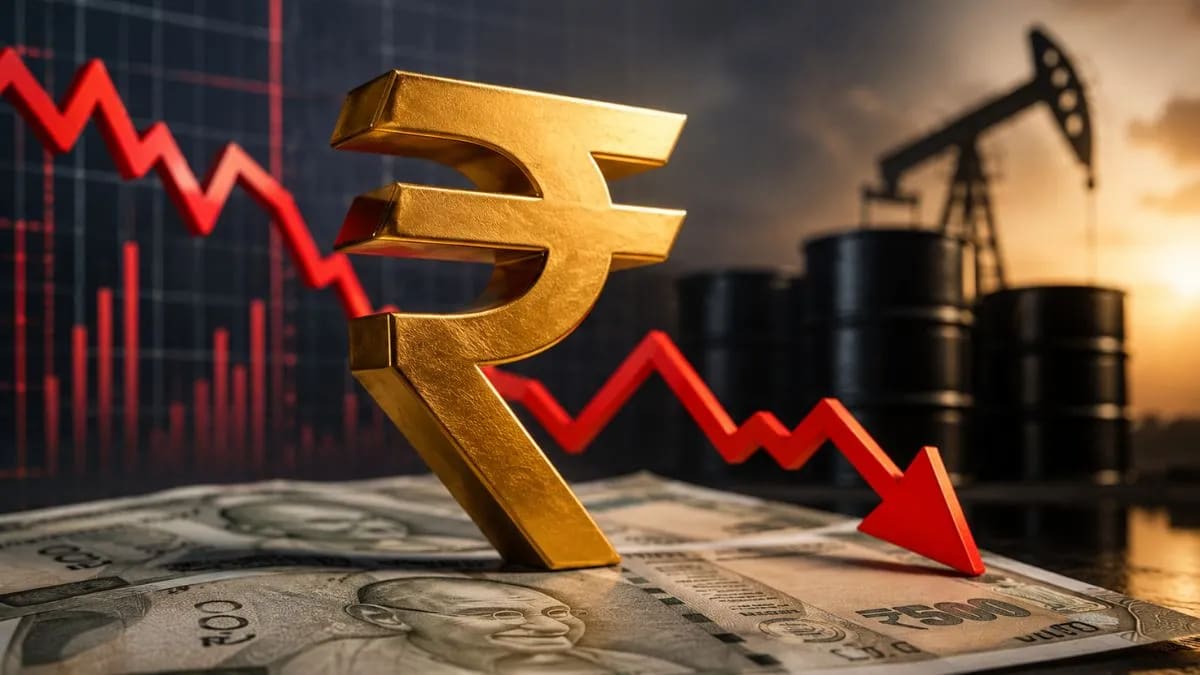
The Indian rupee is expected to see an upward trend as global oil prices decline, coupled with a significant unwinding of artificial intelligence-related trades in the financial markets. This combination of factors is likely to bolster the rupee's position against major currencies in the coming weeks.
Impact of Oil Prices on Currency Strength
Oil prices have a direct correlation with the Indian economy, primarily due to India's heavy reliance on oil imports. Recent reports indicate a drop in oil prices, which bodes well for the rupee. A decrease in oil prices generally leads to a reduction in the current account deficit, enhancing the overall strength of the Indian currency.
As oil prices fall, the cost of imports decreases, thereby improving trade balances. This can lead to increased foreign investment as the economic outlook brightens. Analysts predict that if the trend continues, it could significantly improve the rupee's exchange rate against the US dollar and other currencies.
Unwinding of AI Trades
In addition to the oil price dynamics, the financial market is currently experiencing an unwinding of trades related to artificial intelligence. This comes as investors reassess their positions in technology stocks, which had seen inflated valuations during the AI boom. The adjustment in these investments could lead to a shift in capital flows, positively impacting the rupee.
As traders move away from overvalued stocks, there is potential for increased liquidity in the market. This adjustment may also support the rupee as investors seek safer assets, thus driving demand for the Indian currency.
Market Reactions and Predictions
Market analysts are closely monitoring the situation, with many expressing optimism about the rupee's future performance. The combination of stabilizing oil prices and the recalibration of investments in AI is seen as a perfect storm for the rupee's appreciation.
Furthermore, the Reserve Bank of India (RBI) may also play a role in managing the currency's value through monetary policy adjustments, depending on how these trends evolve. The central bank has previously intervened in currency markets to maintain stability, and it continues to be a key player in the rupee's valuation.
Global Context
On a global scale, the performance of the Indian rupee is also influenced by various external factors, including geopolitical tensions, global economic indicators, and central bank policies in other nations. As the world grapples with inflationary pressures and economic slowdowns, the Indian economy's resilience can offer a silver lining.
Countries that are major trading partners with India will also impact the rupee's strength, particularly if they face economic challenges. For instance, fluctuations in the US dollar's strength can have immediate repercussions for the rupee, making it essential for investors to stay informed about global trends.
Comments (0)
Be the first to comment!