
Introduction
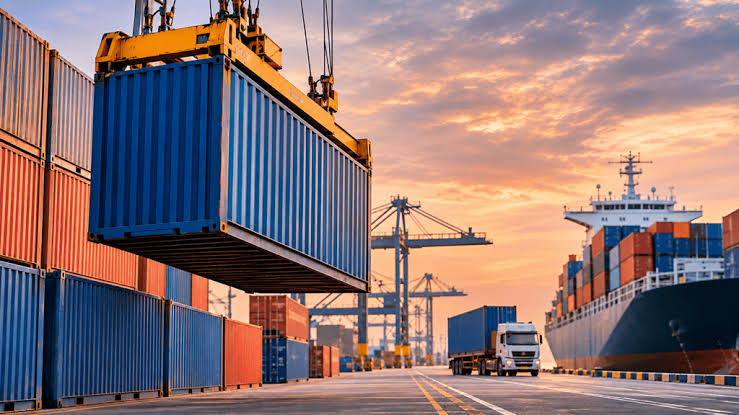
India is set to invest ₹10,000 crore (approximately $1.2 billion) in the manufacturing of shipping containers, a strategic move aimed at bolstering the nation’s logistics and trade capabilities. This investment is part of a broader initiative to enhance domestic manufacturing and reduce dependence on imports, particularly in the wake of global supply chain disruptions.
The Rationale Behind the Investment
The decision to allocate such a significant amount toward container manufacturing stems from several key factors:
Supply Chain Resilience: The COVID-19 pandemic exposed vulnerabilities in global supply chains, leading to delays and increased costs. By investing in local container production, India aims to ensure a more resilient supply chain.
Boosting Domestic Manufacturing: This initiative aligns with the "Make in India" campaign, which encourages domestic production and aims to create jobs. Manufacturing containers locally can stimulate the economy and contribute to self-sufficiency.
Reducing Import Dependency: Currently, a substantial portion of shipping containers used in India is imported. Local manufacturing can minimize this dependency, leading to cost savings and faster access to containers.
Current State of Container Manufacturing in India
Traditionally, India has lagged in container manufacturing, with most containers being produced overseas, particularly in countries like China. This has created challenges for Indian shipping companies and exporters who often face delays and higher costs associated with imported containers.
As of now, India's container market is largely dominated by foreign manufacturers. The government’s investment aims to change this dynamic by fostering local production capabilities through incentives and support for private companies to set up manufacturing units.
Economic Implications
This investment in shipping container manufacturing is expected to have several economic implications:
Job Creation: The establishment of container manufacturing facilities is anticipated to create thousands of jobs, both directly in manufacturing and indirectly in related sectors such as logistics, transportation, and supply chain management.
Cost Efficiency: By producing containers domestically, shipping costs may decrease, benefiting exporters and importers alike. This could enhance India's competitiveness in international trade.
Increased Trade Volume: With a more reliable supply of containers, businesses may find it easier to scale operations and enter new markets, potentially leading to increased trade volumes.
Challenges Ahead
Despite the potential benefits, the initiative faces several challenges:
Investment and Infrastructure: Establishing manufacturing plants requires significant investment in infrastructure and technology. Ensuring that these facilities are equipped to meet international standards will be crucial.
Market Competition: Competing with established international manufacturers will be a significant challenge. Indian manufacturers will need to innovate and maintain quality to gain market share.
Regulatory Hurdles: Navigating India's complex regulatory environment can be a barrier for new manufacturing ventures. Streamlining these regulations will be essential for success.
Comments (0)
Be the first to comment!