
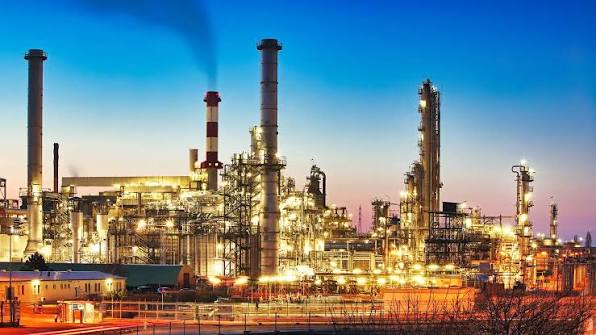
Introduction to India's Refining Sector
In recent years, India has emerged as one of the world's leading players in the oil refining industry. With a significant increase in refining capacity and technological advancements, the country is positioning itself as a crucial hub for oil processing and distribution. This development not only strengthens India's energy security but also enhances its influence in the global oil market.
Expansion of Refining Capacity
India's refining sector has seen remarkable growth, with several new projects and expansions of existing facilities. Major oil companies, both public and private, have invested heavily in enhancing their refining capacities. As of now, India ranks among the top five refiners globally, with a combined refining capacity that continues to expand.
Refineries in India are not only focused on catering to domestic demand but are also geared towards exporting refined petroleum products to international markets. This dual focus helps in stabilizing the domestic oil supply while generating foreign exchange through exports.
Technological Advancements
The Indian refining industry has embraced modern technologies to improve efficiency and reduce environmental impact. Refineries are increasingly adopting advanced techniques, such as hydrocracking and fluid catalytic cracking, which enhance output quality and reduce emissions. These innovations are vital in meeting stricter environmental regulations and responding to global shifts toward sustainability.
Strategic Importance in Global Markets
India's strategic location plays a pivotal role in its refining operations. Situated along major shipping routes, Indian refineries can easily access crude oil supplies from the Middle East, Africa, and other regions, making them competitive players in global markets. The country's refining prowess is not just a matter of capacity but also of reliability and consistent quality in product delivery.
Moreover, India is increasingly seen as a key player in the Asia-Pacific region, where demand for refined products is on the rise. The government’s initiatives to promote infrastructure development and investment in the energy sector further bolster India's position as a global refinery hub.
Challenges Facing the Industry
Despite the growth, the Indian refining sector faces several challenges. Fluctuating crude oil prices, regulatory hurdles, and competition from other refining countries, such as China and the United States, present ongoing obstacles. Additionally, the need to transition towards cleaner energy sources is pressing, as global markets shift towards sustainability and reduced carbon footprints.
Government Support and Future Prospects
The Indian government has introduced various policies to support the refining sector, including tax incentives and investment in infrastructure. These measures are intended to attract both domestic and foreign investments, ensuring that India can maintain its competitive edge in the global refining landscape.
Looking ahead, the future of India's refining industry appears promising. With continued investment in technology and infrastructure, coupled with a focus on sustainability, India is poised to strengthen its position as a leading global refinery hub, capable of meeting both domestic needs and international demand.
Inference
India's ascent as a global refining powerhouse highlights its strategic importance in the international oil market. As the country continues to expand its refining capabilities and embraces technological advancements, it stands at the forefront of the global energy transition. With supportive government policies and a commitment to sustainability, India is well-positioned to navigate the challenges ahead and capitalize on opportunities in the dynamic energy landscape.
Comments (0)
Be the first to comment!