
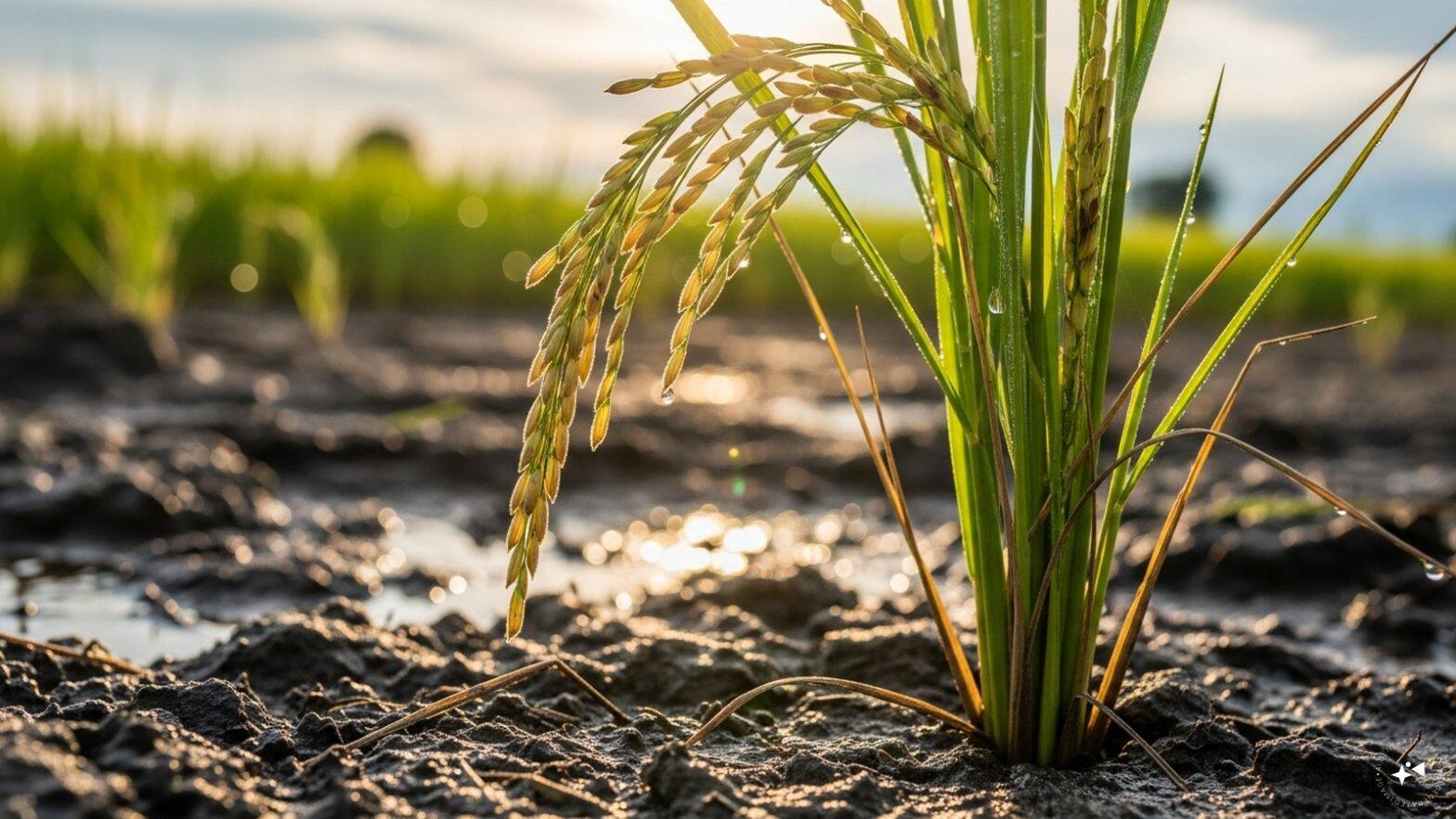
India's rice economy is currently at a crossroads, with rising challenges regarding water usage, environmental sustainability, and market dynamics. As one of the largest producers of rice globally, the country faces a dual challenge: boosting exports while ensuring sustainable agricultural practices.
The Importance of Rice in India
Rice is not only a staple food for a significant portion of the Indian population but also a crucial crop for the country’s economy. It accounts for a substantial share of agricultural GDP and is a primary source of livelihood for millions of farmers. In recent years, the Indian government has aimed to enhance rice exports, tapping into the global market to increase revenue. However, this ambition must be balanced against environmental concerns and the sustainable use of resources.
Water Usage and Virtual Water Concept
One of the pressing issues in India's rice production is water consumption. Rice cultivation is water-intensive, and India has been facing severe groundwater depletion in several regions due to over-extraction. The concept of 'virtual water'—the water embedded in food and agricultural products—highlights the hidden cost of water in trade. When India exports rice, it is indirectly exporting significant amounts of water, raising questions about water sustainability and food security.
Experts argue that with the increasing demand for rice, it is imperative to reconsider water usage in agricultural practices. Strategies such as improving irrigation efficiency, adopting drought-resistant rice varieties, and implementing water conservation techniques can help mitigate the pressure on water resources.
Environmental Emissions from Rice Cultivation
Rice paddies are also significant sources of methane emissions, a potent greenhouse gas. As climate change continues to pose threats globally, the rice sector must address its environmental impact. Sustainable agricultural practices, such as alternate wetting and drying (AWD) methods, can reduce methane emissions while maintaining rice yields. Transitioning to less-emission-intensive farming practices is essential for aligning rice production with environmental goals.
Policy Initiatives and Challenges
The Indian government has initiated various policies aimed at enhancing agricultural sustainability, but challenges remain. The need for supportive infrastructure, research into sustainable agricultural practices, and education for farmers are critical. Policymakers must also consider the socio-economic implications of transitioning to more sustainable practices, ensuring that farmers are not adversely affected.
Furthermore, the balance between local consumption and exports must be carefully managed. The government aims to boost rice exports to enhance foreign exchange earnings, but this should not compromise local food security. Achieving a balance that satisfies both domestic and international demands is vital for the health of the economy.
Future Directions for India's Rice Economy
Looking ahead, India's rice economy must embrace innovative approaches to tackle the pressing issues of water scarcity and emissions. Collaborative efforts between the government, agricultural researchers, and farmers are essential to develop sustainable practices that ensure food security while protecting the environment.
Investing in agri-tech solutions that support efficient water use.
Promoting awareness among farmers about sustainable practices.
Enhancing market access for sustainably produced rice.
Comments (0)
Be the first to comment!