
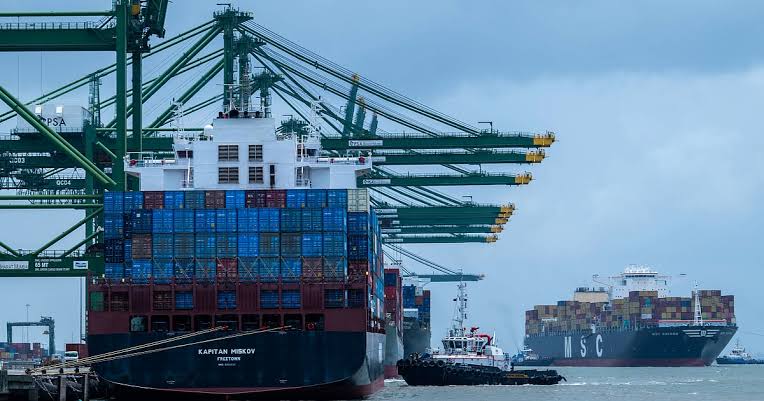
India's ambitious Rs 10,000 crore container manufacturing scheme, aimed at bolstering local production and reducing dependence on imports from China, appears to be falling short of its objectives. Launched with high hopes, the initiative intended to stimulate domestic manufacturing and create a self-reliant supply chain for containers.
Background of the Container Scheme
In an effort to enhance India's manufacturing capabilities and reduce import reliance, the government introduced the container scheme as part of its broader 'Make in India' initiative. This program was designed to encourage domestic companies to produce containers, which are essential for transporting goods, thereby fostering local job creation and economic growth.
Current State of Container Manufacturing
Despite significant investment and a well-defined framework, the container manufacturing sector in India has not progressed at the anticipated pace. Industry experts suggest that several underlying issues hinder the scheme's success. One of the primary factors is the dominance of Chinese manufacturers in the global container market, which has made it challenging for Indian producers to compete effectively.
Cost Competitiveness: Chinese manufacturers benefit from economies of scale, enabling them to offer competitive pricing that Indian producers struggle to match.
Quality and Standards: Global supply chains often favor products that meet stringent international quality standards, a benchmark that Indian manufacturers are still working to achieve.
Infrastructure Challenges: The lack of adequate infrastructure for manufacturing and logistics in India adds to the operational costs and inefficiencies faced by local producers.
Global Market Dynamics
India's container manufacturing sector is not just competing with China but also with other global players. The international container manufacturing market is heavily influenced by China's production capabilities and pricing strategies. As a result, Indian manufacturers find it difficult to carve out a significant market share.
The global supply chain crisis, exacerbated by the COVID-19 pandemic, has highlighted the vulnerabilities in relying on a limited number of suppliers. While this has led to some reconsideration of supply chains, the transition to local manufacturing is a complex process that requires time and investment.
Government's Role and Future Prospects
To truly reduce dependence on China, experts suggest that the Indian government needs to implement additional supportive measures. These could include:
Subsidies and Financial Incentives: Providing financial support to local manufacturers could enhance their competitiveness.
Research and Development Grants: Encouraging innovation through R&D can help improve product quality and reduce production costs.
Trade Policies: Revisiting trade agreements to impose tariffs on imported containers could level the playing field for domestic manufacturers.
Comments (0)
Be the first to comment!