
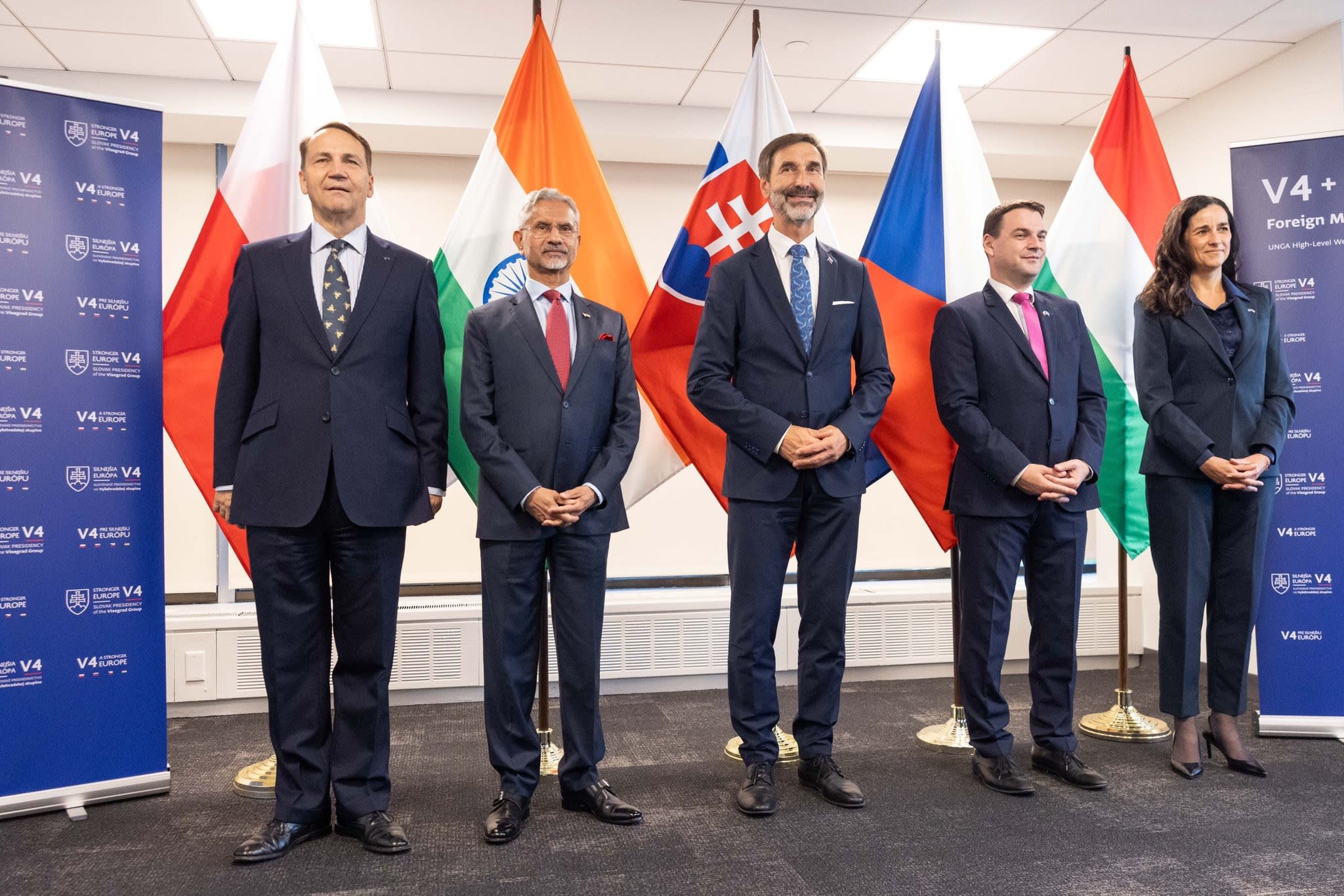
India's diplomatic efforts have increasingly turned towards Central Europe, a region that holds significant potential for both economic collaboration and geopolitical strategy. As India seeks to bolster its influence on the global stage, the relationship with Central European nations becomes paramount, especially given the evolving dynamics of international relations.
Understanding Central Europe's Significance
Central Europe, comprising countries like Poland, Hungary, Czech Republic, and Slovakia, has emerged as a critical player in the European Union and the global economy. These nations are characterized by their rapid economic growth, strategic geographical location, and a commitment to democratic values. Their involvement in the EU provides them with a platform to influence policies on the continent, making them valuable partners for India.
Economic Ties and Trade Potential
The economic relationship between India and Central Europe has gained momentum in recent years. Bilateral trade has expanded, with Indian companies investing in various sectors, including information technology, pharmaceuticals, and manufacturing. Central European nations, on the other hand, are looking to India as a potential market for their products and services.
Moreover, India's "Make in India" initiative aligns well with the manufacturing capabilities of Central Europe. By leveraging each other’s strengths, both regions can create a robust economic partnership that promotes innovation and job creation.
Geopolitical Considerations
India's relationship with Central Europe is not merely economic. It is also influenced by broader geopolitical dynamics. As India seeks to counterbalance China's growing influence in the region, strengthening ties with Central European countries can serve as a strategic maneuver. Additionally, with Central Europe being a part of the EU, India's engagement can enhance its visibility and influence within European politics.
Furthermore, the ongoing geopolitical tensions between Russia and Western nations have made Central Europe a focal point for international diplomacy. India's neutral stance on various global issues allows it to act as a mediator and a bridge between different blocs, which can be beneficial for both India and its Central European partners.
Cultural and Educational Exchanges
Beyond economic and political ties, cultural exchanges play a significant role in enhancing bilateral relationships. India and Central European countries have seen an increase in collaboration in education, arts, and culture. Student exchange programs and academic collaborations are paving the way for deeper mutual understanding and respect.
The promotion of Indian culture through festivals, art exhibitions, and culinary events has also contributed to strengthening people-to-people ties. These cultural initiatives foster goodwill and create a positive image of India in Central Europe, further solidifying the partnership.
Challenges Ahead
Despite the promising potential for collaboration, several challenges remain. Differences in political ideologies, historical contexts, and economic priorities can complicate negotiations and partnership agreements between India and Central European countries. Additionally, the competition from other global powers seeking to establish ties with Central Europe adds another layer of complexity to India's diplomatic efforts.
Moreover, the ongoing effects of the COVID-19 pandemic have led to economic uncertainties, which might affect investment and trade flows. India needs to navigate these challenges carefully while maintaining a proactive approach to its engagement with Central Europe.
Comments (0)
Be the first to comment!