
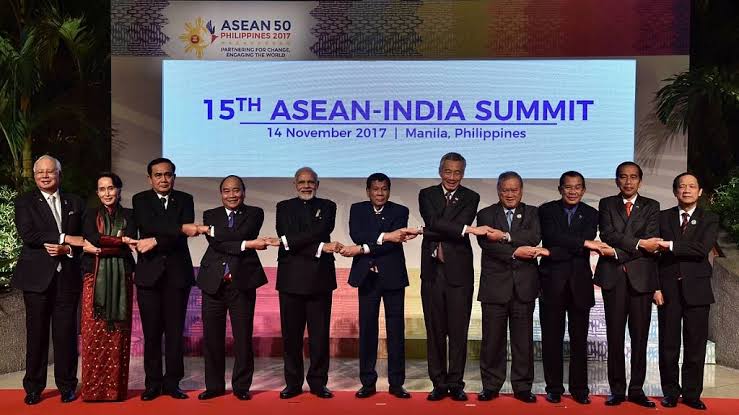
The recent ASEAN Summit held in Manila has emerged as a pivotal platform for India to reinforce its strategic interests in the Indo-Pacific region. As nations navigate a complex geopolitical landscape marked by evolving power dynamics, India's engagement with ASEAN countries has taken on heightened significance.
Strengthening Diplomatic Ties
India's active participation in the summit underscores its commitment to fostering stronger diplomatic relations with Southeast Asian nations. The forum provides an opportunity for India to articulate its vision for a free, open, and inclusive Indo-Pacific, a region increasingly crucial for global trade and security.
During the summit, discussions focused on various issues, including regional security, economic cooperation, and climate change. India's Prime Minister emphasized the importance of collaborative efforts among ASEAN members and India to address these challenges collectively.
Economic and Security Partnerships
India's economic ties with ASEAN have been growing, with trade relationships expanding significantly over the past decade. The ASEAN-India Free Trade Area, established in 2010, has facilitated increased trade in goods and services, positioning India as a key player in the region.
Moreover, security cooperation has been a focal point of India's strategy in the Indo-Pacific. The summit provided an opportunity for India to reaffirm its commitment to regional security initiatives, including maritime security and counter-terrorism efforts. The Indian Navy's increasing presence in the Indo-Pacific waters is a testament to this commitment.
Countering Regional Challenges
The geopolitical landscape of the Indo-Pacific is characterized by rising tensions, particularly concerning maritime disputes and territorial claims. India, through its engagement with ASEAN, aims to counterbalance influences from larger powers and promote stability in the region.
Collaboration on security issues, such as freedom of navigation and overflight in international waters, is crucial for maintaining peace. The ASEAN Summit served as a platform for India to align its security objectives with those of its Southeast Asian partners, fostering a united front against common threats.
Addressing Climate Change and Sustainable Development
In addition to security and economic discussions, the summit also highlighted the pressing issue of climate change. India has been vocal about its commitment to sustainable development and climate action, recognizing the impact of environmental changes on regional stability.
Collaborative efforts in renewable energy, disaster management, and sustainable practices were emphasized as essential components of ASEAN-India relations. The summit provided a venue for discussing joint initiatives that could lead to substantial progress in combating climate-related challenges.
The Future of ASEAN-India Relations
The outcomes of the ASEAN Summit in Manila are expected to shape the future trajectory of India’s relations with ASEAN countries. As the region faces multifaceted challenges, India’s role is likely to expand, with a focus on enhancing cooperation across various sectors.
India will need to balance its strategic relationships with ASEAN alongside its ties with other global powers. The dynamics of international relations in the Indo-Pacific will continue to evolve, making India’s active participation in forums like ASEAN crucial for its national interests.
Comments (0)
Be the first to comment!