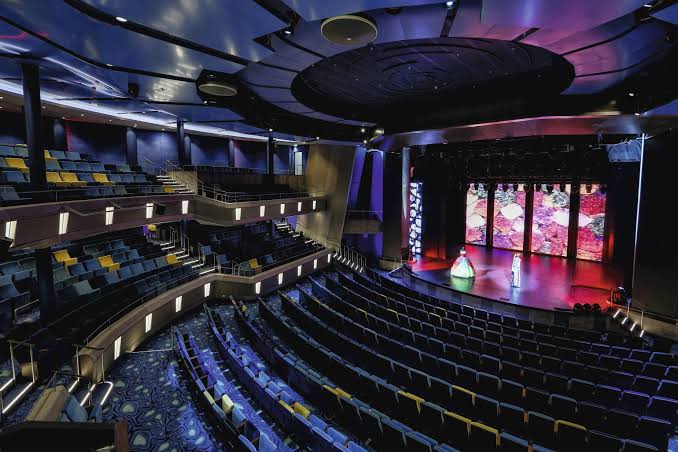
Entertainment on cruise ships is a crucial aspect of the overall passenger experience, significantly impacting their enjoyment and satisfaction. As the cruise industry continues to evolve, so does the approach to selecting theatre shows that cater to diverse audiences.
The Importance of Entertainment on Cruises
For many travelers, a cruise is not just about visiting new destinations but also about enjoying onboard entertainment. Theatres on cruise ships serve as venues for various performances, including musicals, comedy shows, and live music, providing guests with memorable experiences during their voyages.
Understanding Audience Preferences
One of the primary factors in selecting theatre shows is understanding the preferences of the cruise ship passengers. Entertainment managers conduct research to identify popular genres and themes that resonate with their audience. This often involves analyzing demographics, including age groups, cultural backgrounds, and interests.
For instance, family-friendly shows might be prioritized during family vacation seasons, while more sophisticated productions may be scheduled for adult-only cruises. By tailoring the entertainment offerings, cruise lines can enhance guest satisfaction and encourage repeat bookings.
Collaboration with Creative Teams
The selection process also involves collaboration with creative teams, including writers, directors, and choreographers. These professionals bring their expertise to the table, crafting shows that are not only entertaining but also logistically feasible for a cruise setting. The unique nature of cruise ship performances often requires adapting traditional theatre productions to fit the constraints of the ship's facilities and schedule.
Creative teams are tasked with ensuring that performances are engaging and dynamic, taking into account the limited stage space and the need for quick set changes. This collaboration is crucial in developing original content or adapting existing works for the cruise environment.
Evaluating Show Viability
Once potential shows are identified, the next step is to evaluate their viability. This includes assessing production costs, available resources, and the potential return on investment. Cruise lines must consider factors such as cast and crew expenses, set design, and the overall budget allocated to entertainment.
Additionally, the scheduling of shows is a critical consideration. Cruise itineraries can be busy, and shows must be strategically placed to maximize attendance without conflicting with other onboard activities. This careful planning ensures that all guests have the opportunity to enjoy the performances.
Feedback and Adaptation
Another essential aspect of the decision-making process is gathering feedback from passengers. Cruise lines often conduct surveys or engage with guests to understand their preferences and experiences. This feedback can lead to adjustments in the entertainment lineup, ensuring that it remains relevant and appealing to future audiences.
Incorporating passenger feedback not only helps in refining the show selection but also fosters a sense of engagement and community among guests, enhancing their overall cruise experience.
Inference
The process of selecting theatre shows for cruise ships is a multifaceted endeavor that combines audience analysis, creative collaboration, and logistical planning. As the cruise industry grows and evolves, the importance of high-quality entertainment remains a key component in attracting and retaining passengers. By understanding their audience and adapting to changing trends, cruise lines can ensure that their theatre offerings continue to delight guests on the high seas.
Comments (0)
Be the first to comment!