
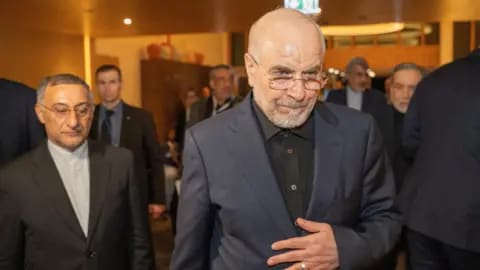
The diplomatic relationship between Iran and the United States has faced significant challenges over recent years, particularly in light of shifting political landscapes and evolving foreign policies. In a recent statement, Iran's chief negotiator has expressed grave concerns about the potential consequences of any further errors in judgment by the US government, particularly under the leadership of former President Donald Trump.
Context of US-Iran Relations
The relationship between the US and Iran has been tumultuous since the 1979 Iranian Revolution, which led to the severance of diplomatic ties. Over the decades, various administrations in the US have implemented sanctions and taken military actions against Iran, primarily due to concerns over its nuclear program and regional influence. The situation became particularly strained following the US withdrawal from the Joint Comprehensive Plan of Action (JCPOA) in 2018, a move that Iran's negotiator believes has exacerbated tensions.
Warnings from Iran's Chief Negotiator
The chief negotiator emphasized that any further miscalculations by the US could lead to destabilizing repercussions not only for bilateral ties but for the broader Middle Eastern region. He cited the necessity for the US to engage in constructive dialogue rather than confrontational tactics, suggesting that a lack of diplomatic efforts could result in a regression to a more hostile relationship.
Highlighting the historical context, he pointed out that previous negotiations had yielded positive outcomes when both sides approached discussions with the intent to understand and compromise. The negotiator's warning underscores the critical nature of diplomacy in avoiding further escalation, especially in light of ongoing geopolitical tensions.
The Role of Domestic Politics
Domestic political dynamics in the US play a significant role in shaping foreign policy, particularly concerning Iran. The negotiator's comments come at a time when Trump remains a significant figure within the Republican Party, with many of his policies still influencing the party's stance on international relations.
As the US gears up for the next presidential election, the approach to Iran could become a focal point in campaign discussions. The negotiator's cautionary message serves as a reminder of how domestic electoral strategies can have far-reaching implications on international diplomacy.
Implications for Future Negotiations
As discussions around a potential return to the JCPOA continue, the negotiator's remarks signal that Iran is keen on ensuring that any future agreements are respected and upheld. He emphasized the importance of trust-building measures and adherence to international commitments, which he argues are essential for a stable and productive diplomatic relationship.
Experts suggest that a failure to heed these warnings could lead to further isolation for the US in the international community, as allies may become hesitant to support aggressive policies that lack a diplomatic basis. This could also embolden hardline factions within Iran, making it more difficult to achieve long-term peace and stability in the region.
Comments (0)
Be the first to comment!