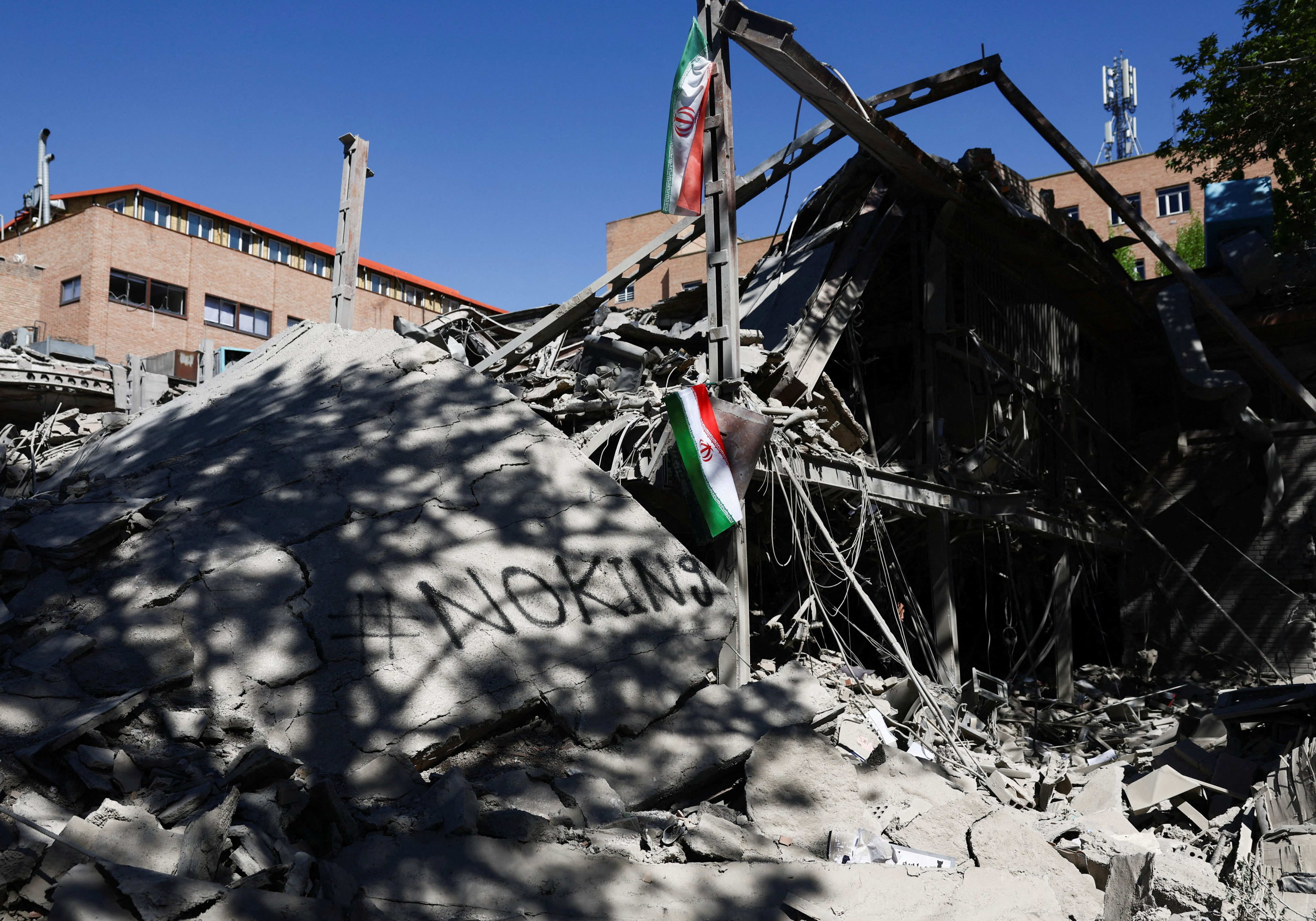
Overview of Iran's Economic Situation
In recent months, Iran's economy has begun to show signs of recovery following the prolonged period of conflict and instability. After facing significant challenges, including international sanctions and internal strife, various sectors are witnessing a rebound in business activities. This positive shift is attributed to multiple factors, including easing restrictions, increased foreign investments, and a revival of consumer confidence.
Factors Contributing to Economic Recovery
The recovery of Iran's economy can be linked to several key factors:
Easing of Sanctions: With changes in geopolitical dynamics, some sanctions have been lifted or become less stringent, allowing for an increase in trade and foreign investment.
Increased Domestic Production: Businesses within Iran are ramping up production to meet both domestic and international demand, particularly in industries such as textiles, food processing, and manufacturing.
Consumer Confidence: A gradual improvement in the economic outlook has led to a surge in consumer spending, bolstering local businesses and contributing to economic growth.
Government Initiatives: The Iranian government has implemented various economic reforms designed to stimulate growth, including investments in infrastructure and support for small and medium-sized enterprises.
Sectoral Growth Trends
Several sectors are particularly benefiting from this economic turnaround:
Manufacturing: The manufacturing sector has seen a notable increase in output, driven by both export opportunities and domestic demand.
Energy: As one of Iran's key economic pillars, the energy sector is experiencing a resurgence with increased oil production and exports, which play a crucial role in funding the national budget.
Agriculture: Favorable weather conditions and improved agricultural practices have led to higher yields, which are essential for food security and export potential.
Technology: The tech industry is also on the rise, with startups and innovation hubs emerging, attracting investment and fostering a culture of entrepreneurship.
Challenges Ahead
Despite the positive signs, Iran's economy still faces several daunting challenges that could hinder sustained growth:
Inflation: High inflation rates continue to affect purchasing power, impacting consumer spending and overall economic stability.
Unemployment: While business activity is increasing, unemployment remains a critical issue, particularly among the youth, which could lead to social unrest if not addressed.
Political Instability: Ongoing political tensions, both domestically and internationally, could threaten the fragile recovery and deter foreign investors.
Dependency on Oil: Iran's heavy reliance on oil exports makes the economy vulnerable to fluctuations in global oil prices, which can impact government revenues and economic stability.
Future Outlook
The future of Iran's economy hinges on the government's ability to implement effective policies that address these challenges while capitalizing on the current momentum. Experts suggest that a focus on diversification away from oil dependency, investment in sustainable practices, and fostering international relations will be crucial for long-term stability.
International observers will be closely monitoring Iran's economic policies and their impact on the broader region, particularly in light of the historical context of sanctions and economic isolation. The current recovery phase could potentially lead to a reintegration of Iran into the global economy if political conditions allow for it.
Conclusion
In summary, Iran's economy is at a pivotal point, with promising signs of recovery emerging as business activity picks up across various sectors. While challenges remain, the potential for growth and reinvigoration of the economy offers a glimmer of hope for the Iranian people. A balanced approach that addresses both economic and political factors will be essential as the country navigates its path forward in a complex global landscape.
Read Also:https://newsedition.in/article/dgft-scraps-physical-challans-eases-eodc-process-for-exporters
Comments (0)
Be the first to comment!