
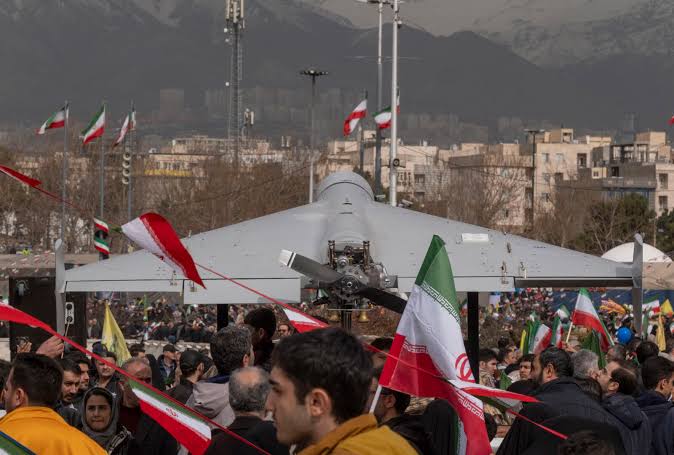
Recent statements from Iranian military leaders suggest a potential escalation in hostilities, raising concerns among international observers regarding the future of regional stability. With ongoing tensions in the Middle East, particularly involving Iran and its adversaries, the remarks made by commanders have sparked discussions about the implications of further military engagement.
Context of Rising Tensions
Iran has been at the center of numerous geopolitical conflicts, particularly concerning its nuclear program and support for various militant groups across the region. The country's military actions and rhetoric have often been viewed through the lens of its complex relationships with neighboring nations and global powers, especially the United States and Israel.
The Iranian government has consistently claimed that its military capabilities are defensive in nature. However, statements from military leaders suggest an aggressive posture that could lead to an increase in hostilities. This has prompted reactions from various countries, with many expressing concern over Iran's intentions.
Recent Military Statements
In a recent address, Iranian commanders hinted at plans that could surprise the international community, claiming that their military readiness has reached a new level. Such declarations indicate a shift towards a more assertive military strategy, which could involve further military exercises or even direct engagements.
The commanders emphasized that their preparations are not only focused on defense but also on demonstrating power and capability. This dual approach of readiness and assertiveness could lead to an escalation in tensions, particularly if other nations perceive these actions as provocations.
Global Reactions and Implications
The international community's response to Iran's military posturing has been largely critical. Analysts suggest that if Iran continues on this path, it could lead to a realignment of alliances in the region, as countries may feel compelled to bolster their own defenses. This situation could further complicate ongoing diplomatic efforts aimed at de-escalating tensions.
Countries in the Gulf region, particularly Saudi Arabia and the UAE, are likely to increase their military preparedness in response to Iran's actions.
The United States may consider enhancing its military presence in the region to deter potential Iranian aggression.
European nations are facing a dilemma as they balance diplomatic engagements with the need to respond to Iran's military developments.
Historical Context of Iran’s Military Strategy
Iran’s military strategy has evolved significantly over the years, shaped by various conflicts and international pressures. The Islamic Revolutionary Guard Corps (IRGC) plays a crucial role in Iran's defense strategy, often engaging in asymmetric warfare through proxy groups in Lebanon, Syria, and Yemen.
Historically, Iran has leveraged its military capabilities to project power beyond its borders, often citing external threats as justification. This approach has led to an intricate web of alliances and enmities, making the region one of the most volatile in the world.
Potential Outcomes and Future Scenarios
The current trajectory of Iran’s military preparations raises several potential outcomes. On one hand, increased military readiness might deter adversaries and lead to a temporary cessation of hostilities. On the other hand, it could also provoke a military response from rival nations, escalating into broader conflict.
In light of these developments, the international community will be closely monitoring Iran’s actions. Diplomatic solutions may still be pursued, but the window for negotiations could be narrowing as tensions rise.
Inference
As Iran’s military commanders prepare for potential escalations, the world watches with bated breath. The implications of their strategies could reshape the geopolitical landscape in the Middle East, making it imperative for global leaders to engage in proactive diplomacy to prevent further conflicts.
Comments (0)
Be the first to comment!