
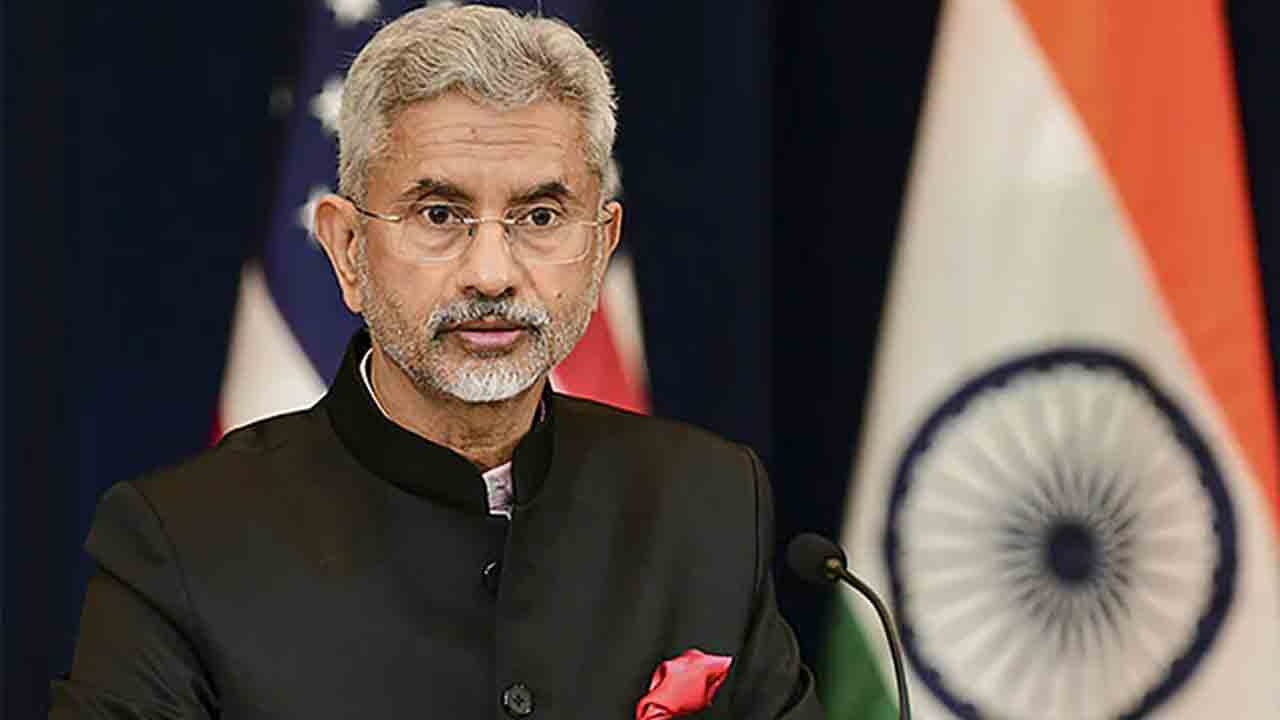
In a recent statement, Indian External Affairs Minister S. Jaishankar addressed the complex dynamics of India-China relations, emphasizing that challenges are inevitable between two large nations sharing a border. His comments come at a time when both countries are navigating a range of geopolitical and territorial issues that have strained their ties.
Context of the Statement
Jaishankar's remarks reflect the ongoing tensions between India and China, particularly in light of recent border clashes and military standoffs in the Himalayan region. The two countries have a long history of disputes, with the most notable being the Sino-Indian War of 1962, which resulted in significant territorial changes and lingering animosities.
The minister's acknowledgment of inherent issues between big countries and their neighbors highlights the complexity of international relations, especially as both nations are emerging as major global players with growing economic and military capabilities.
Current State of India-China Relations
In recent years, India and China have faced increasing friction over various issues, including border disputes, trade imbalances, and regional influence. The Line of Actual Control (LAC), the de facto border between the two countries, has been a flashpoint for military confrontations.
Despite multiple rounds of diplomatic talks aimed at easing tensions, both nations have struggled to reach a consensus on several key issues. The situation is further complicated by China's assertive posture in the Indo-Pacific region and India's growing partnerships with other nations, including the United States, Japan, and Australia, through platforms such as the Quad.
Diplomatic Efforts and Future Prospects
Jaishankar's comments come as part of a broader diplomatic strategy to manage India's relations with its neighbors, particularly China. The Indian government has reiterated its commitment to peaceful dialogue while also preparing for the possibility of protracted tensions. This dual approach reflects a recognition of the need to safeguard national interests while engaging in constructive diplomacy.
The minister's statement serves as a reminder that while cooperation is essential, the historical context of India-China relations cannot be overlooked. The challenges posed by differing political ideologies, economic competition, and territorial disputes will continue to influence the bilateral relationship.
Public and Political Responses
The Indian public and political analysts have responded to Jaishankar's remarks with a mix of concern and pragmatism. Many citizens are aware of the historical context of the relationship and recognize the need for a balanced approach to diplomacy. Political commentators have pointed out that while cooperation in areas like trade and climate change is crucial, any attempts at reconciliation must be grounded in realistic assessments of national security.
As the international landscape continues to evolve, both India and China will need to navigate their differences carefully. The potential for economic collaboration exists, but it is often overshadowed by security concerns and historical grievances.
Inference
In conclusion, S. Jaishankar's insights into the challenges facing India-China relations underscore the complexities of managing ties between two major powers. As both nations strive to assert their positions on the global stage, the path forward will likely be marked by both competition and cooperation. Effective diplomacy will be critical in addressing the myriad issues that arise between these neighboring giants.
Comments (0)
Be the first to comment!