
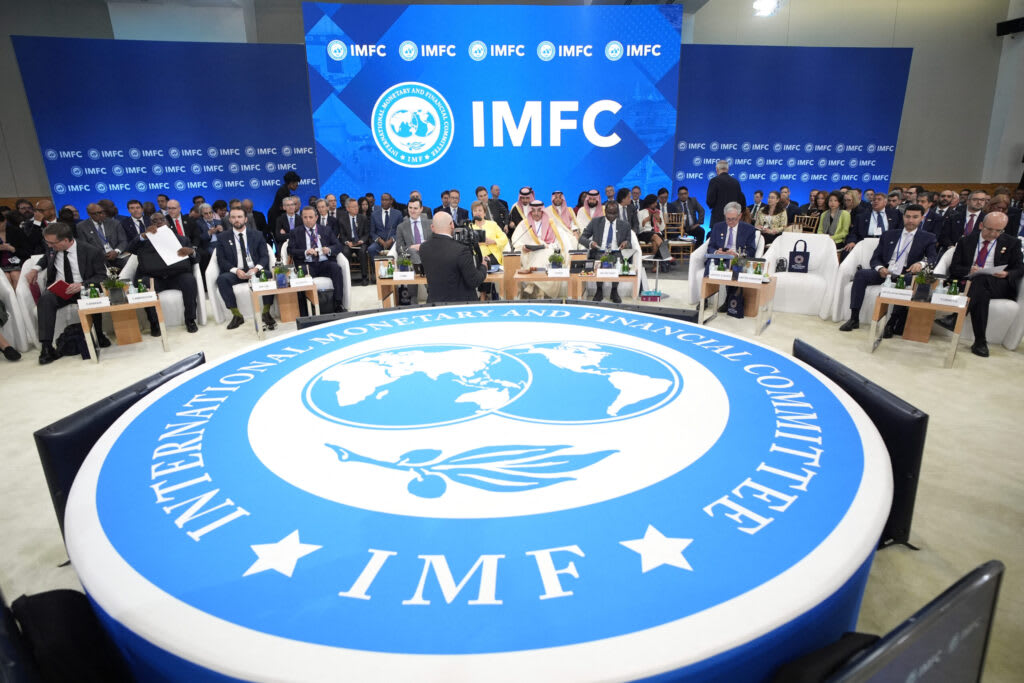
The annual meetings of the International Monetary Fund (IMF) and the World Bank, held in Marrakech, Morocco, brought together global leaders and policymakers to address pressing economic challenges. As the world grapples with inflation, geopolitical tensions, and climate change, the discussions yielded several significant takeaways that could shape international economic policy.
1. Focus on Global Economic Stability
A primary theme that emerged from the meetings was the urgent need for global economic stability. Leaders emphasized that ongoing inflation and the risk of recession in various parts of the world necessitate coordinated efforts to foster economic resilience. The IMF projected a modest recovery in global growth; however, officials warned that risks remain, particularly regarding supply chain disruptions and energy prices.
2. Climate Finance and Sustainable Development
Another critical topic was the commitment to climate finance. The discussions highlighted the necessity for developed nations to deliver on their pledges to support developing countries in their climate change mitigation efforts. With the upcoming COP28 climate conference on the horizon, the urgency for financing sustainable projects became a central point. The need for innovative financial instruments to fund green initiatives was also underscored, as countries aim to transition to cleaner energy sources.
3. Strengthening Multilateralism
Leaders at the IMF-World Bank meetings reiterated the importance of multilateral cooperation in addressing global challenges. The rise of protectionist policies and unilateral actions by some countries has raised concerns about the future of global trade. The call for stronger multilateral partnerships was seen as essential for tackling issues such as food security, health crises, and economic inequalities. Collaborative efforts among nations were deemed vital for fostering sustainable growth and development.
Implications for Developing Countries
The outcomes of the meetings hold particular significance for developing nations. With many struggling to recover from the economic impacts of the COVID-19 pandemic, there is a pressing need for financial support and capacity building. The discussions around climate finance are particularly relevant as these countries often bear the brunt of climate change impacts while having limited resources to adapt.
Looking Ahead: The Road to COP28
As the world prepares for the COP28 climate conference, the commitments made during the IMF-World Bank meetings will be crucial. The emphasis on financing and sustainable development is expected to influence negotiations and outcomes at the conference. Countries will need to demonstrate their commitment to climate action and work collectively to tackle the climate crisis.
Inference
The IMF and World Bank meetings have set the stage for ongoing discussions about global economic stability, climate finance, and multilateral cooperation. As nations navigate the complexities of the current economic landscape, the insights gained from these meetings will be instrumental in shaping future policies and initiatives. The emphasis on collaboration and support for developing countries is a step towards building a more equitable global economy.
Comments (0)
Be the first to comment!