
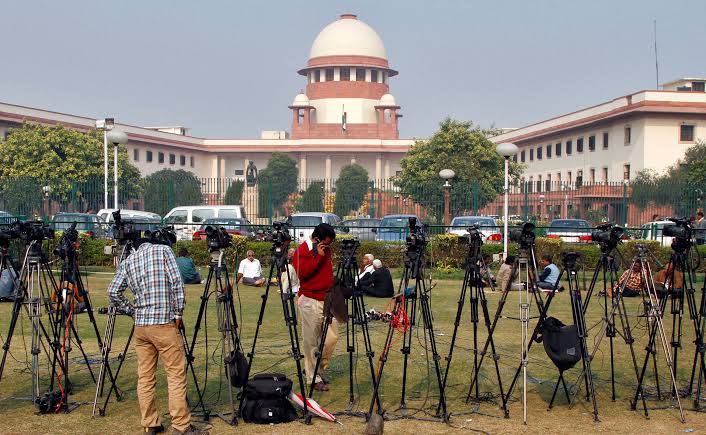
In a significant legal challenge, various media organizations in India have voiced their opposition to a new privacy law introduced under Prime Minister Narendra Modi's administration. They argue that the implications of this legislation could jeopardize press freedom and potentially lead to the closure of newsrooms across the country.
Background on the Privacy Law
The privacy law, which aims to regulate data privacy and ensure protection of personal information, has sparked widespread debate since its proposal. Proponents of the law argue that it is essential for safeguarding individuals' data in an increasingly digital world. However, critics, including prominent media outlets, contend that the provisions within the law may impose undue restrictions on journalistic practices.
Concerns Raised by Media Groups
During a recent court hearing, representatives from various media associations expressed their fears that the law could lead to severe repercussions for journalists and news organizations. They highlighted specific elements of the law that may hinder their ability to report freely and effectively. Some of the main concerns include:
- Data Collection Regulations: The law mandates strict guidelines on how personal data can be collected, stored, and used. Media organizations worry that this could limit their access to crucial information needed for reporting.
- Penalties for Non-Compliance: The potential for hefty fines and legal action against media outlets that unintentionally violate the law could create a chilling effect, discouraging investigative journalism.
- Ambiguity in Terms: Critics point to vague legal language within the law that could be interpreted broadly, leaving room for arbitrary enforcement against media entities.
These concerns echo long-standing apprehensions regarding the balance between individual privacy rights and the freedom of the press in democratic societies.
The Implications for Journalism
The implications of the privacy law could be profound, especially for smaller news organizations that may lack the resources to navigate the complexities of compliance. There is a growing fear that the law could lead to a homogenization of news coverage, with only larger, well-funded outlets able to sustain the legal and financial burdens imposed by this legislation.
Furthermore, advocates for press freedom argue that the law could deter whistleblowers and sources from coming forward, thus stifering investigative reporting that is essential for holding power accountable.
Reactions from Legal Experts
Legal experts have weighed in on the situation, suggesting that a careful reevaluation of the law is necessary. Some argue that while data privacy is critical, it must not come at the expense of freedom of expression and the public's right to information.
Negotiations and discussions between the government and media stakeholders may be necessary to strike a balance between privacy and press freedom. As the legal challenge unfolds, it will be crucial to monitor how it impacts the media landscape in India.
Future Outlook
The ongoing court proceedings and the resulting public discourse will likely shape the future of media regulation in India. As advocates for press freedom continue to mobilize against the privacy law, the potential for amendments or reforms could provide a path forward that respects both individual privacy rights and the essential role of a free press in democracy.
The outcome of this legal battle may set a precedent for similar legislation in the future, not just in India but in other democracies grappling with the challenges of privacy in the digital age.
Comments (0)
Be the first to comment!