
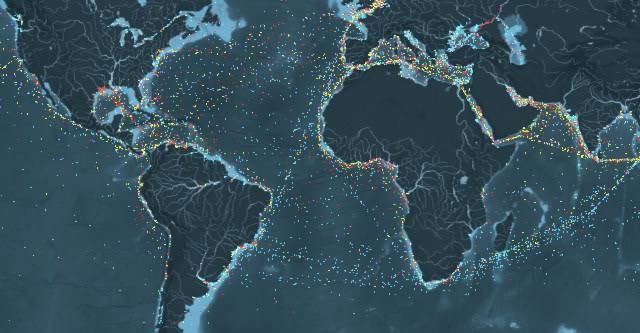
The maritime landscape is constantly evolving, and recent developments have identified a new shipping lane that has surpassed the previously notorious Strait of Hormuz in terms of danger. This shift highlights growing concerns over maritime security and the geopolitical implications of shipping routes.
The Rising Threat
Recent maritime reports indicate that the shipping lane in question has seen a dramatic increase in incidents involving piracy, armed attacks, and hijacking. These activities not only threaten the safety of vessels but also disrupt global trade, particularly in regions heavily reliant on maritime transport.
Experts suggest that this increase in danger is linked to a combination of factors, including political instability in nearby countries, the rise of organized crime syndicates, and inadequate enforcement of maritime laws. As these threats escalate, shipping companies must reassess their routes and implement stricter security measures.
Comparison with Hormuz
The Strait of Hormuz, once considered the most perilous shipping lane due to its strategic importance for oil transport, has long been a focal point for geopolitical tensions. However, the new lane’s reputation has begun to eclipse that of Hormuz, as incidents in the latter have been relatively stable compared to the growing threats elsewhere.
While Hormuz sees its own share of conflicts, the latest reports suggest that the new lane is becoming increasingly unpredictable, causing alarm among international shipping firms and governments. This trend necessitates a reevaluation of maritime security strategies globally.
Impact on Global Trade
The dangers associated with this new shipping lane could have significant repercussions for global trade. As shipping companies face increased risks, they may raise shipping costs to offset potential losses from piracy or other threats. This could lead to higher prices for consumers, as the cost of goods rises along the supply chain.
Furthermore, disruptions in shipping schedules could lead to delays in the delivery of essential goods, impacting various industries, including food, electronics, and pharmaceuticals. A ripple effect could ensue, affecting economies worldwide.
Strategies for Mitigation
In light of these developments, shipping companies are exploring various strategies to mitigate risks. Enhanced security protocols, including the use of armed escorts for vulnerable vessels and technological innovations such as real-time tracking systems, are being considered. Additionally, international cooperation among navies and coast guards is crucial to ensure the safety of maritime routes.
Governments may also need to engage in diplomatic efforts to stabilize regions contributing to maritime insecurity. Building stronger alliances and addressing root causes of piracy and violence can help create a safer environment for shipping.
Comments (0)
Be the first to comment!