
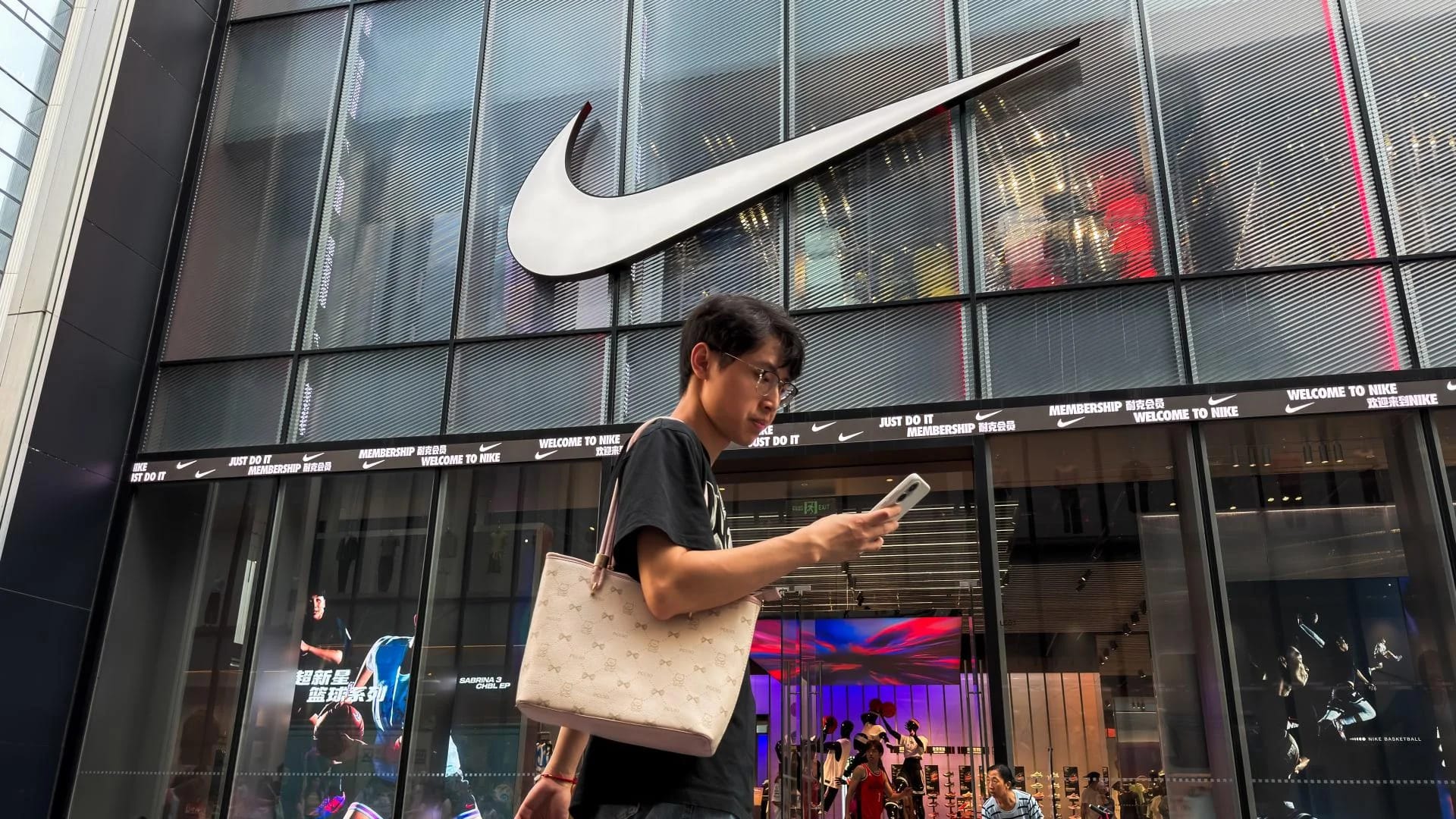
Nike, the world's premier sportswear brand, has experienced a staggering decline in market value, losing approximately $230 billion. This dramatic downturn has raised questions about the brand's future and its standing in the highly competitive sports apparel market.
Overview of the Decline
In recent months, Nike's share prices have fallen sharply, leading to a significant reduction in its market capitalization. Analysts attribute this drop to a combination of factors, including supply chain disruptions, changing consumer preferences, and increased competition in the sportswear sector.
Supply Chain Challenges
Like many global companies, Nike has faced substantial supply chain issues exacerbated by the COVID-19 pandemic. Factory closures and delays in shipping have hindered the company's ability to meet consumer demand. Retailers have reported shortages of popular products, which in turn has affected sales and profitability.
Shifting Consumer Preferences
The sports apparel market is evolving, with consumers increasingly favoring sustainability and ethical production practices. Nike has been criticized for its environmental impact and labor practices, leading some consumers to turn to more sustainable brands. This shift in consumer sentiment has prompted a reevaluation of Nike's business strategies.
Increased Competition
The sportswear industry is highly competitive, with brands like Adidas, Under Armour, and emerging players gaining traction. These competitors have capitalized on Nike's vulnerabilities, introducing innovative products and marketing strategies that resonate with today’s consumers. As a result, Nike's market share has been challenged.
Financial Implications
The loss of $230 billion in market value raises concerns about Nike's financial health. Investors are closely monitoring the company's quarterly earnings and strategic initiatives to regain market confidence. Analysts suggest that the brand must adapt to the changing landscape by enhancing its digital presence and focusing on sustainability to attract a broader customer base.
Future Outlook
Despite the current setbacks, Nike remains a formidable player in the sports apparel industry. The company has a strong brand identity and a loyal customer base. Moving forward, Nike's ability to innovate and respond to market demands will be crucial. The introduction of eco-friendly products and leveraging technology for personalized shopping experiences may help the brand recover its lost market value.
In conclusion, while Nike has faced significant challenges that have led to a historic loss in market value, its response to these issues will play a vital role in determining its future success.
Comments (0)
Be the first to comment!