
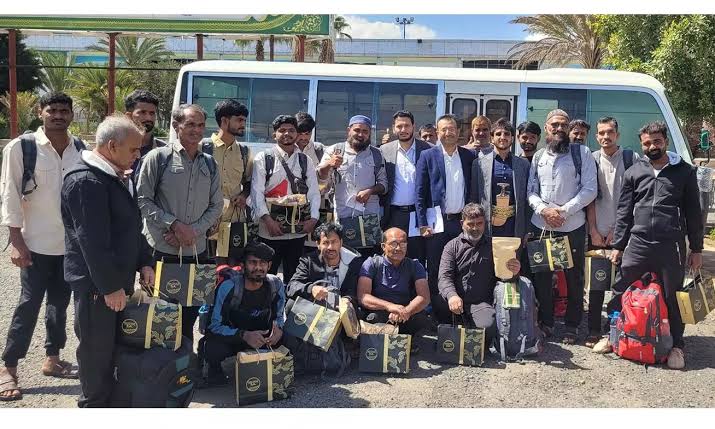
In a significant diplomatic effort, 19 Indian seafarers who were stranded in Yemen have been successfully evacuated, as confirmed by the Indian Embassy in Yemen. The evacuation of these individuals underscores the ongoing challenges faced by Indian nationals working abroad in conflict zones.
Circumstances of the Stranding
The seafarers were reportedly stranded due to the escalating conflict in Yemen, which has been embroiled in civil war since 2014. The situation has made it increasingly difficult for foreign nationals, especially those working on commercial vessels, to secure safe passage or communication with their home countries.
These Indian nationals were working for a shipping company at the port in Hodeidah, a city that has seen significant fighting between rival factions. As clashes intensified, their safety and well-being became a concern, prompting the Indian government to take action.
Evacuation Process
The Indian Embassy coordinated with local authorities and international organizations to facilitate the safe evacuation of the seafarers. The process involved careful planning to ensure that the individuals could leave safely amid the ongoing conflict.
Reports suggest that negotiations were necessary to secure safe passage for the seafarers, who had been unable to leave Yemen due to the dangerous security situation. The embassy's prompt response highlights the importance of consular support in crisis situations.
Government's Response
The Indian government has been proactive in addressing the safety of its citizens abroad, particularly in areas affected by turmoil. This incident reflects a broader commitment to ensuring that Indian nationals are protected and can return home safely when caught in precarious situations.
In recent years, similar evacuations have taken place in conflict zones around the world, demonstrating the Indian government's readiness to act swiftly in the face of emergencies. Previous operations, such as those in Libya and Iraq, have also drawn attention to the risks faced by Indian expatriates.
Impact on Seafarers
The evacuation of these seafarers is a relief for their families, who were undoubtedly anxious about their loved ones' safety. Seafarers often face unique challenges, working in environments that can be unpredictable and dangerous, particularly in regions experiencing conflict.
This incident raises awareness about the risks faced by maritime workers and the need for robust support systems for them, especially in high-risk areas. The Indian government has been urged to establish more comprehensive safety measures and protocols for seafarers operating in volatile regions.
Future Considerations
While the evacuation of these 19 individuals is a positive outcome, it also raises questions about the long-term implications for Indian seafarers in Yemen and similar regions. The ongoing conflict in Yemen shows no signs of abating, and the international community continues to monitor the situation closely.
As global shipping routes are affected by geopolitical tensions, it is essential for governments to work collaboratively to ensure the safety of maritime workers. This incident serves as a reminder of the importance of international cooperation in addressing humanitarian issues arising from conflict.
Comments (0)
Be the first to comment!