
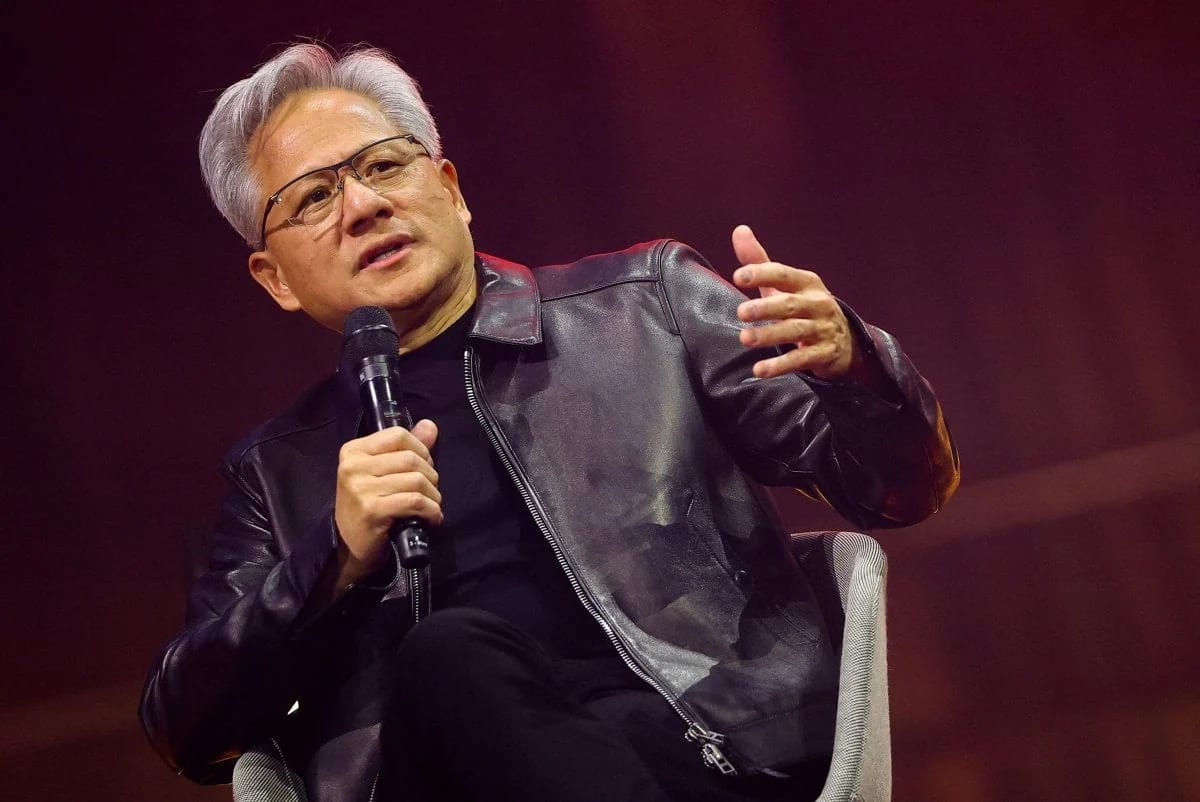
Nvidia's Strategic Shift
Nvidia, a leading player in the semiconductor industry, is reportedly reaching out to Arm CEO Rene Haas. This development comes amidst a growing sentiment among Nvidia employees advocating for the return of co-founder and CEO Jensen Huang, who has been pivotal in steering the company's direction.
The Context Behind the Moves
The semiconductor sector has been undergoing significant transformations, driven by increasing global demand for chips. Nvidia, known for its graphics processing units (GPUs) and AI technologies, has faced competitive pressures from other tech giants. In this scenario, the involvement of Arm, a key player in mobile and IoT chip design, could be strategic for Nvidia's future.
Recent employee sentiments suggest a desire for stronger leadership presence during these times of uncertainty. Jensen Huang, who co-founded Nvidia in 1993, is credited with leading the company through several pivotal advancements, particularly in AI and machine learning. His absence has raised questions regarding Nvidia's strategic direction and operational effectiveness.
The Role of Arm in the Semiconductor Landscape
Arm Holdings, known for its energy-efficient chip designs, has been a significant contributor to the global semiconductor ecosystem. The company's technology is embedded in a vast array of devices, from smartphones to automotive systems. Nvidia's interest in Arm underlines the potential synergies that could arise from a closer collaboration, especially given Arm's expertise in mobile and embedded systems.
Under Rene Haas's leadership, Arm has been focusing on expanding its capabilities in areas like artificial intelligence and machine learning, making it an attractive partner for Nvidia, which is keen to leverage these technologies further. With the semiconductor market evolving, collaboration between these two entities could offer strategic advantages, particularly in developing next-generation technologies.
Employee Sentiment and Leadership Dynamics
The call for Huang's return by Nvidia employees highlights a broader concern regarding leadership stability amid rapid industry changes. Employees may view Huang's unique vision and experience as essential to navigating the challenges posed by competitors and market dynamics.
Leadership transitions can often create uncertainty within organizations. In Nvidia's case, the push from employees may indicate a need for a unifying figure who can inspire confidence and drive innovation. Huang's previous successes in leading the company through transformative phases could be viewed as critical during this juncture.
Implications for Nvidia and the Industry
The implications of Nvidia's approach to Arm and the employee sentiment regarding Huang’s leadership are multifaceted. If Nvidia successfully fosters a partnership with Arm, it could enhance its product offerings and market positioning. Additionally, re-establishing Huang in a more prominent role could reassure stakeholders about the company's strategic vision.
As the semiconductor industry grapples with ongoing challenges, such as supply chain disruptions and heightened competition, the ability of companies like Nvidia to adapt and innovate becomes increasingly vital. The collaboration with Arm could be a strategic move to stay ahead in a rapidly evolving landscape.
Comments (0)
Be the first to comment!