
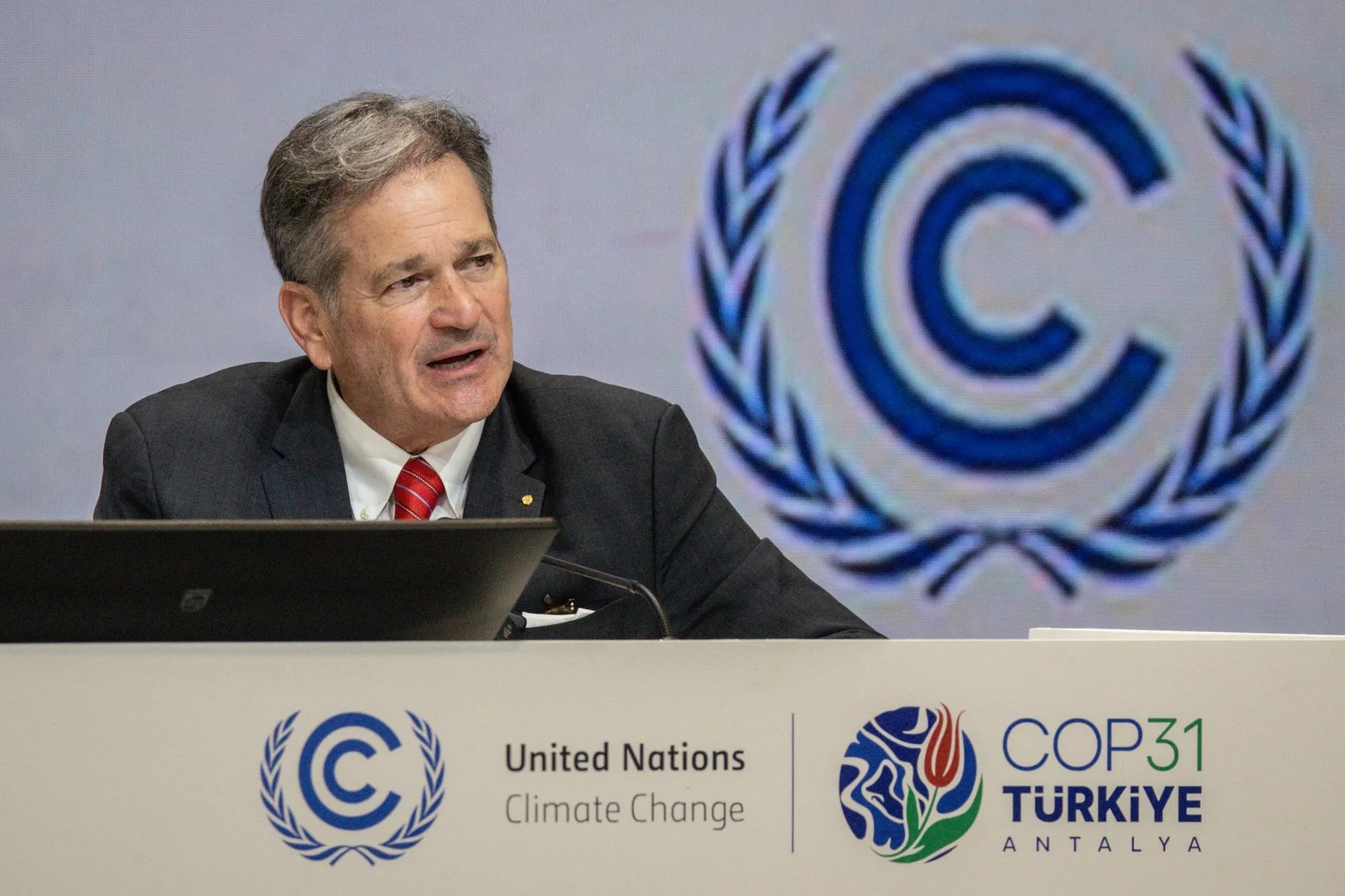
At the ongoing COP31 climate summit, a prominent statement from Panama's Minister for the Environment has stirred significant discourse regarding the global oil industry. The Minister claimed that the world is being 'held hostage by the oil mafia', emphasizing the urgent need for a transition to sustainable energy sources.
Context of the Statement
The COP31 summit, which gathers world leaders to discuss climate action and strategies to combat climate change, has seen varied opinions on the role of fossil fuels in the global economy. The Panama Minister's remarks come against a backdrop of increasing concern about the influence of oil companies on global policies, particularly in light of the climate crisis.
The Oil Industry's Influence
The assertion that the world is under the control of an 'oil mafia' reflects a growing sentiment among some politicians and activists that fossil fuel interests have disproportionately influenced governmental and international policies. Critics argue that this influence hampers progress towards cleaner energy alternatives and exacerbates climate change.
This year's COP31 has highlighted how entrenched fossil fuel interests are in the economic fabric of many countries. The Minister's comments underscore the need for more robust regulatory frameworks to curb the power of these entities, which often prioritize profits over environmental sustainability.
Calls for Sustainable Practices
In his address, the Minister urged fellow nations to take decisive action against the oil sector's dominance. He called for a collective effort to shift towards renewable energy sources, such as solar and wind power, which are essential in the fight against climate change. He suggested that governments must support innovation in green technologies and create incentives for industries to adopt sustainable practices.
Furthermore, he emphasized the importance of international collaboration in achieving these goals. The Minister's remarks resonate with calls from various environmental organizations advocating for a global commitment to reducing carbon emissions and transitioning to a low-carbon economy.
Reactions from Global Leaders
Responses to the Panama Minister's comments have varied. Some leaders have expressed agreement with the need to address the power of fossil fuel companies, while others have defended the oil industry as a necessary component of their respective economies. This divergence illustrates the complex balancing act that many nations face between economic growth and environmental responsibility.
As discussions at COP31 continue, the impact of fossil fuels on climate policy will remain a contentious issue. Many participants are looking for actionable commitments from countries to reduce reliance on oil and gas, furthering the goals set out in previous climate agreements.
The Future of Energy Policy
The Panama Minister's remarks serve as a reminder of the critical juncture at which the world finds itself. With climate change posing an existential threat, the need for a sustainable energy transition has never been more pressing. As nations grapple with energy security and economic stability, the path forward will require innovative solutions and a reevaluation of the current energy landscape.
Comments (0)
Be the first to comment!