
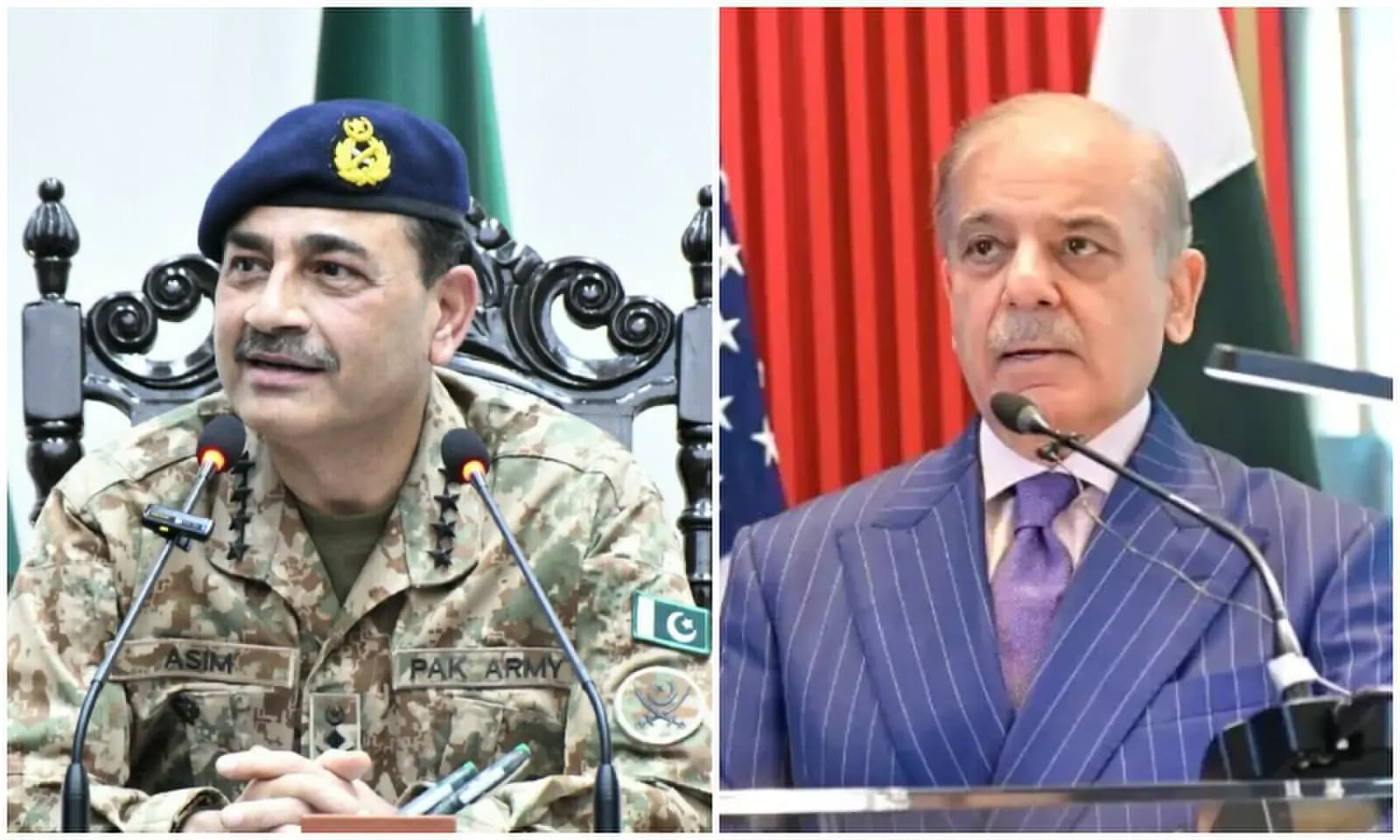
In a significant acknowledgment of their impact, Pakistan's Prime Minister Shehbaz Sharif and Chief of Defence Forces (CDF) General Syed Asim Munir have been jointly recognized as the most influential Muslims in the world. This recognition comes from a prestigious annual list that highlights the contributions of Muslim leaders across various sectors globally.
Overview of the List
The list, compiled by a well-respected organization that evaluates the influence of Muslim figures worldwide, features individuals from diverse backgrounds, including politics, business, science, and humanitarian efforts. The inclusion of both PM Shehbaz and CDF Munir at the top of this list underscores their significant roles in shaping the political and military landscape in Pakistan, as well as their influence on the global stage.
Significance of the Recognition
This recognition is particularly noteworthy given the challenging geopolitical climate in South Asia and the broader Muslim world. Leaders like PM Shehbaz have been tasked with navigating complex diplomatic relations, economic challenges, and domestic issues. The acknowledgment of their influence suggests that their efforts are being recognized not just locally, but also internationally.
PM Shehbaz Sharif, who assumed office in April 2022, has emphasized the importance of fostering peace and cooperation in the region. His leadership style has been characterized by attempts to strengthen Pakistan's ties with neighboring countries and the international community. In recent months, he has focused on addressing issues such as economic recovery and climate change, which are pivotal for Pakistan’s future.
On the other hand, General Syed Asim Munir, who took over as CDF in November 2022, has played a crucial role in shaping Pakistan's defense policies and military strategy. His leadership is seen as vital in maintaining stability within the country and addressing security concerns in the region, particularly in relation to terrorism and cross-border tensions.
Reactions to the Recognition
The recognition of PM Shehbaz and CDF Munir has elicited mixed reactions within Pakistan and beyond. Supporters highlight this as an indication of the positive trajectory of Pakistan’s governance and military leadership. They argue that such recognition can enhance Pakistan’s international standing and promote a narrative of a progressive and influential Muslim-majority nation.
Critics, however, caution against overemphasizing this recognition, suggesting that real change and influence should be measured by tangible improvements in the lives of citizens. They argue that while leadership figures may gain international accolades, challenges such as poverty, education, and health care remain pressing issues that need to be addressed.
Global Context of Muslim Influence
The annual list of the world's most influential Muslims serves as a platform to showcase leaders who are making significant contributions to society. This year's list includes a diverse range of individuals, from political leaders to philanthropists, reflecting the multifaceted nature of influence within the Muslim community.
In an increasingly interconnected world, the role of influential Muslim leaders extends beyond their national boundaries. Their actions resonate within the global Muslim community, impacting perceptions and fostering dialogues on key issues such as human rights, social justice, and environmental sustainability.
Comments (0)
Be the first to comment!